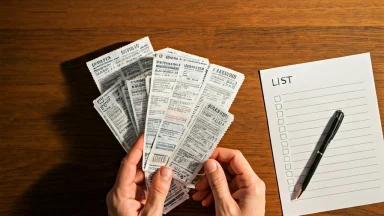
In a world where every dollar counts, finding simple ways to stretch your household budget is more important than ever. While traditional methods like clipping coupons have their place, modern technology offers a more seamless and often more rewarding solution: cashback apps. These powerful tools, right on your smartphone, promise to give you real money back on purchases you’re already making, from weekly groceries to online shopping sprees. It sounds almost too good to be true, but millions of savvy shoppers are already turning their everyday spending into a source of passive savings.
But with so many apps vying for your attention, how do you know which ones are genuinely worth your time? The concept is simple: apps partner with retailers and earn a commission for sending shoppers their way, then share a piece of that commission with you. However, the execution varies wildly. Some apps are perfect for passive online shoppers, while others are designed for meticulous grocery planners. Understanding these differences is the key to unlocking significant savings without adding another complicated chore to your busy life.
This comprehensive review cuts through the marketing hype to give you an honest look at the top cashback apps available today. We’ll take a deep dive into the features, pros, and cons of powerhouse platforms like Rakuten, Ibotta, and Fetch Rewards. We’ll show you exactly how each one works, who it’s best for, and provide expert strategies for “stacking” deals to maximize your earnings. By the end of this guide, you’ll have the clarity you need to choose the right app for your family and start earning money back on every purchase.
Understanding Cashback Apps: What They Are & How They Work
If you’re looking for a simple way to stretch your family’s budget, cashback apps are a fantastic tool to have in your arsenal. In essence, these are applications on your smartphone that give you a small percentage of your money back when you shop. Think of it as a digital rebate that you can earn on everyday purchases, from groceries and clothing to online subscriptions and travel bookings.
These apps partner with thousands of retailers, both online and in-store, to reward you for your loyalty. By integrating these tools into your regular shopping routine, you can accumulate savings over time without drastically changing your habits. This makes them a powerful component of any smart spending strategy and a perfect complement to other saving methods like using digital coupons.
How Cashback Apps Generate Savings for You
You might be wondering where this “free money” comes from, and the answer is quite simple: it’s all based on partnerships. When you click through a cashback app to make a purchase at a partner store, that store pays the app a commission for directing you to them. The cashback app then shares a portion of that commission with you as a thank-you for using their service.
This creates a win-win-win situation. The retailer makes a sale, the app earns a commission, and you get money back on a purchase you were already planning to make. It’s a seamless process that turns your everyday spending into a source of passive savings, which can be a game-changer for anyone following our Budgeting Tips for Families.
The Different Types of Cashback Programs
Not all cashback apps operate in the same way, and understanding the differences can help you choose the best one for your needs. Most programs fall into a few common categories, each offering a unique way to save.
- Percentage-Based Cashback: This is the most common type, where you earn back a certain percentage of your total purchase amount. For example, you might get 3% cashback on your entire order from a specific online store.
- Offer-Based Cashback: With these programs, you have to “activate” an offer within the app before you shop. This is common for groceries, where you might get a specific amount back, like $0.50, for buying a particular brand of milk or bread. This pairs exceptionally well with Meal Planning to Save Money on Groceries.
- Link Your Card: Some apps require you to link your credit or debit card. They then automatically track your purchases at participating stores and credit your account with cashback without you needing to do anything extra.
- Browser Extensions: Many cashback services also offer browser extensions for your computer. These extensions automatically alert you if a site you’re visiting offers cashback, ensuring you never miss an opportunity to save while shopping online.
Our Honest Review Process: What Matters Most to Families
When choosing a cashback app, it’s easy to get distracted by high percentages and flashy promises. We cut through the noise by focusing on what makes a real difference to your household’s bottom line. Our review process is built around the practical needs of busy families, ensuring our recommendations are both reliable and genuinely useful for your daily life. These core principles are central to our overall Budgeting Tips for Families.
First, we evaluate the user experience. An app should make saving money simpler, not more complicated. We look for intuitive navigation, a straightforward process for uploading receipts or activating online offers, and minimal glitches. If you have to spend ten minutes figuring out how to save a dollar, the app isn’t respecting your valuable time.
Next, we scrutinize payout reliability, because what good is cashback if you can’t actually get it? We test how long it takes for earnings to be approved and what the minimum withdrawal amount is. An app earns high marks from us when it offers flexible and timely payment options, like direct deposit or popular gift cards, without unnecessary delays or high payout thresholds.
Finally, a wide and relevant store selection is non-negotiable. The best apps partner with the places you already shop, from major grocery chains to popular online retailers for household goods. This is especially important for maximizing savings on your regular expenses, which is a key part of effective Meal Planning to Save Money on Groceries. An app with limited or obscure partners simply won’t provide consistent value for the average family.
| App | Best For | How It Works | Effort Level |
|---|---|---|---|
| Rakuten | Online Shopping | Click through the app/site or use a browser extension before shopping online to earn a percentage back. | Low |
| Ibotta | Groceries & In-Store | Add item-specific offers in the app before you shop, then scan your receipt to get cash back. | Medium |
| Fetch Rewards | Simplicity & All Receipts | Scan any receipt from any store to earn points. Earn bonus points for purchasing from partner brands. | Very Low |
The Top Cashback Apps for Savvy Savers: A Deep Dive
Choosing the right cashback app depends heavily on your shopping habits and how much effort you’re willing to put in. Some apps are designed for passive earnings on online purchases, while others reward you for detailed grocery planning. We’ll break down the most popular options to help you decide which platforms are the best fit for your family’s wallet.
Rakuten (Formerly Ebates): The Online Shopping Powerhouse
Rakuten has become a dominant force in the cashback world, primarily by focusing on online retail. It partners with thousands of stores, offering you a percentage of your purchase total back when you shop through its platform. It’s a straightforward approach that has earned it a loyal following among digital shoppers.
Key Features & How It Works
The magic of Rakuten lies in its simplicity. You can start your shopping trip on the Rakuten website or app, find your desired store, and click the link to shop as you normally would. Alternatively, and perhaps more conveniently, you can install the Rakuten browser extension. This extension automatically alerts you if a site you’re visiting offers cashback, allowing you to activate it with a single click.
Once you make a purchase, the partner store pays Rakuten a commission for sending you their way. Rakuten then shares a portion of that commission with you in the form of cashback. Your earnings accumulate in your account and are paid out quarterly, either through a check or a PayPal deposit.
Pros & Cons for Shoppers
The biggest pro is the sheer size of Rakuten’s network; you can earn cashback at major department stores, travel sites, and niche retailers. The browser extension makes earning nearly effortless, as it reminds you to activate offers. However, the main con is the payout schedule. You have to wait for your “Big Fat Check,” as they call it, which only comes four times a year, so it’s not ideal for those who want immediate access to their funds.
Best For: Who Should Use It?
Rakuten is perfect for anyone who does a significant amount of their non-grocery shopping online. If you frequently buy clothing, electronics, or book travel on the web, this app is a must-have. It’s a “set it and forget it” tool that rewards you for purchases you were already going to make, making it one of the easiest Budgeting Tips for Families to implement.
Ibotta: Your Go-To for Grocery Savings
While Rakuten rules the online world, Ibotta dominates the grocery aisle. This app focuses on item-specific rebates at supermarkets, big-box stores, and pharmacies. It requires a more hands-on approach but can deliver substantial savings on your weekly food bill.
Key Features & How It Works
Before you go shopping, you browse the Ibotta app for offers at your preferred store and add them to your list. These offers can range from 25 cents back on any brand of milk to several dollars back on a specific brand of cereal or cleaning product. After your shopping trip, you simply scan your receipt and the app matches the offers you added with the items you purchased, depositing the cash into your Ibotta account.
Many major retailers also allow you to link your store loyalty card, which automates the receipt-scanning process for even greater convenience. Ibotta also features frequent bonuses for redeeming multiple offers, which can significantly boost your earnings. It turns saving money into a bit of a game.
Pros & Cons for Grocery Runs
The primary advantage of Ibotta is its high earning potential on groceries and everyday essentials. The offers are often on products families buy regularly, and bonuses add up quickly. The main downside is that it requires pre-planning; you must add the offers *before* you shop. Forgetting this step means you miss out on the savings for that trip.
Best For: Maximizing Food Budget
Ibotta is ideal for the organized shopper who plans their grocery list ahead of time. If you already practice Meal Planning to Save Money on Groceries, incorporating Ibotta into your routine is a natural next step. The few minutes it takes to add offers before heading to the store can translate into significant annual savings.
Fetch Rewards: Scan Receipts, Earn Rewards
If the planning required for Ibotta sounds like too much work, Fetch Rewards might be your perfect match. This app’s philosophy is radical simplicity: scan any and every receipt to earn points. There’s no need to clip coupons or add offers beforehand.
Key Features & How It Works
With Fetch, you just snap a photo of your receipt from any store—grocery, gas station, restaurant, or retailer. You instantly earn a minimum number of points for every valid receipt. The real earning power comes from purchasing products from their hundreds of partner brands, which awards you a substantial number of bonus points.
These points accumulate in your account and can be redeemed for a wide variety of gift cards from retailers like Amazon, Target, and Starbucks. The process is incredibly fast and straightforward, making it one of the lowest-effort ways to get something back from your spending.
Pros & Cons for Everyday Receipts
The number one pro is ease of use; it takes seconds to scan a receipt and earn points. It rewards you for all of your shopping, not just specific types. The con is that the base earnings per receipt are quite low. To earn rewards quickly, you need to be purchasing items from their partner brands, otherwise, it can be a slow grind to a payout.
Best For: Passive Earnings
Fetch is for everyone, especially those who find other apps too complicated or time-consuming. It’s the perfect entry-level cashback app and works wonderfully when stacked with other apps like Ibotta. You can scan the same receipt in both apps to maximize your return, a key strategy when learning How to Use Digital Coupons Effectively across different platforms.
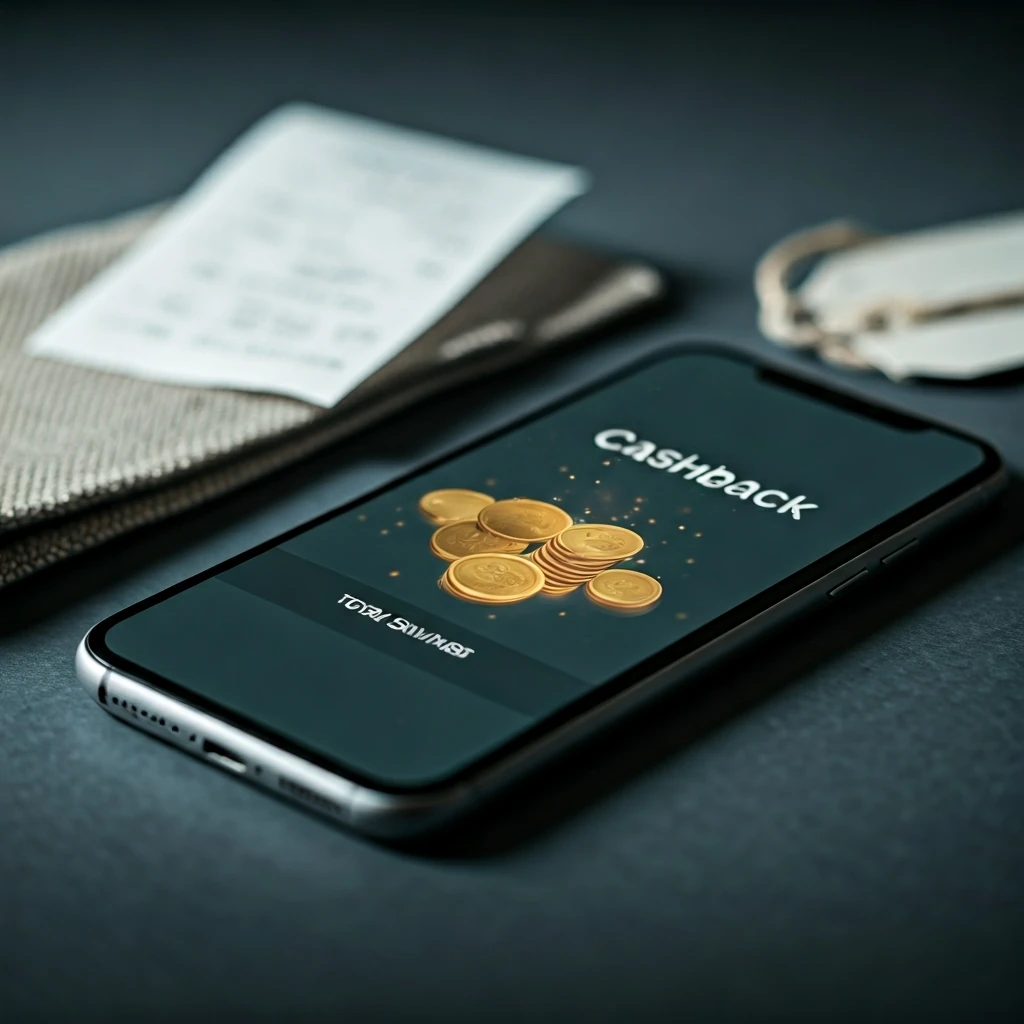
Smart Strategies to Maximize Your Cashback Earnings
Simply downloading a cashback app is the first step, but the real savings begin when you learn how to use it strategically. With a few smart tactics, you can transform small rebates into a significant boost for your family’s budget. These methods are simple to learn and can be applied to nearly any cashback platform you choose to use.
Combining Cashback with Coupons and Sales
The most powerful way to increase your savings is through a technique called stacking. This involves layering multiple discounts on a single purchase. Instead of just getting cashback, you combine it with store sales, manufacturer coupons, and other promotions for maximum financial impact.
For example, imagine a box of cereal is on sale at your local grocery store. You can use a digital coupon for an additional discount at the register. Afterward, you scan your receipt into a cashback app to get a rebate on that same box, effectively tripling your savings on one item. Learning How to Use Digital Coupons Effectively is a key skill that pairs perfectly with this strategy.
This approach requires a little planning before your shopping trip, but the payoff is well worth the effort. By checking store flyers and your apps before you leave home, you can identify these stacking opportunities and significantly lower your grocery bill. It turns a routine shopping trip into a rewarding treasure hunt.
Linking Credit Cards for Passive Savings
For those who prefer a more hands-off approach, many apps offer cashback when you link your credit or debit card. This “set it and forget it” method is ideal for earning rewards without the hassle of scanning receipts or activating specific offers. Once your card is linked, you automatically earn cashback when you shop at participating stores and restaurants.
This creates a stream of passive savings that builds up in the background. It is especially useful for purchases you make frequently, like grabbing a coffee or filling up your gas tank. The cashback is automatically tracked and deposited into your app account, requiring no extra work from you.
The key is to link a card you already use for everyday spending and, most importantly, one that you pay off in full each month. The goal is to earn rewards without accumulating debt, as interest charges can quickly erase any cashback you’ve earned. This simple habit ensures your savings strategy remains profitable.
Avoiding Common Pitfalls & Impulse Overspending
One of the biggest traps of using cashback apps is the temptation to buy things you don’t need just to earn a reward. A $1 rebate on a $10 product you weren’t planning to buy isn’t a dollar saved; it’s a $9 expense you didn’t need. Cashback should be treated as a discount on planned purchases, not a reason to spend more.
To avoid this, always start with a shopping list based on your needs and stick to it. This aligns with good Budgeting Tips for Families and helps you stay focused. After you’ve made your list, check your apps for offers on those specific items. This simple shift in process ensures the apps serve your budget, not the other way around, and is a core part of effective Meal Planning to Save Money on Groceries.
Other common mistakes include forgetting to activate offers before you shop or letting your earnings expire. Create a routine of checking your apps before you head to the store. Also, set a calendar reminder to cash out your rewards as soon as you meet the minimum payout threshold so you don’t risk losing your hard-earned money.
Final Thoughts: Is the Cashback Lifestyle for You?
So, after exploring the different apps and strategies, the big question remains: are cashback apps worth it? It’s true they require a bit of habit-forming, from remembering to scan receipts to activating offers before you shop. For busy families, adding another task to the to-do list might seem daunting at first.
The simple answer is a definite yes, especially if you’re focused on making every dollar count. The primary cashback app benefit is earning real money on purchases you already have on your shopping list. Think of it less as a chore and more as a simple, automated way to build a small savings fund from your everyday spending on groceries, gas, and household items.
Ultimately, these apps are a powerful tool in your financial toolkit, but they work best as part of a larger plan. When you combine them with other smart strategies, the savings really start to stack up. This integrated approach, which might include Budgeting Tips for Families or knowing How to Use Digital Coupons Effectively, turns simple shopping trips into significant opportunities to support your financial goals.
Adopting the cashback lifestyle won’t make you rich overnight, but the small rewards accumulate into a meaningful sum. That could be an extra tank of gas, a pizza night, or a contribution to your holiday fund, all earned with minimal effort. If you’re serious about saving money with apps, choosing one or two of our top picks and integrating them into your routine is a fantastic place to start.
Final Thoughts: Is the Cashback Lifestyle for You?
After exploring the different apps and strategies, the big question remains: are cashback apps worth the effort? For the vast majority of households, the answer is a resounding yes. These platforms represent a modern, digital evolution of the rebate, turning your everyday spending into a consistent source of savings. They won’t make you rich overnight, but the accumulated earnings over a year can easily pay for holiday gifts, a special family dinner, or simply provide a welcome cushion in your budget.
The key is to choose the app that aligns with your lifestyle. If you’re a heavy online shopper, Rakuten’s browser extension offers nearly effortless earnings. If you’re an organized grocery planner, Ibotta provides unmatched value on your food bill. And if you want the simplest, lowest-effort option possible, Fetch Rewards turns every single receipt into points. The best strategy of all is often using a combination of them to cover all your shopping bases.
Ultimately, incorporating cashback apps into your routine is a simple habit that pays real dividends. By treating them as a tool to get discounts on planned purchases—not an excuse to overspend—you can effectively lower your cost of living without making drastic sacrifices. Start with one app that feels like a good fit, and watch as small rebates grow into a meaningful addition to your family’s finances.
Frequently Asked Questions
What are the best cashback apps for groceries?
Ibotta is widely considered the leader for grocery savings because it offers high-value, item-specific rebates on everything from produce to pantry staples. For those who prefer less planning, Fetch Rewards is another excellent choice, as it allows you to earn points by simply scanning any grocery receipt, with bonuses for specific brands.
How do cashback apps make money?
Cashback apps operate on an affiliate marketing model. They partner with thousands of retailers and earn a commission whenever a user makes a purchase through a link in their app or website. The app then shares a portion of that commission with you, the user, as your cashback reward.
Can I combine cashback with digital coupons or sales?
Absolutely! This strategy, often called ‘stacking,’ is the best way to maximize your savings. You can use a store sale price, apply a digital or paper coupon at checkout, and then scan your receipt into a cashback app to claim a rebate on the same item, layering multiple discounts on one purchase.
Are cashback apps safe to use with my personal information?
Reputable cashback apps use standard security measures to protect your data, such as encryption for linked cards and personal information. However, it’s always wise to use a strong, unique password and review the app’s privacy policy. Linking a credit card instead of a debit card can also provide an extra layer of fraud protection from your card issuer.
How long does it typically take to get paid from cashback apps?
Payout times vary significantly between apps. Some, like Ibotta and Fetch, allow you to cash out once you reach a minimum threshold (e.g., $20), which can take a few days to process. Others, like Rakuten, operate on a quarterly schedule, sending you a payment via PayPal or check only four times per year.