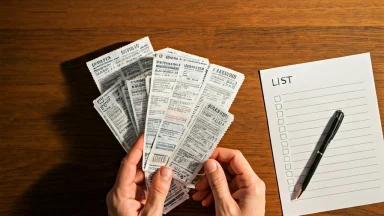
Does the weekly grocery trip feel more like a chaotic scramble than a planned mission? For many families, navigating crowded aisles, battling impulse buys, and facing a surprisingly high total at the register is a recurring source of stress and financial strain. It’s a common cycle: you go to the market without a clear plan, grab what looks good, and end up with a refrigerator full of mismatched ingredients and a budget that’s been stretched to its limit. This disorganization not only wastes money but also valuable time and contributes to food waste at home.
The solution lies in transforming your approach from reactive shopping to proactive organization. By implementing a structured system, you can regain complete control over one of your largest household expenses. This isn’t about extreme couponing or depriving your family; it’s about smart, strategic planning that aligns your purchases with your actual needs. This method turns your grocery list into a financial tool, your pantry into an efficient resource, and your time in the store into a quick, stress-free task.
This comprehensive guide provides a family-focused blueprint for mastering market organization. We will walk you through every critical stage, starting with the foundational pre-shopping preparations like meal planning and pantry inventories. You’ll learn how to craft a strategic shopping list, navigate the aisles to avoid common budget traps, and implement post-shopping systems to reduce spoilage. By embracing these strategies, you’ll unlock significant savings, slash your shopping time, and build sustainable habits for long-term financial wellness.
Why Market Organization is Your Family’s Secret Weapon for Savings
Transforming your grocery routine from a chaotic dash into a structured plan offers significant market organization benefits for your household. When you approach the store with a clear strategy, you’re not just buying food; you’re actively managing your finances. This simple shift helps you stick to your family budget, sidestep tempting impulse buys, and gain control over one of your largest monthly expenses.
Beyond the financial perks, a well-organized system makes for incredibly efficient grocery shopping. Instead of wandering aisles aimlessly, a detailed list guides you directly to what you need, slashing the time you spend in the store. This means more time back in your day for family, hobbies, or simply relaxing, all while reducing the mental stress that often comes with a disorganized trip.
Perhaps one of the most impactful advantages is the ability to reduce food waste. A thoughtful plan ensures you buy only what your family will actually consume, preventing fresh produce from spoiling in the fridge and pantry items from gathering dust. This approach works hand-in-hand with effective meal planning and is a core principle in developing strategies for Reducing Food Waste at Home: Practical Tips, turning your kitchen into a model of efficiency.
Mastering the Art of Pre-Shopping Preparation
The secret to a stress-free and budget-friendly grocery trip begins long before you grab a shopping cart. A little bit of planning at home can dramatically reduce impulse buys, prevent food waste, and ensure you get exactly what your family needs. This preparation is the cornerstone of effective market organization and is your best defense against an overspent budget.
By investing time upfront, you transform your shopping from a reactive chore into a proactive strategy. You’ll walk into the store with a clear mission, armed with a list that reflects your family’s meals and a budget that protects your finances. Let’s break down the essential steps to make your pre-shopping routine a powerful savings tool.
The Foundation: Meal Planning & Pantry Inventory
Before you can even think about what to buy, you need to know what you’re going to eat and what you already have. This two-part process is fundamental to smart shopping and forms the basis of your entire plan. Skipping this step is like trying to navigate a road trip without a map or checking your gas tank.
Smart Meal Planning for the Week
Effective meal planning strategies are your first line of attack. Sit down with your family and plan out the breakfasts, lunches, and dinners for the upcoming week. Consider everyone’s schedules, preferences, and any special events, which is a core concept we explore in our Meal Planning for Busy Families: A Step-by-Step Guide.
Think about theme nights like “Taco Tuesday” or “Pasta Friday” to simplify decisions and build excitement. Plan to use leftovers for a lunch or two, which stretches your ingredients and your dollar even further. This simple habit not only answers the daily “what’s for dinner?” question but also directly informs your grocery list creation.
Auditing Your Pantry: What You Already Have
Next, conduct a thorough pantry inventory check. Look through your pantry, refrigerator, and freezer to see what ingredients you have on hand. This crucial step prevents you from buying duplicates and helps you use up items before they expire, a key tactic for anyone serious about reducing food waste.
As you take stock, make a note of staples that are running low, like flour, olive oil, or rice. You can also identify ingredients that need to be used soon and try to incorporate them into your meal plan. Keeping an organized pantry makes this process quick and painless, ensuring you always have a clear picture of your inventory.
Crafting Your Strategic Shopping List
With your meal plan and pantry audit complete, it’s time for the most important tool in your arsenal: the shopping list. A well-constructed list is more than just a reminder; it’s a strategic document that guides your path through the store. This is where grocery list creation becomes an art form.
Categorizing for Efficiency
Don’t just jot down items randomly. Organize your list by category, mirroring the layout of your favorite grocery store (e.g., produce, dairy, meat, dry goods, frozen foods). This prevents you from backtracking through aisles, saving you valuable time and reducing the temptation to grab items not on your list.
This simple organizational hack keeps you focused and moving efficiently from one section to the next. You’ll find your shopping trips become significantly faster and less chaotic. Many people use a dedicated notebook or a notes app on their phone to keep a running, categorized template.
Integrating Coupons and Deals
Before finalizing your list, take a few minutes for coupon integration. Check your store’s weekly flyer, digital coupon apps, and cashback offers for deals on the items you plan to buy. If there’s a great sale on chicken thighs, consider swapping a planned meal to take advantage of the savings.
Understanding the difference between deals is key, and our guide on Understanding Digital and Print Coupons can help you master this. Leveraging cashback apps is another layer of savings; many of the essential apps for savvy family finances allow you to see offers before you even shop.
Setting a Realistic Budget for Your Trip
Finally, set a firm but realistic budget for this specific shopping trip. Based on your list and the deals you’ve found, estimate the total cost. This gives you a clear spending limit and empowers you to make smart choices in the store, like opting for the store brand over a name brand to stay on track.
Having a number in mind turns shopping into a challenge to see how much you can get while staying under your limit. This mindset shift is a powerful component of successful household budgeting. It ensures that your well-laid plans translate directly into tangible savings for your family.
| Strategy | Key Action | Primary Benefit |
|---|---|---|
| Meal Planning | Plan a week of meals before shopping. | Reduces impulse buys and food waste. |
| Pantry Inventory | Check your fridge, freezer, and pantry for existing items. | Prevents buying duplicates and helps use up food. |
| Strategic List Creation | Organize your shopping list by store category/aisle. | Saves time and prevents backtracking through temptation zones. |
| In-Store Tactics | Shop the store’s perimeter first and check unit prices. | Focuses on fresh foods and ensures best value. |
| Post-Shop Organization | Use a ‘First In, First Out’ (FIFO) system when unpacking. | Minimizes spoilage and ensures older items are used first. |
Navigating the Aisles: Smart Strategies for Your Shopping Trip
Once you step into the grocery store, your plan faces its biggest test. This is where preparation meets opportunity, and having a few smart strategies in your back pocket can make all the difference. The goal is to move through the store efficiently, get exactly what you need, and avoid the tempting traps designed to make you overspend.
Sticking to Your List and Avoiding Distractions
Your shopping list is your most powerful tool against impulse buys. To make it even more effective, organize your list by store section—produce, dairy, pantry staples, and frozen foods. This prevents backtracking and reduces exposure to tempting endcaps. A great tactic is to practice perimeter shopping, which means hitting the outer walls of the store first where fresh foods like fruits, vegetables, meat, and dairy are typically located.
Save the center aisles for last, as they are often packed with processed snacks and non-essential items. If you find yourself consistently buying things you don’t need, consider shopping at off-peak hours or even alone to minimize distractions. Sticking to a list derived from your weekly meal plan is also a fantastic way to ensure you buy only what you’ll use, which is a key part of reducing food waste at home.
Price Comparison and Unit Pricing Hacks
Getting the best value requires looking beyond the big, bright sale signs. One of the most important skills for a savvy shopper is understanding unit pricing. Look at the shelf tag for the price per ounce, per pound, or per item. Often, a larger package offers a lower unit price, but this isn’t always the case, especially when a smaller size is on sale.
This is also where technology can be a huge help. Using one of the essential apps for savvy family finances can allow you to compare prices or scan barcodes for instant information. Before you head to the checkout, have your coupons ready to go. Whether you use digital or print versions, organizing them beforehand prevents a last-minute scramble. For ultimate savings, see if you can stack a manufacturer’s coupon with a store sale and a cashback offer, a strategy we detail in our guide to smart home budgeting hacks.
Bringing It Home: Post-Shopping Organization & Storage
You’ve successfully navigated the aisles and scored the best deals, but the savings journey doesn’t end at the register. How you handle your groceries once you get home is just as crucial for your budget. Proper organization and storage prevent food from going bad, ensuring you actually use everything you paid for and effectively reduce spoilage.
Efficient Unpacking and Storage Systems
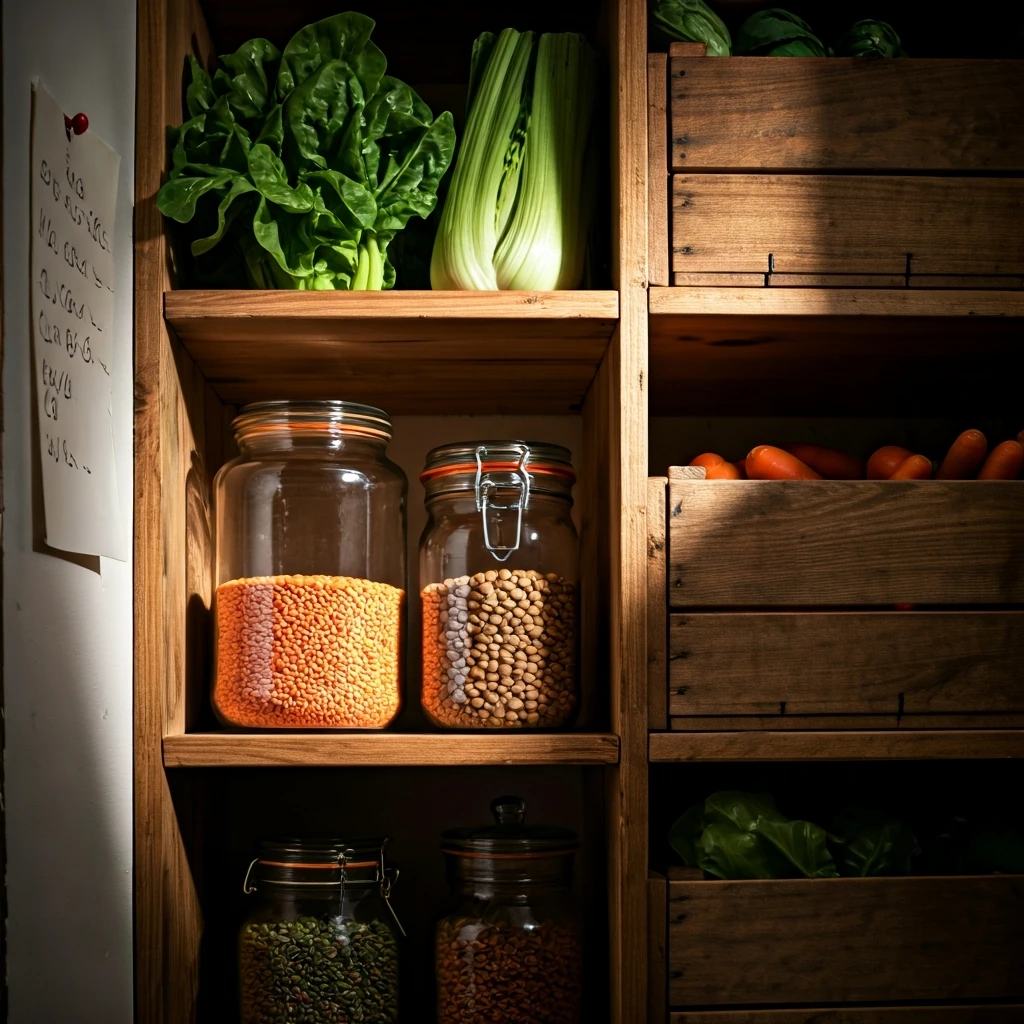
Instead of randomly shoving items into the fridge and pantry, create a system for unpacking. Start with frozen and refrigerated items to get them back to a safe temperature quickly. Then, move on to your shelf-stable goods, implementing a first in, first out (FIFO) system where you move older products to the front and place new ones in the back. This simple rotation ensures nothing gets lost and expires in the dark corners of your cupboard.
To truly master how to organize groceries, consider these simple food storage tips:
- Create Zones: Designate specific shelves in your fridge and pantry for different categories like dairy, meats, snacks, and canned goods. This makes finding ingredients a breeze.
- Use Clear Containers: Store leftovers, chopped produce, and bulk items in clear, airtight containers. Seeing what you have reduces the chance of forgetting about it until it’s too late.
- Designate a “Use First” Bin: Place items that are nearing their expiration date in a special bin in the front of your fridge. This visual reminder encourages everyone in the family to grab those items first.
These small habits can make a huge difference in your household expenses. For more ideas on cutting down on waste, our guide on Reducing Food Waste at Home: Practical Tips offers even more practical solutions.
Quick Meal Prep for Future Savings
Meal prep can sound intimidating, but it doesn’t have to mean cooking every meal for the week on a Sunday. Simple meal prep strategies can save you significant time and money during busy weeknights. After unpacking, take an extra 30 minutes to wash and chop vegetables, portion out nuts or crackers into snack bags, or marinate meats for a couple of upcoming dinners.
This “pre-prepping” removes major hurdles to cooking at home, making you less likely to opt for expensive takeout after a long day. By preparing components rather than full meals, you maintain flexibility while still streamlining your cooking process. If you’re looking to build a more comprehensive routine, our Meal Planning for Busy Families: A Step-by-Step Guide can help you get started.
Leveraging Tools & Technology for Seamless Market Organization
Technology offers fantastic support for organizing your shopping trips. Dedicated grocery apps allow you to create shared lists that sync across devices, ensuring no one forgets the milk. These tools often let you categorize items by aisle, which makes the in-store experience much faster and more efficient.
Beyond lists, a world of savings awaits on your phone through cashback apps and platforms for digital coupons. Using these market organization tools together can lead to significant savings over time. We cover the best options in our guide to Smart Spenders: The Essential Apps for Savvy Family Finances & Cashback.
Also, explore your favorite store’s own application, as they often provide exclusive deals and a digital version of their weekly flyer. These platforms are central to mastering discounts. You can learn more by reading our guide on Understanding Digital and Print Coupons: A Guide for Families.
These technologies help you stick to your plan, avoid impulse buys, and track spending with ease. This organization also helps in reducing food waste at home, as you’ll have a clear record of what you need. A well-managed list means less forgotten produce in the back of the fridge.
Common Market Organization Mistakes and How to Avoid Them
Even with a perfect plan, it’s easy to get derailed at the market. Sticking to a budget and an organized list requires navigating common pitfalls that can undo all your hard work. Recognizing these challenges is the first step, and fortunately, each one has a simple, practical solution to keep your family’s finances on track.
Falling for Impulse Buys: Strategies to Resist
Supermarkets are expertly designed to encourage impulse buys, from the candy at checkout to the tempting end-cap displays. These unplanned purchases can quickly shred your budget. The most powerful tool against this is your shopping list; commit to buying only what is written on it. If you find temptation hard to resist, challenge yourself to wait 24 hours before buying a non-list item.
Another strategy is to gamify your savings. Use shopping apps that reward you for planned purchases, which can reinforce good habits. Exploring options found in guides like Smart Home Budgeting Hacks: Maximize Savings with Savvy Cashback Strategies can turn sticking to your list into a rewarding experience. This shifts your focus from what you’re giving up to what you’re gaining.
Underestimating Time: Planning for Efficiency
Rushing through your shopping trip is a frequent cause of budget overspending prevention failure. When you’re short on time, you’re more likely to grab the most convenient (and often most expensive) options, forget items, or abandon your list altogether. Treat your grocery run like any other important appointment by scheduling a specific, protected block of time for it.
To maximize efficiency, organize your list by store aisle. This creates a clear path through the market, preventing you from circling back and passing tempting displays multiple times. A well-plotted route saves not only time and money but also mental energy, making the entire process less stressful.
Ignoring Inventory: The Cost of Duplicates
Forgetting to check your pantry, fridge, and freezer before you shop is a costly mistake. This oversight leads to buying duplicate items while others expire in the back of a cupboard, contributing directly to food waste. You end up spending money on things you already have, which is a direct blow to your budget.
The solution is a quick, pre-shopping pantry check. Before finalizing your list, take five minutes to scan what you currently have on hand. This simple habit ensures you only buy what you truly need and helps you use up items before they go bad. For more ideas on this, our guide on Reducing Food Waste at Home: Practical Tips offers many effective strategies.
The Perils of Shopping Hungry or Tired
Shopping while hungry or exhausted is a well-known recipe for disaster. When your body is low on energy, your willpower and decision-making skills plummet. Everything looks more appealing, and you are far more likely to fill your cart with high-calorie snacks and easy-to-prepare processed meals that weren’t on your list.
The fix is straightforward: never go to the market on an empty stomach. Have a healthy snack before you leave the house to keep your judgment sharp. Similarly, try to schedule your shopping for a time when you feel rested and alert, rather than at the end of a long, draining day.
Not Adapting to Changing Needs
A family’s tastes and schedules are always evolving, and your shopping list should reflect that. Sticking to the same list week after week out of habit can lead to buying food that no one wants to eat anymore. This results in wasted money and cupboards full of ingredients that never get used.
Make a point to regularly review and update your master grocery list and meal plans. A brief weekly check-in with the family can reveal new preferences or dietary needs. This is a core concept in our Meal Planning for Busy Families: A Step-by-Step Guide, which shows how flexibility is key to long-term success and staying organized grocery shopping.
Transform Your Shopping into a Sustainable Savings Habit
Mastering market organization is more than just a way to save money on a single grocery trip; it’s about building a sustainable system that provides long-term benefits for your family’s finances, time, and well-being. By shifting from a reactive shopper to a proactive planner, you take control of your budget, significantly reduce food waste, and eliminate the stress associated with chaotic market runs. The principles of planning, list-making, and strategic shopping are skills that pay dividends week after week.
The journey begins at home with thoughtful meal planning and a quick pantry audit. It continues in the store with a categorized list that guides you past tempting impulse buys, and it concludes with an organized kitchen where every item has a purpose. Each step in this blueprint works together to create a seamless and efficient process that turns a dreaded chore into an empowering financial habit.
Don’t feel pressured to implement everything at once. Start small. This week, commit to creating a meal plan and a detailed shopping list. The following week, focus on organizing your pantry with the ‘first in, first out’ method. By gradually incorporating these strategies, you’ll build the confidence and momentum needed to transform your family’s entire approach to grocery shopping for good.
Frequently Asked Questions
How often should a family organize their market trips for maximum savings?
For maximum savings and to ensure the freshness of produce, organizing one main market trip per week is most effective. This weekly rhythm allows you to plan meals accurately, take advantage of weekly sales flyers, and minimize food waste by buying only what you need for the next seven days.
What are the most effective ways to stick to a grocery budget while shopping?
The most effective methods are to shop with a categorized list and commit to buying only what’s on it. Additionally, shopping the perimeter of the store first, where fresh, whole foods are located, helps you avoid processed-food aisles. Always check unit prices to ensure you’re getting the best value, regardless of packaging size.
Can market organization truly save a significant amount of money for a family?
Absolutely. By systematically planning meals, preventing impulse buys, reducing food waste, and leveraging sales or coupons, a family can save a significant amount of money. These savings come from eliminating unplanned purchases and ensuring every dollar spent on groceries is for food that will actually be consumed.
Are there any free mobile apps that can help with creating and managing grocery lists?
Yes, there are numerous free mobile apps designed to streamline grocery organization. Many allow you to create shared lists that sync across multiple devices, categorize items by aisle, and even integrate digital coupons. Popular options often include features for meal planning and saving recipes as well.
How can I involve my children in the market organization process to teach them about budgeting?
Involve children by having them help with meal planning and checking the pantry for items you already have. In the store, you can give them responsibility for finding specific items on the list or crossing them off as you go. This turns shopping into an engaging activity and provides a practical lesson on planning and value.