That sinking feeling at the grocery checkout is all too familiar. You walked in with a plan, but your final bill tells a different story, leaving you wondering how a few bags of food could cost so much. This isn’t an accident or a failure of willpower; it’s the result of a carefully orchestrated shopping experience designed to maximize your spending.
Every modern supermarket is a masterclass in consumer psychology. From the moment you enter and are greeted by vibrant, fresh produce designed to make you feel healthy and less price-sensitive, every step of your journey is mapped out. The placement of essentials like milk and eggs at the far back of the store is a deliberate strategy, forcing you to navigate a gauntlet of tempting, high-profit items. Understanding these secrets to successful market layout is the first step in turning the tables on retailers.
This comprehensive guide will arm you with the knowledge to fight back. We’ll deconstruct the supermarket maze, moving from crucial pre-shopping preparations like strategic meal planning and list-building to in-store tactics that will make you immune to impulse buys. You will learn how to decode shelf placement, master unit pricing, and leverage advanced strategies like loyalty programs and seasonal buying to slash your grocery bill. It’s time to stop being a passive consumer and become a strategic shopper who wins the battle for your budget every single time.
Understanding the Supermarket Maze: How Layouts Influence Your Wallet
Ever feel like your grocery bill is an accident? It’s not. The modern supermarket is a meticulously engineered environment, and its primary goal is to skillfully separate you from your money. Every twist, turn, and product placement is a calculated move based on decades of research into shopper psychology, not your convenience.
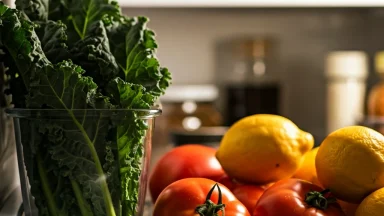
The strategic supermarket layout begins the moment you enter. You are often greeted by a vibrant display of fresh produce, creating a healthy and positive first impression. This is a classic tactic designed to make you feel good about your shopping trip, lowering your guard for the high-profit, processed foods waiting in the center aisles. These carefully designed grocery store tricks are subtle but incredibly effective.
One of the most obvious examples of store design is the placement of essential items. Milk, eggs, and bread are almost always found at the very back of the store, forcing you to navigate a long path to get them. This journey ensures you are exposed to the maximum number of products, increasing the chances of impulse buys and derailing your shopping list.
By understanding that the floor plan is a deliberate sales tool, you can start to shop with intention rather than on impulse. Recognizing these strategies is the first step toward reclaiming your budget and is a foundational skill for anyone looking to master their spending. It’s a crucial part of a smart financial plan, even more fundamental than learning advanced Couponing Strategies for Beginners.
The Core of Strategic Shopping: Preparation Before You Go
Think the battle for your budget is won in the supermarket aisles? You’ve already lost. The most critical fight happens at your kitchen table before you even grab your keys. Walking into a grocery store without a detailed plan is an open invitation for retailers to manipulate your habits and drain your wallet. This is where you turn the tables and seize control.
Crafting Your Master Grocery List
Your grocery list is not a suggestion; it is your non-negotiable script for the entire shopping trip. A well-built list is the ultimate defense against impulse buys and the slick marketing designed to make you spend more. It transforms you from a passive consumer into a mission-oriented shopper who is immune to the temptations of end-cap displays and “special” offers that aren’t special at all. Every item should have a purpose, tied directly to a planned meal or a genuine household need.
Meal Planning for the Week Ahead
The foundation of a powerful grocery list is meal planning. Stop asking “What’s for dinner?” every night and start dictating your menu a week in advance. This single habit eliminates daily stress and ensures every ingredient you buy will be used, slashing food waste and its associated costs. This isn’t just about saving time; it’s a core component of effective shopping. For those struggling to get started, exploring simple Meal Prep Ideas for Busy Families can be a complete game-changer in how you approach your weekly food consumption.
Inventory Check: What You Already Have
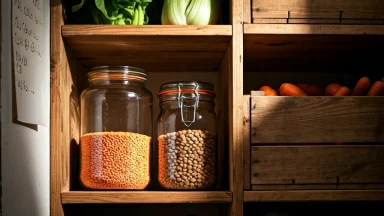
Before you finalize your list, conduct a thorough audit of your pantry, fridge, and freezer. How many times have you come home with a can of tomatoes only to find three already hiding in the back of a cupboard? This step is the forgotten secret to preventing duplicate purchases and making sure you use up what you own before it expires. This simple inventory check is an active strategy to reduce waste and stop giving away money for items you don’t actually need.
Setting a Realistic Grocery Budget
Shopping with an undefined budget is like driving without a destination; you’ll spend a lot on gas and end up somewhere you didn’t intend to be. You must set a firm, realistic spending limit for each trip. This number becomes your financial guardrail, forcing you to make conscious decisions about what goes into your cart. Is that premium brand of cookies worth sacrificing the fresh vegetables you need for Tuesday’s dinner?
This process might feel restrictive at first, but it is incredibly empowering. It forces you to prioritize and distinguish between wants and needs with ruthless efficiency. This goes beyond just picking a number; it is about understanding your household’s consumption patterns and aligning your spending with your financial goals, a fundamental principle covered in Family Budgeting Basics. Track your spending against your budget over several weeks to refine your numbers and identify areas where you can save even more.
Coupon & Cashback Prep: Digital vs. Print Strategies
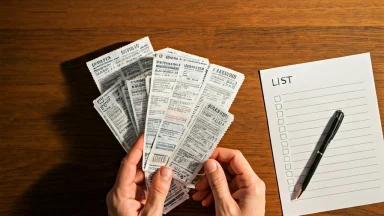
Arriving at the checkout and then remembering your coupons is a rookie mistake. True savings come from preparing your discounts before you shop. Dedicate a small block of time to gathering and organizing both digital and paper coupons that match the items on your master list. This ensures you are actively seeking discounts rather than passively hoping to find them.
Embrace a hybrid approach for maximum impact. Clip relevant coupons from flyers and printables, but also load digital offers directly onto your store loyalty card. Furthermore, activate all relevant offers on the Best Cashback Apps for Groceries before you even leave the house to guarantee you earn money back on your planned purchases. This preparation builds upon the foundations of smart Couponing Strategies for Beginners and transforms discounts from a lucky break into a predictable part of your savings arsenal.
| Strategy | Key Action |
|---|---|
| Meal Planning | Plan a week’s worth of meals before creating your grocery list to eliminate guesswork and food waste. |
| Inventory Check | Audit your pantry, fridge, and freezer to avoid buying duplicates of items you already own. |
| Perimeter Shopping | Focus on the outer walls of the store first, where fresh, whole foods are located, before venturing into center aisles. |
| Unit Price Analysis | Always compare the price per ounce/pound/item on shelf tags to find the true best value, regardless of package size. |
| Leverage Loyalty Programs | Use store apps and loyalty cards to access exclusive discounts, personalized coupons, and rewards. |
| Seasonal Buying | Purchase produce when it’s in season to get the best price, flavor, and quality. |
Navigating the Aisles: Smart Tactics During Your Shop
Do you really believe you’re in control when you walk into a supermarket? You’re not. Every single element, from the direction you’re forced to walk to the music playing overhead, is a calculated part of a plan to make you spend more. It’s a psychological battleground designed to exploit your habits, but you can turn their own game against them.
Breaking free from these manipulative traps isn’t about having superhuman willpower; it’s about having a superior strategy. By understanding the layout and decoding the subtle cues, you can navigate the store on your own terms, sticking to your list and protecting your budget. This is where your preparation pays off, transforming you from a passive consumer into a strategic shopper who wins.
The Perimeter Principle: Freshness and Essentials First
Your first and most powerful tactic is mastering perimeter shopping. It’s no accident that grocery stores place fresh produce, dairy, meat, and bread along the outer walls. These are the whole foods—the foundational ingredients for actual meals and the items that likely make up the bulk of your list.
By committing to the perimeter first, you fill your cart with what you actually need before you’re exposed to the danger zones. The center aisles are a carefully constructed maze of processed foods, sugary drinks, and high-markup items designed to be powerful impulse buys. These products offer convenience at a high cost, both to your wallet and your health, and are placed to derail your best intentions.
Only venture into the center aisles with a specific purpose for an item on your list, like olive oil or canned beans. This deliberate approach prevents mindless wandering that inevitably leads to grabbing items you don’t need. This focus is essential for effective planning, especially when sourcing ingredients for Meal Prep Ideas for Busy Families, as it keeps your cart full of versatile essentials.
Decoding Shelf Placement and Understanding Unit Pricing
Ever wonder why the most expensive brands are always right at eye level? That is not a coincidence. This is a core retail strategy known as shelf placement, and it banks on you taking the path of least resistance. Retailers know that what’s easiest to see and grab is what you’re most likely to buy, so this prime real estate is reserved for items with the highest profit margins.
To fight back, you must train your eyes to scan the entire shelf—especially the top and bottom. These less-convenient spots are where you’ll often find store brands and other value-oriented products that offer significant savings for a nearly identical item. A few seconds of looking up and down can save you several dollars on a single product, which adds up dramatically over a full shopping trip.
The true secret weapon, however, is leveraging unit pricing to see past the marketing. Look at the shelf tag for the price per ounce, per pound, or per count. For example, a large “family size” box of cereal might seem like a deal, but its unit price could be higher than two smaller boxes. This number cuts through the noise of packaging and sales gimmicks, revealing the genuine best value. When you combine this awareness with powerful tools like the Best Cashback Apps for Groceries, your savings become automatic.

Beyond the Basics: Advanced Savings Strategies for Savvy Shoppers
Once you have mastered the fundamentals of grocery budgeting, it’s time to unlock a new level of savings. These advanced methods go beyond simple coupon clipping, requiring a more strategic approach to how you shop. By integrating these habits into your routine, you can significantly reduce your grocery bill over the long term.
Leveraging Loyalty Programs and Store Apps for Exclusive Deals
Nearly every major supermarket offers a loyalty program, and signing up should be a top priority. These free programs are your key to unlocking member-only pricing, which is often a substantial discount advertised directly on the shelf. Beyond the immediate price cuts, these programs track your purchases to provide personalized coupons for items you buy most frequently.
Take this strategy a step further by downloading your grocery store’s app. These apps are modern hubs for savings, often containing digital coupons you can “clip” with a single tap, eliminating the need for scissors. Many also integrate rewards systems, like fuel points, and are a great companion to the Best Cashback Apps for Groceries, allowing you to stack rewards from multiple sources on a single shopping trip.
Don’t forget to investigate your store’s price matching policy, which can be another powerful tool. Many retailers will match a competitor’s advertised price on an identical item if you can present the current ad. This saves you from driving to multiple stores; you can consolidate your shopping and still get the best price available in your area.
The Art of Seasonal and Bulk Buying
One of the most effective ways to save on fresh food is to shop with the seasons. When you buy seasonal produce—like berries in the summer or squash in the fall—you are buying it at its peak of supply. This abundance drives down costs, making it significantly cheaper, fresher, and more flavorful than produce that has been shipped from far away.
Aligning your grocery list with the seasons is a cornerstone of smart shopping and can inspire your cooking. Planning your meals around what’s on sale seasonally is a fantastic strategy, and you can explore various Meal Prep Ideas for Busy Families to make the most of your haul. Buying seasonal items in larger quantities when prices are low and freezing them for later use is an excellent way to enjoy the savings for months.
Similarly, bulk buying can offer incredible value, but it requires careful consideration. This doesn’t just mean shopping at warehouse clubs; it also means purchasing larger quantities of shelf-stable items like rice, pasta, canned goods, and paper products when they hit a rock-bottom sale price. The key is to only buy what you have space to store and know you will use before it expires, which is a vital component of solid Family Budgeting Basics.
Even when buying in bulk, the rule of the unit price remains supreme. A larger package is not automatically a better deal, so always do the quick math to confirm you are truly getting the lowest cost per ounce, per item, or per roll. This diligence ensures your bulk purchases are genuinely saving you money and not just filling your pantry with expensive overstock.
The Checkout Line & Post-Shopping Review: Final Steps to Success
Think your shopping trip is over once your cart is full? That’s precisely where most budgets crumble. The checkout line is not a place to relax; it’s your final battleground against overspending and errors. A successful checkout strategy involves watching the scanner like a hawk for price discrepancies, which happen more often than you realize. This is also your last chance to deploy any paper or digital coupons, so have them ready to ensure every discount is applied correctly.
Once you’re home, that piece of paper in your bag is more than a receipt—it’s a report card. A thorough receipt review is non-negotiable. Did you stick to your list, or did impulse buys sneak into your cart? Compare the final total against your plan, a critical step for anyone serious about mastering their Family Budgeting Basics. Don’t just throw the receipt away; use it to get money back by scanning it into one of the Best Cashback Apps for Groceries.
Finally, use the data from your receipt to inform your next trip. If you overspent on snacks, make a note to avoid that aisle next week. If you found a great deal on chicken, consider how it fits into your Meal Prep Ideas for Busy Families. Every shopping trip provides valuable intelligence, and a consistent budget adjustment based on your actual spending is the secret to turning a stressful chore into a strategic win.
From Shopper to Strategist: Mastering Your Grocery Budget
Unlocking the secrets of the supermarket isn’t about finding a single magic trick; it’s about adopting a new mindset. By shifting from a passive consumer to an active strategist, you reclaim control over your spending. The battle is won before you even enter the store, with deliberate meal planning, thorough inventory checks, and a non-negotiable budget. Inside, your strategy comes to life as you master perimeter shopping, decode unit pricing, and ignore the psychological traps of shelf placement.
Your journey doesn’t end at the checkout. Reviewing your receipt and tracking your spending transforms each shopping trip into a lesson, refining your approach for the next one. Implementing these strategies consistently will not only slash your grocery bill but also empower you with a profound sense of financial control. You now have the playbook to navigate any supermarket with confidence, ensuring your cart is filled with value, not regret.
Frequently Asked Questions About Grocery Savings
How do supermarket layouts influence my spending habits?
Supermarket layouts are designed to maximize your time in the store and exposure to products. Essentials like milk are placed at the back, forcing you through aisles of high-profit impulse items. Eye-level shelves feature expensive brands, while vibrant produce at the entrance makes you feel good about shopping, lowering your price sensitivity.
What is the most effective way to plan a grocery list for a family?
The most effective method starts with weekly meal planning to decide what you’ll eat. Next, conduct an inventory of your pantry and fridge to see what you already have. Finally, create a detailed list containing only the specific ingredients and staples needed for your planned meals, which prevents impulse buys and food waste.
Is it always cheaper to buy generic brands over name brands?
While generic or store brands are often cheaper, it’s not a universal rule. The best way to be sure is to ignore the brand and focus on the unit price listed on the shelf tag. This price per ounce or per item reveals the true cost and allows you to make an objective decision on the best value.
What strategies can help me avoid impulse purchases at the grocery store?
To avoid impulse buys, always shop with a detailed list and commit to not deviating from it. Eat a meal before you go, as shopping while hungry increases temptation. Shopping the store’s perimeter first also helps, as you fill your cart with essential whole foods before hitting the processed snack aisles.
How can I make sure I’m getting the best deals on seasonal produce?
To get the best deals, plan your meals around produce that is currently in season in your region. This is when supply is at its peak, which drives prices down significantly. Check weekly flyers for sales and consider visiting local farmers’ markets for fresh, competitively priced options.