Does your weekly grocery run feel more like a chaotic budget battle than a simple chore? For many households, the supermarket is a place where good financial intentions go to die, lost somewhere between the snack aisle and the checkout counter. You walk in with a plan, but walk out with a cart full of impulse buys and a receipt that makes you wince. This cycle of overspending, food waste, and post-shopping regret is frustratingly common, but it is not unbreakable. The key isn’t earning more money; it’s mastering the strategy of how you spend it.
Organizing a market trip is a critical skill in modern home economics, transforming a necessary expense into a powerful opportunity for savings. In an era of fluctuating food prices and tight budgets, a strategic approach is no longer a niche hobby but an essential practice for financial well-being. By moving beyond a simple shopping list and adopting a comprehensive system, you can take direct control over one of your largest variable expenses. This involves a mindset shift: viewing the grocery store not as a retail environment, but as a strategic field where preparation and discipline lead to victory.
This comprehensive guide will provide you with the expert advice needed to master your grocery organization from start to finish. We will delve into the foundational steps of pre-trip planning, including effective meal mapping and creating a categorized, inventory-aware list. You’ll discover how to harness the power of digital coupons and cashback apps without spending hours searching for deals. Furthermore, we’ll equip you with proven in-store tactics to navigate the aisles like a pro and post-shopping storage methods to ensure your purchases last, dramatically reducing food waste and protecting your investment.
The Foundation of a Frugal Market Trip: Smart Planning
Stop throwing your money away every time you walk into a grocery store. The single biggest mistake most families make is shopping without a concrete strategy. This lack of preparation is a direct invitation for impulse buys, wasted food, and a budget that spirals out of control before you even reach the checkout line.
Market planning isn’t just about saving a few dollars; it’s about taking command of your finances and your time. A well-organized approach transforms a chaotic chore into a streamlined, predictable task. This is the bedrock of smart household spending and the first step toward mastering your grocery budget.
Crafting Your Weekly Meal Plan
What are you eating for dinner on Wednesday? If you don’t have an immediate answer, you’re already behind. A meal planning session is non-negotiable for anyone serious about saving money, reducing stress, and eating better. This process eliminates the daily “what’s for dinner” panic that often leads to expensive takeout.
Sit down once a week and map out your meals, including breakfasts, lunches, and dinners. Consider your family’s schedule, accounting for busy nights that might require a quicker meal. For those just starting, using one of our Weekly Meal Planning Templates can provide the structure you need to get organized quickly and efficiently.
The Art of the Detailed Grocery List
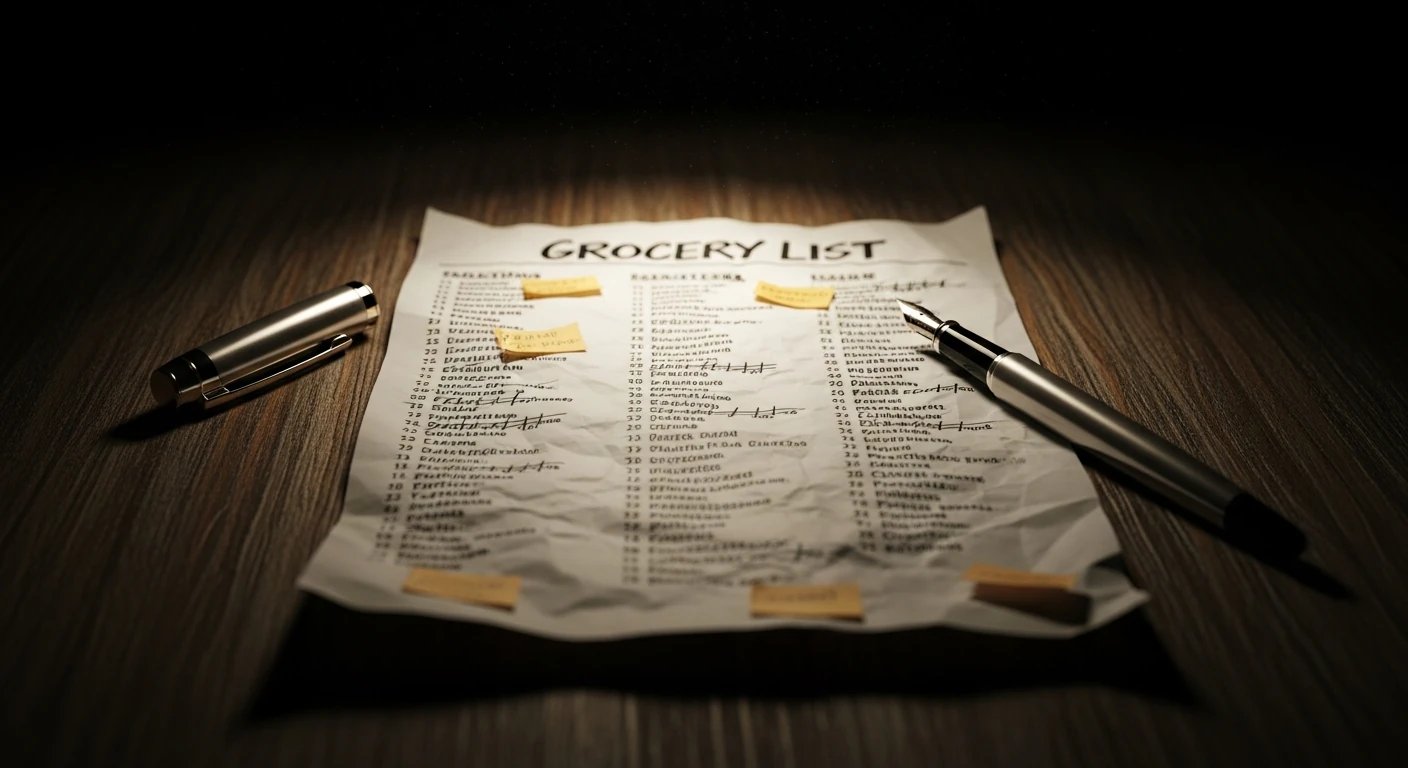
Your grocery list is not a suggestion; it’s your battlefield commander. A vague list with items like “milk” or “bread” is useless, but a detailed one is a powerful tool against marketing tricks and impulse purchases. This document dictates the success or failure of your entire trip, so it demands your full attention.
Checking Your Pantry and Fridge First
Is your pantry a black hole of forgotten cans and half-used bags of pasta? Before you write down a single item, you must take inventory of what you already own. This simple five-minute check prevents you from buying duplicate items that will eventually expire, effectively lighting your money on fire.
Open your fridge, freezer, and every cupboard to see what needs to be used up this week. This is also a perfect opportunity to get organized for good with some proven Pantry Organization Hacks. A clean and orderly pantry makes inventory checks faster and far more effective in the long run.
Categorizing for Shopping Efficiency
A list written in random order is a recipe for a frustrating, time-wasting shopping trip. You’ll find yourself backtracking through aisles, increasing the temptation to grab items you don’t need. A truly effective grocery list is organized by the store’s layout.
Group your items into categories like “Produce,” “Dairy,” “Meats,” “Frozen Foods,” and “Pantry Staples.” This allows you to move through the store in a logical path, grabbing everything you need from one section before moving to the next. This systematic approach not only saves time but also strengthens your resolve against buying off-list items.
Setting a Realistic Budget Before You Shop
Walking into a store without a spending limit is like driving without a destination. You need a firm number in mind to guide your decisions and enforce discipline. This isn’t about restriction; it’s about empowerment, giving you clear boundaries for your spending.
Use your meal plan and grocery list to estimate the total cost. If the initial number is too high, go back and make adjustments, like swapping a pricey protein for a more affordable one. For those new to this, exploring the fundamentals of Budgeting for Beginners: Family Finances can be a game-changer, and remember to factor in savings from the Best Cashback Apps for Groceries to stretch your funds even further.
Harnessing the Power of Deals: Coupons and Cashback
Are you still paying full price for your groceries? If you’re walking out of the store without using a single deal, you are voluntarily giving away your hard-earned money. Most people think finding deals is a chore, but the truth is that ignoring coupons and cashback apps is a massive financial mistake that costs your family hundreds, if not thousands, of dollars over time.
The game has changed, and leveraging these tools is simpler than ever. It’s not about extreme couponing; it’s about smart, strategic spending. By integrating these practices into your routine, you transform a weekly expense into a savings opportunity, directly impacting your household’s bottom line and freeing up cash for other goals.
Digital vs. Printed Coupons: Which to Prioritize?
Forget the outdated image of spending hours clipping paper squares from newspapers. While printed coupons still exist and can offer high-value discounts, the digital revolution has made saving effortless. Most major grocery stores now have apps where you can electronically “clip” promotions and link them directly to your loyalty account, with savings applied automatically at checkout.
So, which should you focus on? The honest answer is that it depends on your commitment level. For the busy family, prioritizing digital coupons is a must for its sheer convenience and speed. However, for those willing to invest a little more time, a hybrid approach of scanning weekly flyers for standout printed deals while also loading digital offers can yield the biggest savings. The key is to align your strategy with your Weekly Meal Planning Templates to ensure you only clip coupons for items you will actually use.
Maximizing Cashback Apps and Programs
Imagine getting paid to buy the groceries you were already planning to purchase. That is the simple premise behind cashback programs, and it’s one of the most underutilized tools in home economics. Unlike an instant discount, cashback services refund you a percentage of your purchase total or a flat amount for specific items after you shop, putting real money back into your bank account or PayPal.
To get started, you simply need to download one of the Best Cashback Apps for Groceries and browse offers before you head to the store. After you shop, you scan your receipt to claim your cash. The ultimate strategy is “stacking” your savings by using a store or manufacturer coupon on an item that also has a cashback offer, effectively getting a double discount. This is a core principle for anyone serious about mastering their spending and is a practical application of the lessons found in Budgeting for Beginners: Family Finances.
Effective use of these apps allows you to stock up on essentials when the deals are hot. By keeping your supplies in order with smart Pantry Organization Hacks, you can take full advantage of a great cashback offer without worrying about waste. Over a year, these small rebates accumulate into a significant sum that can be put toward paying down debt or boosting your savings.
| Strategy | Key Action |
|---|---|
| Smart Pre-Trip Planning | Create a weekly meal plan and take a full inventory of your pantry, fridge, and freezer before making a list. |
| The Detailed Grocery List | Organize your list into categories that match the store’s layout (e.g., Produce, Dairy, Meats) to ensure an efficient trip. |
| Leveraging Deals | Use digital store coupons and cashback apps to ‘stack’ savings on items you already plan to buy. |
| Strategic In-Store Navigation | Stick strictly to your list and always compare the unit price on shelf tags to find the true best value, regardless of brand or box size. |
| Post-Shopping Organization | Implement the First-In, First-Out (FIFO) rule and use proper storage techniques (like airtight containers) to extend food longevity and reduce waste. |
Navigating the Aisles Like a Pro: In-Store Strategies
The supermarket is a battlefield designed to separate you from your money. Every colorful endcap and “special offer” is a calculated attack on your budget. Winning this fight requires more than just a vague idea of what you need; it demands a solid plan and the discipline to execute it, turning a potential budget disaster into a tactical victory.
Forget leisurely wandering—that’s a rookie mistake that marketers count on. Professional shoppers move with purpose. Your goal is to get in, get what you need, and get out with your finances intact. This means treating every trip as a mission, not a casual stroll.
Stick to Your List: The Golden Rule
Your grocery list is your single most powerful weapon against impulse buys. Without it, you’re essentially telling the store you’re open to any and all suggestions, and they have plenty. A well-crafted list, born from effective Weekly Meal Planning Templates, is the foundation of a successful shopping trip.
Never enter the store without this guide. If you forgot it, go back and get it. This isn’t just about remembering the milk; it’s about creating a non-negotiable boundary for your spending. Sticking to the list is the core principle that separates savvy savers from chronic overspenders and is a crucial step in Budgeting for Beginners: Family Finances.
Smart Comparisons: Unit Price and Brands
Do you really know if you’re getting a deal? The bigger box isn’t always cheaper, and brand loyalty can be an expensive habit. The only way to know for sure is to ignore the flashy sale signs and focus on the unit price. This small number, usually listed on the shelf tag, tells you the cost per ounce, gram, or count, giving you a true apples-to-apples comparison.
Challenge your own habits by comparing the unit price of your favorite brand against the store brand. Often, you’ll find the quality is nearly identical while the savings are significant. Combine this strategy with the Best Cashback Apps for Groceries to stack your savings even further, ensuring you’re paying the absolute lowest price possible for every item on your list.
Post-Market Organization: Storing for Longevity
The real work isn’t done when you walk in the door; it’s just beginning. Unpacking groceries correctly is the difference between a well-stocked kitchen and a bin full of wasted money. Every item you throw away is like setting cash on fire, a critical leak many families overlook in their household budget.
Stop treating your refrigerator like a junk drawer for produce. You can keep leafy greens crisp for days longer simply by storing them with a paper towel to absorb excess moisture. Understanding which items belong in the cold and which, like tomatoes, thrive on the counter is a core strategy to reduce food waste and protect your grocery investment.
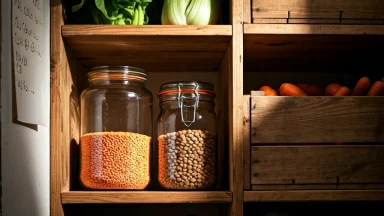
Your pantry is your long-term savings account for food, so treat it with respect. Transfer items like flour, sugar, and pasta from flimsy packaging into airtight containers for proper food storage. This simple move prevents pests, locks out moisture, and dramatically extends shelf life, ensuring your bulk purchases actually save you money in the long run.
Implement the First-In, First-Out (FIFO) rule immediately. When you buy new items, rotate the older ones to the front of the fridge or pantry shelf, making them the first ones you grab. This discipline is the secret weapon that makes your efforts pay off, ensuring you use everything you buy before it expires, a perfect companion habit to using Weekly Meal Planning Templates.
Adapting Your Approach: Seasonal Buys and Bulk Shopping
Stop paying a premium for out-of-season blueberries in the middle of winter. The smartest shoppers know that aligning their purchases with nature’s calendar is the ultimate savings hack. Following the rhythm of seasonal produce means you get fruits and vegetables at their peak flavor and lowest price, directly impacting your bottom line. This isn’t just about saving a few cents; it’s a fundamental shift in how you view the grocery store.
When an item is in season, it’s abundant, which drives down the cost of everything from transportation to storage. That’s why strawberries are a steal in the summer and root vegetables are bargains in the fall. Planning your meals around what’s currently being harvested allows you to build a grocery list that is naturally more affordable without sacrificing quality.
Similarly, buying in bulk can feel like a win, but that giant container of mustard could just be future food waste. Effective stockpiling strategies are about being brutally honest about your family’s consumption habits. Before you buy the economy-sized anything, be certain you will use it all before it expires. This strategy works best for non-perishables like pasta, canned goods, and paper products, or items you can freeze.
The true power of this approach comes when you combine it with other tools. Use one of the Best Cashback Apps for Groceries on a bulk purchase to multiply your savings. A well-organized stockpile is useless without good Pantry Organization Hacks to ensure you can see and use what you have. This level of planning transforms your grocery run from a weekly chore into a key part of your family’s financial strategy.
From Chore to Strategy: Your New Grocery Mindset
Mastering your grocery run is about more than just saving a few dollars; it’s about reclaiming control over your time, finances, and household resources. By implementing these strategies—from meticulous planning and deal stacking to disciplined in-store execution and smart storage—you transform a routine chore into a powerful financial tool. Each organized trip builds momentum, reinforcing habits that lead to significant long-term savings, less food waste, and a calmer, more predictable kitchen. Embrace this new mindset and watch your grocery bill shrink while your confidence grows.
Frequently Asked Questions
What’s the best way to create an effective grocery list?
The most effective method is to first take a quick inventory of your pantry, fridge, and freezer to see what you already have. Then, based on your weekly meal plan, write down the items you need and organize them into categories that match your grocery store’s layout, such as produce, dairy, and frozen goods. This prevents backtracking and reduces impulse buys.
How can I save money on groceries without spending hours clipping coupons?
Focus on strategic planning and smart shopping habits. Create a meal plan to buy only what you need, and always compare the unit price to ensure you’re getting the best deal. Additionally, utilize digital cashback apps that allow you to earn money back on purchases by simply scanning your receipt, which requires minimal time.
Is bulk buying always a good idea for families?
Bulk buying is only a good idea for non-perishable items or foods you can freeze that your family consumes regularly and will finish before the expiration date. For items with a short shelf life or that are used infrequently, buying in bulk often leads to food waste and financial loss, negating any potential savings.
What are common mistakes to avoid when organizing a market trip?
Common mistakes include shopping without a detailed, categorized list, which invites impulse purchases. Other errors are failing to check your current inventory before you leave, ignoring the unit price when comparing products, and wandering aimlessly through the aisles instead of following an efficient path through the store.
How can I reduce food waste after a grocery trip?
To reduce waste, unpack your groceries strategically. Use proper storage methods, like airtight containers for pantry staples and storing produce correctly to extend freshness. Most importantly, implement the “First-In, First-Out” (FIFO) system: place new items behind older ones in your fridge and pantry to ensure you use them up first.