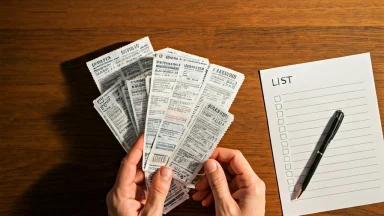
Does this sound familiar? You walk into the grocery store with a short list, determined to stick to your budget, but you leave an hour later with a full cart and a receipt that makes your jaw drop. This common experience isn’t just bad luck; it’s a symptom of a disorganized shopping strategy. Without a clear plan, you become a prime target for the store’s expertly crafted marketing, designed to encourage impulse buys and inflate your spending on items you might not even need.
This is where the power of market organization comes into play. It’s the practice of shifting from a reactive, spur-of-the-moment shopper to a proactive, strategic planner. By taking control of the entire process—from what’s in your pantry before you leave to how you store your food when you get home—you can insulate your wallet from costly mistakes. This structured approach not only saves you money but also reduces food waste and the mental stress of last-minute meal decisions.
Mastering your grocery routine is a skill that pays dividends for years to come. In this comprehensive guide, we’ll expose the most common and costly mistakes shoppers make before, during, and after their trip to the market. You’ll learn how to build a foundation for savings with effective meal planning, navigate the aisles like a pro to avoid psychological traps, and ensure every item you buy is put to good use. Get ready to transform your shopping habits and unlock significant savings on your household’s biggest expenses.
The Foundation: Why Market Organization Matters for Your Wallet
Have you ever gone into a store for milk and left with a cart full of unplanned items? This common scenario directly impacts your household budget, turning a simple errand into a significant expense. Without a plan, you are more vulnerable to impulse buys and store promotions for things you don’t actually need.
This is precisely why market organization is so crucial for saving money. It’s about shifting from reactive shopping to proactive planning, which puts you in control of your spending. Creating a list based on what you already have and what you need for upcoming meals prevents duplicate purchases and reduces food waste.
An organized approach also opens the door to deeper savings beyond just avoiding impulse buys. It allows you to effectively integrate strategies like Easy Meal Planning Tips to Save Time and Money and make the most of Couponing Strategies for Beginners. When your shopping is structured, you can easily spot opportunities to use deals and even earn rewards by Understanding Cashback Programs.
Pre-Shopping Pitfalls: Common Mistakes Before You Leave Home
The most expensive market organization mistakes often happen before you even grab your keys. A successful, budget-friendly shopping trip is built on a foundation of solid preparation. Without a clear plan, you walk into the store directionless, making you vulnerable to impulse buys and marketing tricks that drain your wallet.
Fixing these pre-shopping blunders is one of the fastest ways to see an immediate impact on your grocery bill. It transforms your shopping from a reactive chore into a proactive strategy for saving money. By dedicating a little time at home, you set yourself up for a focused and efficient trip every time.
Skipping the Meal Plan: The Root of Overspending
Walking into a grocery store without knowing what you’ll eat for the week is like sailing without a rudder. A missing meal plan is the primary cause of overspending, leading to random purchases that don’t form complete meals. This often results in a cart full of snacks and expensive prepared foods, plus an extra trip later in the week for forgotten essentials.
A simple meal plan provides structure and purpose to your shopping. It ensures every item you buy has a designated role, drastically reducing food waste and budget blowouts. Taking a few minutes to outline meals is a core principle of Easy Meal Planning Tips to Save Time and Money, allowing you to build a precise and effective shopping list.
Ignoring Your Pantry Inventory: Buying What You Already Have
Are you sure you’re out of pasta sauce, or do you just think you are? Failing to do a quick check of your pantry, fridge, and freezer is a guaranteed way to waste money. This common error leads to buying duplicates of items you already have, which not only eats up your budget but also valuable storage space.
Before you even think about writing a list, conduct a “pantry audit.” Look at what you have on hand and think about how you can incorporate those items into your meal plan for the week. This simple habit prevents you from buying a third bottle of olive oil and ensures you use up what you own before it expires, maximizing the value of every dollar spent.
The Generic Shopping List Trap: Lack of Specificity
Your shopping list can be your greatest ally or your worst enemy, and the difference lies in the details. A list with vague items like “cheese,” “bread,” or “cereal” is an open invitation to overspend. When you get to the aisle, you’re forced to make a decision on the spot, where you are most susceptible to fancy packaging and “sale” signs for items you don’t need.
A powerful list is a specific list. Instead of “cheese,” write “8 oz block of sharp cheddar.” This specificity keeps you focused and prevents you from grabbing a more expensive artisanal brie on a whim. It also empowers you to effectively use deals, as you’ll know exactly which product qualifies for a promotion, which is essential for both Couponing Strategies for Beginners and Understanding Cashback Programs.
Digital vs. Paper Lists: Choosing Your Best Tool
The debate between digital and paper lists is ongoing, but the truth is the best tool is the one you will consistently use. A traditional paper list is simple, tactile, and requires no battery or Wi-Fi. For many, the physical act of crossing off an item is incredibly satisfying and helps keep them on track in the store.
On the other hand, digital apps offer powerful features like shared lists that your partner can add to, easy categorization by aisle, and the ability to save frequent purchases. The key is to experiment and find what fits your family’s workflow. Whichever method you choose, a well-managed list is a critical component of successful Budgeting for Families: A Complete Guide.
| Common Mistake | The Smart Solution |
|---|---|
| Skipping the Meal Plan | Outline your week’s meals to create a purpose-driven, precise shopping list. |
| Ignoring Your Pantry Inventory | Check your fridge, freezer, and pantry before making a list to avoid buying duplicates. |
| Creating a Generic Shopping List | Be specific with quantities and types (e.g., ‘8 oz block of cheddar’ instead of ‘cheese’). |
| Falling for Impulse Buys | Stick strictly to your list, never shop hungry, and use a smaller cart or basket. |
| Misunderstanding Unit Pricing | Always compare the price per ounce/pound to find the true best value, regardless of package size. |
| Improper Food Storage | Learn which foods go in the fridge vs. the counter to prevent premature spoilage and waste. |
Navigating the Aisles: In-Store Shopping Blunders to Avoid
Even with a perfect shopping list in hand, the supermarket itself is designed to make you spend more. From tempting displays to confusing pricing, it’s easy to stray from your plan and blow your budget. Recognizing these common in-store traps is the first step toward becoming a more disciplined and savvy shopper.
Falling for Impulse Buys: The Enemy of Your Budget
An impulse buy is any purchase you didn’t plan to make before entering the store. Supermarkets are experts at encouraging these, placing tempting items at the ends of aisles and right at the checkout counter. These small, unplanned purchases quickly add up and can derail your financial goals.
The most effective defense is to treat your shopping list as your guide. Having a clear plan, like the one you’d create with Easy Meal Planning Tips to Save Time and Money, gives every item in your cart a purpose. This leaves little room for spontaneous additions that break your budget.
Another classic tip is to never shop on an empty stomach, as hunger can make everything look more appealing. Consider using a smaller cart or a basket to physically limit the amount of extra space you have. This small change creates a psychological barrier against grabbing items that weren’t part of your initial plan.
Misunderstanding Unit Pricing: Not Getting the Best Deal
Many shoppers assume that buying in bulk is always the cheapest option, but this isn’t always true. The key to finding the real value is to check the unit price, which is typically found on the shelf tag. This price breaks down the cost into a standard measurement, such as price per ounce or per pound.
For example, a large box of cereal might seem like a better deal than two smaller boxes. However, by comparing the price per ounce, you might find that a store sale on the smaller boxes actually makes them cheaper. Always take a moment to compare unit prices between different sizes and brands.
Coupon Chaos: Not Maximizing or Misusing Your Savings
Coupons are fantastic tools, but they can also lead to overspending if not managed well. A common mistake is using a coupon to buy an item you wouldn’t normally purchase just because it’s “on sale.” If it’s not something your family needs or will use, you haven’t really saved money.
Another pitfall is not reading the fine print, which can lead to frustration at the checkout. Pay close attention to size restrictions, quantity limits, and expiration dates. A well-organized system is essential, and our guide on Couponing Strategies for Beginners can help you prevent missed opportunities.
Digital vs. Physical Coupon Strategy
You will likely encounter both digital and physical coupons, and a smart shopper knows how to use both. Digital coupons are convenient, as you can “clip” them directly to your store loyalty card via an app. However, they are often limited to one-time use and may not be stackable.
Physical coupons from mailers sometimes offer higher values or can be combined with store sales for deeper discounts. The best strategy is a hybrid approach: load digital coupons and bring your physical ones. By combining these with store promotions and cashback offers, like those in Understanding Cashback Programs, you can truly maximize your savings.

Post-Shopping Slip-ups: Maximizing Your Haul After Checkout
You navigated the aisles, stuck to your list, and even used a few coupons. The hard part is over, right? Not quite. What you do with your groceries once you get them home is just as crucial for your budget. Mistakes made after checkout can lead to spoiled food and wasted money, undoing all the savings you just worked so hard to achieve.
The journey from the shopping cart to your plate involves more than just unloading bags. It requires a strategy for proper food storage and a plan to use everything you buy. Without this final step, you might as well be tossing cash directly into the compost bin. Let’s look at the common pitfalls that happen after you walk through your front door.
Improper Storage: The Spoilage Trap
One of the quickest ways to waste money is by storing your food incorrectly. Putting produce in the wrong spot can accelerate spoilage, forcing you to throw out items you just bought. For example, storing tomatoes or onions in the refrigerator can ruin their texture and flavor, while potatoes can turn sweet and gritty if kept too cold.
Understanding which foods should be refrigerated versus kept at room temperature is essential for food waste prevention. Keep fruits like bananas, apples, and avocados on the counter, as they release ethylene gas that can cause other produce to ripen and spoil faster. Store leafy greens with a paper towel in a container to absorb excess moisture and extend their freshness significantly.
Forgetting Leftovers and Neglecting Meal Prep
The back of the refrigerator is often where good intentions go to die. Leftovers from dinner or half-used ingredients get pushed aside and forgotten until they are no longer edible. This “out of sight, out of mind” problem is a major source of food waste that directly impacts your family’s finances.
The best defense against forgotten food is a proactive offense through meal planning. When you have a plan for your purchases, you are more likely to use them. For more ideas, our guide on Easy Meal Planning Tips to Save Time and Money can be a huge help. Even simple prep, like chopping vegetables for the next few days or cooking a batch of rice, makes it easier to use what you have on hand and turn leftovers into your next delicious meal.
Tools and Tactics: Smart Strategies for Flawless Market Organization
Beyond a well-made list and a solid meal plan, using the right tools can supercharge your savings. Modern technology offers incredible support for keeping your grocery trips efficient and under budget. These smart strategies help you actively manage your spending instead of just tracking it after the fact.
Embracing Digital Shopping and Budgeting Tools
Your smartphone can be one of the most effective shopping tools in your arsenal. There are numerous shopping apps for budgeting designed specifically to help you create lists, compare prices between local stores, and track your spending in real-time. This level of detail makes it easy to see where your money is going before you even reach the checkout line.
These apps often allow you to set a budget for each shopping trip and will alert you as you add items to your virtual cart or list. This immediate feedback is crucial for staying on track. For families looking to get a better handle on their finances, integrating these apps is a simple step that complements the principles found in a complete guide to budgeting.
The Power of Cashback and Loyalty Programs
Leaving free money on the table is a common mistake that is easy to fix. Signing up for store loyalty programs and cashback programs for groceries is a must for any savvy shopper. These programs often provide exclusive discounts, digital coupons, and, most importantly, give you money back on purchases you were already going to make.
Make a habit of scanning your receipts into cashback apps or linking your store loyalty card for automatic savings. While the individual savings might seem small, they accumulate significantly over months. Combining this with smart couponing strategies can dramatically reduce your overall grocery expenses and reward you for your loyalty.
Cultivating a Mindset: Long-Term Habits for Budget-Friendly Shopping
Mastering market organization isn’t just about using a few clever tricks; it’s about changing your entire approach to shopping. The real goal is to turn smart actions into automatic behaviors. Making a commitment to mindful spending habits transforms saving money from a chore into a natural part of your weekly routine, creating lasting financial benefits.
The foundation of these savings lies in developing consistent shopping habits. This involves more than just clipping an occasional coupon; it means regularly reviewing your spending patterns and making adjustments as part of your overall household finances. Integrating this practice is a key component of successful family budgeting, as outlined in a comprehensive Budgeting for Families: A Complete Guide.
This consistency naturally leads you to shop with more intention. When you have a clear plan before you even enter the store, you are less susceptible to impulse buys designed to drain your wallet. Following strategies from Easy Meal Planning Tips to Save Time and Money ensures you are buying what you actually need, not just what’s on sale.
Ultimately, avoiding common mistakes is about building sustainable shopping practices that work for your unique family. By adopting this new mindset, you are not just saving money on your next grocery bill. You are establishing a foundation of financial wellness that will serve your household for a long time.
Conclusion: From Mistakes to Mastery in the Market
Mastering market organization is more than just avoiding a few common mistakes; it’s about fundamentally shifting your mindset from a passive consumer to an active financial strategist. The journey from overspending and food waste to a streamlined, budget-friendly routine begins with intention. By consistently applying the principles of planning, specific list-making, and mindful shopping, you turn smart actions into lasting habits.
The real success isn’t just in the money you save on your next grocery bill, but in the sustainable system you build for your household. Each trip to the store becomes an opportunity to reinforce your financial goals, reduce stress, and make healthier choices for your family. Embrace these strategies not as a temporary fix, but as the foundation for long-term financial wellness and control over your household budget.
Frequently Asked Questions
What is the biggest mistake people make when grocery shopping?
The single biggest mistake is shopping without a plan, which includes both a meal plan and a specific shopping list. This lack of preparation is the root cause of overspending, as it leads directly to impulse purchases, forgotten items, and food waste. Without a plan, you are more susceptible to store marketing and less likely to buy only what you truly need.
How can I stop making impulse purchases at the supermarket?
To stop impulse buys, you must treat your specific shopping list as your primary guide and commit to not deviating from it. It also helps to never shop on an empty stomach, as hunger makes everything more appealing. For an extra layer of defense, consider using a smaller shopping cart or a handbasket to physically limit the space you have for unplanned items.
What are the best tools for organizing my grocery list and budget?
The best tools are those you’ll use consistently. Many people find success with digital budgeting apps that allow for list creation, price comparison, and real-time spending tracking. Others prefer a simple paper list and a calculator. Combining these list-making tools with a weekly meal plan and cashback apps creates a powerful system for managing your grocery budget effectively.
How often should I review my market organization strategy?
It’s wise to review your market organization strategy on a monthly or quarterly basis. This allows you to assess what’s working and what isn’t, adjust for seasonal changes in produce availability and price, and update your budget according to your family’s evolving needs. Regular check-ins ensure your strategy remains effective and aligned with your financial goals.
Is meal planning really worth the effort for saving money?
Absolutely. Meal planning is arguably the most impactful strategy for saving money on groceries. It provides the framework for your entire shopping trip, ensuring every item you buy has a purpose. This simple habit drastically reduces food waste, eliminates last-minute expensive takeout orders, and allows you to build a highly accurate, budget-friendly shopping list.