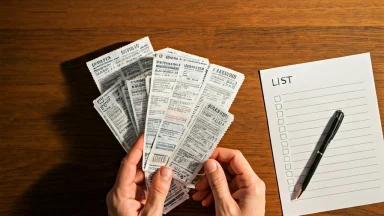
Does your weekly grocery bill feel more like a random number than a planned expense? You’re not alone. Walking into a supermarket without a clear strategy is a surefire way to overspend, as every display, sale tag, and endcap is meticulously designed to trigger impulse buys and drain your wallet. This lack of planning doesn’t just cost you money; it costs you valuable time and mental energy as you wander aimlessly through the aisles, battling decision fatigue with every choice.
Mastering your market trips is a foundational skill in effective household management. It transforms you from a passive consumer into a strategic shopper, fully in control of one of your largest monthly variable expenses. This control is the bedrock of successful budgeting, allowing you to allocate funds more effectively towards savings goals, debt reduction, or other family priorities. By treating your grocery run with the same intention you would any other financial task, you reclaim power over your budget and build habits that foster long-term financial health.
This comprehensive guide will provide you with a step-by-step system to conquer the grocery store. We’ll walk you through the entire process, starting with crucial pre-trip planning, including meal prep, inventory checks, and creating a perfectly organized list. You’ll then learn how to navigate the aisles like a pro, avoiding psychological traps and using techniques like unit price comparison to your advantage. Finally, we’ll cover how to organize your haul at home to minimize food waste, ensuring every dollar you spend is maximized from checkout to your dinner plate.
Why an Organized Market Trip Saves You Time and Money
Walking into a supermarket without a plan is like handing your wallet directly to the store manager. Every colorful display and “special offer” is engineered to trigger impulse buys, silently draining your budget. An organized approach transforms you from a passive consumer into a strategic shopper, putting you in complete control of your spending.
The benefits go far beyond your bank account, reclaiming one of your most valuable assets: your time. A detailed shopping list acts as a map, guiding you efficiently through the aisles and eliminating aimless wandering. This means less time spent in the store, less decision fatigue, and a quicker, more focused trip from start to finish.
This level of planning is the foundation for serious savings and is crucial for taking advantage of powerful tools. With a clear list of what you need, you can proactively seek out deals using printable coupon strategies or earn rewards with the best cashback apps for groceries. Without a plan, these opportunities are often missed in the chaos of shopping.
Ultimately, mastering your grocery expenses is a key element of sound household finance. It’s a fundamental skill in budgeting for beginners and directly impacts your ability to manage monthly expenses effectively. By treating your market trip with intention, you save both time and money, strengthening your overall financial health.
Strategic Planning: Before You Step Foot in the Store
Walking into a supermarket without a plan is like handing your wallet to the store manager. Every display, promotion, and even the store’s layout is engineered to make you spend more. Your defense is a solid strategy, built from the comfort of your home, long before you grab a shopping cart.
This pre-trip ritual is the most critical part of organizing your market run. It sets the foundation for every decision you’ll make in the aisles. Taking the time to prepare ensures you buy what you need, use what you have, and pay the lowest possible price for everything.
Mastering Your Meal Plan: The Foundation of Savings
The single biggest mistake most families make is shopping for items instead of shopping for meals. A meal plan is your roadmap, dictating exactly what you need for the week ahead. Start by deciding on dinners, lunches, and breakfasts, focusing on recipes that might share common ingredients to reduce waste.
By planning your meals, you transform your grocery list from a random collection of wants into a targeted list of needs. This simple step is a core principle in budgeting for beginners, as it directly controls one of your largest variable monthly expenses. A thoughtful meal plan is the first and most powerful step toward conquering your grocery budget.
Inventory Check: What You Already Have
Do you really know what’s hiding in the back of your pantry or the bottom of your freezer? Before you write a single item on your list, you must conduct an inventory check. This isn’t just a quick glance; it’s a thorough audit of your refrigerator, freezer, and pantry shelves.
Failing to check your stock is the number one cause of duplicate purchases and food waste. That half-used bag of rice or forgotten can of tomatoes could be the base of a meal, saving you from buying another. Keep a running list of staples you are low on, but for your weekly shop, only list what’s truly missing for your meal plan.
Crafting the Perfect Grocery List: By Aisle and Need
Your grocery list is your battle plan. A disorganized list leads to wandering the aisles, which is exactly where impulse buys happen. The most effective method is to organize your list by the store’s layout, typically grouping items by aisle or department like produce, dairy, meats, and dry goods.
This organization saves you time and prevents you from backtracking past tempting displays of snacks and sales. Stick to the list with ruthless discipline. If an item isn’t written down, you don’t need it on this trip; it’s a simple rule that builds powerful saving habits.
Digital vs. Paper Lists: Pros and Cons
The classic paper list is simple and effective, offering the satisfaction of physically crossing items off. It requires no battery and has no learning curve. However, paper lists are easy to lose or forget, and they can’t be easily shared or updated in real-time with a partner.
Digital lists, through notes apps or dedicated grocery apps, are always on your phone. They can be shared with family members, who can add items as they notice a need. Many apps even allow you to organize items by aisle automatically, but they can be distracting and are useless if your phone battery dies.
Coupon & Cashback Hunt: Maximizing Your Discounts
With your list of needs finalized, it’s time to go on the offensive and find discounts. This involves a two-pronged attack: finding coupons before you shop and planning for cashback after. Spend some time searching for manufacturer and store coupons that match the specific items on your list.
This is where your savings strategy becomes a game. The goal is to “stack” discounts wherever possible, such as using a manufacturer coupon on an item that is already on sale at the store. A well-executed coupon strategy can slash a significant percentage off your final bill before you even reach the checkout.
Printable vs. Digital Coupons
Digital coupons are incredibly convenient, allowing you to “clip” them directly to your store’s loyalty card with a simple tap in an app. They are impossible to forget at home as long as you have your phone or loyalty card. The downside is that they are typically limited to one-time use per account.
Printable coupons, found on manufacturer websites and coupon portals, sometimes offer higher values than their digital counterparts. Mastering printable coupon strategies can unlock deeper savings, but it requires a printer, ink, and a bit more organization to manage. Many savvy shoppers use a combination of both to maximize their savings potential.
Cashback Apps Integration
The final layer of your savings plan involves cashback apps. Before you head to the store, review apps that offer rebates for specific products. You can often find offers that overlap with items already on your list and for which you also have a coupon.
This is the ultimate “stack,” where you buy a sale item, use a coupon, and then submit your receipt for a cashback rebate. Understanding the best cashback apps for groceries is essential for any serious saver. You simply scan your receipt after shopping to claim your money, turning a single purchase into multiple layers of savings.
| Strategy | Key Benefit |
|---|---|
| Meal Planning | Creates a targeted list of needs, preventing random purchases and reducing food waste. |
| Pantry Inventory Check | Avoids buying duplicates of items you already own, saving money and space. |
| Aisle-Organized List | Saves time, prevents backtracking, and minimizes exposure to tempting impulse-buy zones. |
| Unit Price Comparison | Reveals the true cost of an item, allowing you to choose the best value regardless of brand or package size. |
| Coupon & Cashback Stacking | Maximizes savings by layering multiple discounts on a single purchase. |
| FIFO (First-In, First-Out) Storage | Ensures older items are used first, drastically cutting down on food spoilage and waste. |
Navigating the Aisles: Smart Shopping Techniques
You walk into a grocery store thinking you’re in control, but you’re wrong. Every endcap display, every special offer, and even the store’s layout is engineered to make you spend more. It’s time to stop being a passive participant and start treating your shopping trip like a mission with one objective: save money and get out.
The first step is recognizing that your shopping list is not a suggestion; it is your shield against the store’s psychological warfare. Impulse buys are the enemy of any well-crafted budget, destroying your financial plans one unnecessary item at a time. The most effective defense is a strict offense: never shop hungry, use a cart size appropriate for your list, and refuse to wander down aisles that don’t contain something you need.
This discipline is a fundamental skill that goes beyond the grocery store and is a core part of successful Budgeting for Beginners: Monthly Expenses. By treating your list as a non-negotiable contract with yourself, you reclaim power over your wallet. Resist the temptation of flashy “buy one, get one” offers unless the item was already on your list and you have a plan to use it.
Sticking to Your List and Avoiding Impulse Buys
Your grocery list is the single most powerful tool in your arsenal against overspending. Before you even enter the store, commit to buying only what is written down. Retailers place tempting, high-margin items at eye-level and near the checkout counter precisely to trigger avoid impulse buys behaviors.
To fortify your resolve, consider using headphones to listen to music or a podcast, creating a personal bubble that minimizes your exposure to in-store marketing. Another effective tactic is to set a timer on your phone for the duration of your shopping trip. This creates a sense of urgency that forces you to focus on efficiency rather than leisurely browsing, which is often where impulse decisions are born.
Unit Pricing and Brand Comparison
Stop paying a premium for fancy packaging and a familiar name. The most significant way to compare prices effectively is by ignoring the final price tag and focusing instead on unit pricing. This figure, often in smaller print on the shelf tag, tells you the cost per ounce, pound, or count, revealing the true value of what you are buying.
When you compare the unit price of a store brand against a national brand, you often find the contents are nearly identical but the cost is dramatically lower. This is the secret grocery stores don’t want you to know: brand loyalty is expensive. By choosing the item with the lowest unit price, you ensure your money is going toward the product itself, not its marketing budget. Combining this with Printable Coupon Strategies on the already cheaper item is a master-level savings move.
Home Sweet Home: Organizing Your Haul and Pantry
Your savings don’t stop at the checkout—they die in your fridge. You hunted for deals and used every coupon, but the real money-saving battle happens in your kitchen. Bringing home groceries without a plan is like throwing cash directly into the trash can.
Think about how much food you throw away each month because it spoiled before you could use it. This isn’t just waste; it’s a direct hit to your finances and a major reason many budgets fail. By implementing a system, you protect your investment and turn your grocery haul into weeks of affordable meals.
Efficient Unpacking and Storage
Don’t just dump bags on the counter and walk away, as that’s a recipe for spoilage. Unpacking with purpose is your first line of defense. Group items as you unpack: pantry goods, fridge items, and freezer-bound products to create an assembly line that makes putting everything away fast and logical.
Take a few extra minutes for simple meal prep tasks that will save you time and money later. Wash and chop vegetables for easy snacking or adding to recipes, and portion out meats before freezing. This small upfront effort dramatically increases the chances you’ll actually use what you bought.
Pantry & Fridge Organization for Longevity
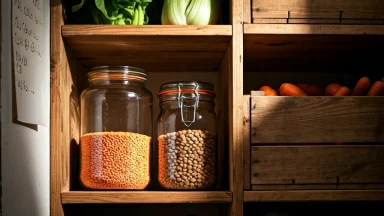
Your pantry and fridge should not be a black hole where food goes to be forgotten. Implement the “First-In, First-Out” (FIFO) method for serious food waste reduction. When you buy a new jar of pasta sauce, place it behind the one you already have to ensure you use the older items first.
Use clear, stackable containers for dry goods to see your inventory at a glance and prevent duplicate purchases. These simple pantry organization tricks are key to keeping grocery spending in check. This control is a core principle in any good plan for Budgeting for Beginners: Monthly Expenses.
Creating designated zones in your fridge and pantry makes finding items effortless and helps you assess what’s running low. These strategic grocery storage tips transform your kitchen into a model of efficiency. Consider these specific zones:
- Produce Zone: Keep ethylene-producing fruits (like apples and bananas) away from sensitive vegetables to prevent premature ripening and spoilage.
- Ready-to-Eat Shelf: Use a top, eye-level shelf for leftovers and foods that need to be eaten soon, keeping them visible and top-of-mind.
- Door Storage: The fridge door is the warmest part; reserve it for less perishable items like condiments, pickles, and bottled water.
- Pantry Categories: Group like items together, such as a “baking” section with flour and sugar or a “breakfast” area with oats and cereal.
Advanced Market Hacks: Seasonal Buys & Bulk Savings
You think your shopping list has you covered? True savings masters play a different game entirely. They operate on the market’s calendar, leveraging seasonal shopping to get premium produce for pennies on the dollar. Why pay a premium for berries in winter when they’re cheap and delicious in the spring? This simple shift in timing separates the amateurs from the experts who consistently slash their grocery bills.
Don’t fall for the “bigger is better” trap that stores want you to believe. A smart bulk buying strategy is not about hoarding giant packages; it’s about doing the math. Always calculate the price per unit to see if you’re actually getting a deal, and be brutally honest about whether your family will consume it all before it expires. Wasted food is wasted money, no matter how cheap it was initially.
The final power move is stacking your savings for an unbeatable advantage. Combine your seasonal and bulk buys with store loyalty programs for maximum impact. When you also use one of the best cashback apps for groceries, you’re not just saving money—you’re getting paid to shop. This multi-layered approach is how you truly conquer the grocery game and take control of your budget.
Adapting Your Strategy: Overcoming Common Shopping Challenges
You’ve built the perfect shopping list and planned every meal down to the last spice. But the moment you enter the store, that flawless plan can crumble. Real savings don’t come from a rigid spreadsheet; they come from mastering the art of the pivot. The most successful shoppers know that challenges aren’t roadblocks—they’re opportunities to save even more money.
Forget the fantasy of a perfect shopping trip where every item is in stock and on sale. The real world is messy, with unexpected stockouts, tempting impulse buys, and family members who suddenly hate your meal plan. Your ability to adapt your strategy on the fly is what separates a stressed-out spender from a savvy saver who always comes out ahead.
When Plans Change: Flexibility in Meal Prep
Stop treating your meal plan like an unbreakable contract. A truly effective strategy embraces flexible meal planning. Instead of planning seven specific dinners, think in terms of core ingredients and modular meals. Have a list of “base” proteins and vegetables that can be combined in multiple ways, allowing you to adapt based on what’s actually on sale when you get to the store.
This approach gives you incredible power. If chicken breast is unexpectedly expensive but pork loin is on deep discount, you can swap it without derailing your entire week. This method requires a well-stocked pantry with staples like pasta, rice, canned tomatoes, and spices, but it frees you from the tyranny of a list that doesn’t align with in-store reality.
Dealing with Stockouts and Substitutions
An empty shelf where your favorite brand of yogurt should be isn’t a disaster; it’s a test of your skills. The first step is to never be emotionally attached to one specific brand. Brand loyalty is often a budget-killer, and a stockout forces you to explore store brands or competitors that might be cheaper and just as good.
Before you leave for the store, have a mental or physical note of potential substitutes for key items. If your recipe calls for fresh broccoli and there’s none, could you use frozen broccoli or even cauliflower? Being prepared with a Plan B (and C) means you won’t be tempted to overspend on a less-ideal, more expensive alternative out of desperation. This is also a great time to check for digital offers or reconsider your printable coupon strategies for an alternative product.
Involving the Family: A Team Effort
Are you the only person in your household who acts like the budget matters? It’s time to stop being the sole grocery gatekeeper and turn your family into a savings team. When everyone feels involved in the process, they are far more likely to stick to the plan and less likely to add budget-busting items to the cart. This turns a solo chore into a shared mission.
Assign specific roles or categories to different family members. One person can be in charge of finding the best deals on snacks, while another is responsible for tracking down produce. This division of labor not only makes the trip faster but also creates a sense of ownership over the budget. You’re no longer the “bad guy” saying no; you’re all working toward a common financial goal.
Teaching Kids About Budgeting
Don’t shield your children from the financial realities of running a household. Involving them in grocery shopping is a powerful, hands-on lesson in personal finance. Give older kids a small portion of the budget, like $10 for the week’s snacks or breakfast cereal, and let them make the purchasing decisions. They will quickly learn about trade-offs and value.
This simple exercise teaches them that money is a finite resource. If they choose the expensive character-branded cereal, they may not have enough left for their favorite granola bars. These small-scale decisions are low-risk training for bigger financial choices they will face later in life, making it a crucial part of their education.
Reviewing and Refining Your Process
Your market organization strategy should never be set in stone. What worked last month might not work this month. At the end of each billing cycle, take 15 minutes to review your grocery receipts and assess your performance. Where did you overspend? Which substitutions worked out well? Were there any surprise sales you capitalized on?
This regular review process is where you find opportunities for continuous improvement. Perhaps you notice you’re consistently going over on beverages or that your family involvement plan isn’t working as intended. Making small budget adjustments and refining your approach each month ensures your strategy evolves and remains effective, keeping your household finances on track.
Take Control of Your Grocery Budget for Good
Organizing your market trip is more than just a chore; it’s a powerful act of financial self-care. By moving from haphazard shopping to intentional planning, you transform a weekly expense into a predictable and manageable part of your budget. The strategies outlined—from meticulous meal planning and list-making to smart in-store navigation and post-shopping organization—are not just tips, but a complete system for saving both time and money.
Embrace these habits and watch the impact on your bank account. Each trip where you stick to your list, compare unit prices, and reduce food waste at home is a victory. You are no longer a passive participant in the grocery store’s game; you are the one in control, making every dollar work for you and strengthening your household’s financial foundation.
Frequently Asked Questions
How often should I organize my grocery list?
You should organize your grocery list before every single market trip to maximize savings and efficiency. For a standard weekly shopping routine, this means creating a new, organized list once a week. This practice ensures your list is perfectly aligned with your current meal plan and pantry inventory, which is the best defense against impulse buys and forgetting essential items.
What’s the best way to store fresh produce to make it last longer?
To extend the life of fresh produce, store ethylene-producing fruits like apples and bananas separately from ethylene-sensitive vegetables like lettuce and carrots. Use your refrigerator’s crisper drawers to maintain optimal humidity levels. It’s also wise to wait to wash produce until just before you use it, as excess moisture can accelerate spoilage and lead to waste.
Can I really save money by planning my market trips?
Absolutely. Planning is the single most effective way to save money on groceries. A well-organized trip helps you eliminate costly impulse buys, which stores are designed to encourage. Furthermore, planning allows you to strategically build your shopping list around sales, use coupons for items you actually need, and avoid purchasing duplicates of things you already have at home.