Is your weekly grocery bill slowly but surely sabotaging your entire household budget? For many families, a trip to the supermarket feels less like a simple errand and more like a financial battleground where hidden costs and tempting displays lie in wait. Walking through those automatic doors without a solid strategy is an open invitation to overspend, succumb to impulse buys, and ultimately waste both food and money. True financial control doesn’t come from deprivation, but from discipline and organization—a system that begins long before you ever grab a shopping cart.
Effective market organization is the secret weapon for transforming this weekly chore into a streamlined, cost-saving mission. It’s a holistic approach that extends beyond a simple shopping list, encompassing everything from what you plan to eat to how you navigate the store and store your purchases at home. By creating a deliberate process, you combat the sophisticated marketing tactics designed to part you from your cash, reduce decision fatigue, and ensure every dollar spent is a conscious choice that aligns with your financial goals and family’s needs.
This comprehensive guide will provide you with the expert tips needed to master every stage of the shopping process. We will delve into the art of strategic meal planning and how to build an intelligent grocery list that acts as your roadmap to savings. You’ll learn how to navigate the aisles like a pro, decode unit pricing, and avoid common psychological traps. Furthermore, we’ll explore how to amplify your savings by leveraging coupons and cashback apps, and finally, how to master post-market storage to eliminate food waste and protect your investment. Prepare to take back control and turn your grocery shopping into a powerful tool for building wealth.
The Foundation of Frugal Shopping: Why Organization Matters
Are your weekly grocery trips derailing your entire financial plan? Walking into a supermarket without a clear strategy is one of the fastest ways to sabotage your savings goals. This lack of preparation turns a simple errand into a high-stakes gamble with your household funds, where impulse buys and forgotten items chip away at your hard-earned money. True frugal shopping isn’t about deprivation; it’s about control, and control begins long before you grab a cart.
Effective market organization transforms your shopping experience from a chaotic scramble into a streamlined, efficient mission. Instead of wandering aimlessly through aisles, a well-structured plan directs your every move, drastically cutting down the time you spend in the store. This improved market efficiency also directly combats food waste, as your purchases are tied to a specific purpose, like what’s in your *Weekly Meal Planning Guide for Busy Parents*, rather than succumbing to “buy one, get one” deals for items you’ll never use.
Ultimately, a disciplined approach to grocery shopping is the bedrock of sustainable family savings. It creates a predictable and manageable expense category, making your overall budget planning far more accurate and effective. When you have a solid organizational system, you can then layer on more advanced techniques, such as *Maximizing Cashback Rewards for Families*, with much greater impact. Without this foundation, you’re simply leaving money on the table every single week.
Pre-Market Prep: Your Blueprint for Success
Walking into a grocery store without a plan is not just disorganized; it’s financial self-sabotage. Every unplanned aisle, every impulse purchase, is a silent drain on your family’s budget. The battle for savings is won or lost before you even grab a shopping cart, and it all begins with rigorous, non-negotiable preparation.
Mastering the Art of Meal Planning
Stop thinking of meal planning as a chore and start seeing it as the single most powerful weapon in your savings arsenal. This is where you dictate your spending, not the weekly sales flyers or tempting end-cap displays. A well-thought-out meal plan eliminates the daily “what’s for dinner?” panic that leads to expensive takeout orders or last-minute, high-priced grocery runs.
Weekly vs. Monthly Planning Strategies
Are you a weekly strategist or a monthly commander? A weekly plan offers flexibility and allows you to capitalize on fresh produce sales, making it ideal for most families. For those with busy schedules, our Weekly Meal Planning Guide for Busy Parents can transform this task. A monthly plan, however, is a more advanced strategy that requires significant freezer space and a deep pantry, but it can lock in savings on bulk purchases for weeks at a time.
Incorporating Leftovers and Pantry Staples
Your pantry and refrigerator are not graveyards for forgotten food; they are treasure chests of savings. Before you plan a single new meal, conduct a thorough inventory check. Challenge yourself to build at least two meals per week around what you already own. That half-empty box of pasta, can of beans, and frozen chicken breast are not clutter—they are the foundation of a free meal if you’re creative enough to use them.
The Intelligent Grocery List: More Than Just Items
Your grocery list should be a surgical tool, not a vague wish list. A simple list of “milk, bread, eggs” is an open invitation for impulse buys and budget overruns. An intelligent list is your shield against marketing tactics, guiding you through the store with focus and purpose, ensuring you leave with exactly what you need and nothing you don’t.
Categorizing Your List for Efficiency
Why are you still zig-zagging across the grocery store? An uncategorized list is a recipe for wasted time and backtracking, which inevitably leads you past tempting displays again and again. Group your items by store section: produce, dairy, meats, dry goods, frozen foods. This turns your shopping trip into an efficient mission, getting you in and out faster with fewer opportunities to stray from your plan.
Prioritizing Needs vs. Wants for Budget Control
This is where ruthless honesty is required. That artisanal cheese, those gourmet cookies, the flavored sparkling water—are they truly needs? A smart list forces you to confront this question before you’re standing in the aisle. Mark your absolute essentials (the “needs”) and then list your “wants” separately. If the budget is tight, the wants are the first to go, no debate needed.
Setting Your Market Budget and Sticking to It
A budget isn’t a restriction; it’s the rulebook for a game you intend to win. Before you shop, you must perform a clear budget allocation for groceries. This number, derived from your overall household budget, is your hard spending limit. Tracking your total on a calculator as you shop is not micromanagement; it is active financial defense against overspending. This discipline is a core concept covered in our Budgeting for Groceries: A Step-by-Step Guide.
| Strategy Phase | Key Action for Maximum Savings |
|---|---|
| Pre-Market Preparation | Create a weekly meal plan based on pantry inventory and build a categorized grocery list. |
| In-Store Navigation | Shop the store’s perimeter first, stick to your list, and analyze unit prices to find the best value. |
| Savings Amplification | Combine digital and printed coupons with store loyalty programs and cashback app submissions. |
| Post-Market Mastery | Organize your pantry and fridge using the ‘first-in, first-out’ method and store produce correctly to prevent spoilage. |
Navigating the Aisles: Smart Shopping Strategies
Once you step inside the store, your carefully crafted list faces its greatest challenge: the store itself. Every element, from the floor plan to the music, is designed to influence your spending. Employing smart in-store tips is not just about saving money; it is about regaining control of your shopping experience and making intentional choices that align with your budget.
Strategic Store Layout Exploration and Time Management
Grocery stores are deliberately designed to guide you past tempting, high-profit items. A classic strategy to counter this is to shop the perimeter of the store first, where fresh foods like produce, dairy, and meats are typically located. By filling your cart with these essentials from your list, you leave less room and budget for the processed-food-heavy center aisles. This tactic is most effective when you have a clear mission, guided by something like a Weekly Meal Planning Guide for Busy Parents.
How and when you shop also has a significant impact on your ability to avoid impulse buys. Never shop when you are hungry, tired, or rushed, as these states make you more susceptible to making poor financial decisions. Set a specific time for your grocery run when you feel calm and focused, allowing you to compare prices and stick to your plan without feeling pressured. Treating your shopping trip like a scheduled appointment can transform it from a chaotic chore into a focused financial task.
Decoding Unit Prices and Bulk Buying Wisdom
One of the most powerful grocery store tactics at your disposal is understanding unit pricing. Look for the price per ounce, pound, or count on the shelf tag, which allows you to make a true apples-to-apples comparison between different brands and package sizes. A larger box may seem like a better deal, but the unit price reveals the real cost and is the only way to know for sure.
Bulk buying can offer significant savings, but it requires careful consideration. Before purchasing a large quantity of an item, confirm that the unit price is genuinely lower than the smaller version. You must also have adequate storage space and be certain you will use the product before it expires to prevent food waste from negating your savings. Combining these bulk discounts with other methods, as detailed in our guide to Coupon Strategies for Beginners, can lead to substantial reductions in your grocery bill.
Leveraging Savings: Coupons, Cashback, and Loyalty Programs
Are you truly squeezing every last cent of savings from your grocery budget? A well-organized list is a great start, but it’s only half the battle. If you’re walking past the coupon kiosk and ignoring cashback apps, you are voluntarily paying more than you have to. It’s time to stop leaving money on the table and start weaponizing these tools for maximum financial impact.
Think of coupons, cashback, and loyalty points not as occasional perks, but as a crucial part of your market organization. Integrating these savings methods directly into your planning transforms a simple shopping trip into a strategic financial mission. This approach is a core part of any serious plan for Budgeting for Groceries: A Step-by-Step Guide and will fundamentally change your checkout totals.
The Synergy of Digital and Printed Coupons
Choosing between digital and printed coupons is a false dilemma; the real power lies in using both. Relying on just one format means you’re missing out on exclusive deals tied to the other. A savvy shopper builds a comprehensive savings plan by combining the convenience of digital coupons with the sometimes unique offers found in traditional flyers and mailers.
Start by checking your store’s app and website for digital offers that match your shopping list, clipping them directly to your account. Then, comb through Sunday papers and in-store displays for printed coupons that can be stacked or used for items without a digital equivalent. This two-pronged attack ensures you have the most opportunities to save on the items you were already planning to buy.
Maximizing Rewards with Cashback Apps and Store Programs
Don’t dismiss store loyalty cards as just a way for retailers to track you; they are your ticket to exclusive prices and rewards. Your organized shopping list is the key to unlocking their true potential. Before you shop, cross-reference your list with your store’s loyalty rewards program to see if your planned purchases can earn you points or unlock special discounts.
The next level of savings comes from “stacking” these rewards with cashback apps. After your shopping trip, simply scan your receipt into an app to earn money back on specific items, often on top of the discounts you already received in-store. This strategy of combining store loyalty benefits with third-party app rewards is a game-changer, and you can learn more by exploring how to start Maximizing Cashback Rewards for Families. This entire process is made simpler when you know exactly what you’re buying, a benefit of following a Weekly Meal Planning Guide for Busy Parents.
Post-Market Mastery: Storage and Meal Preservation
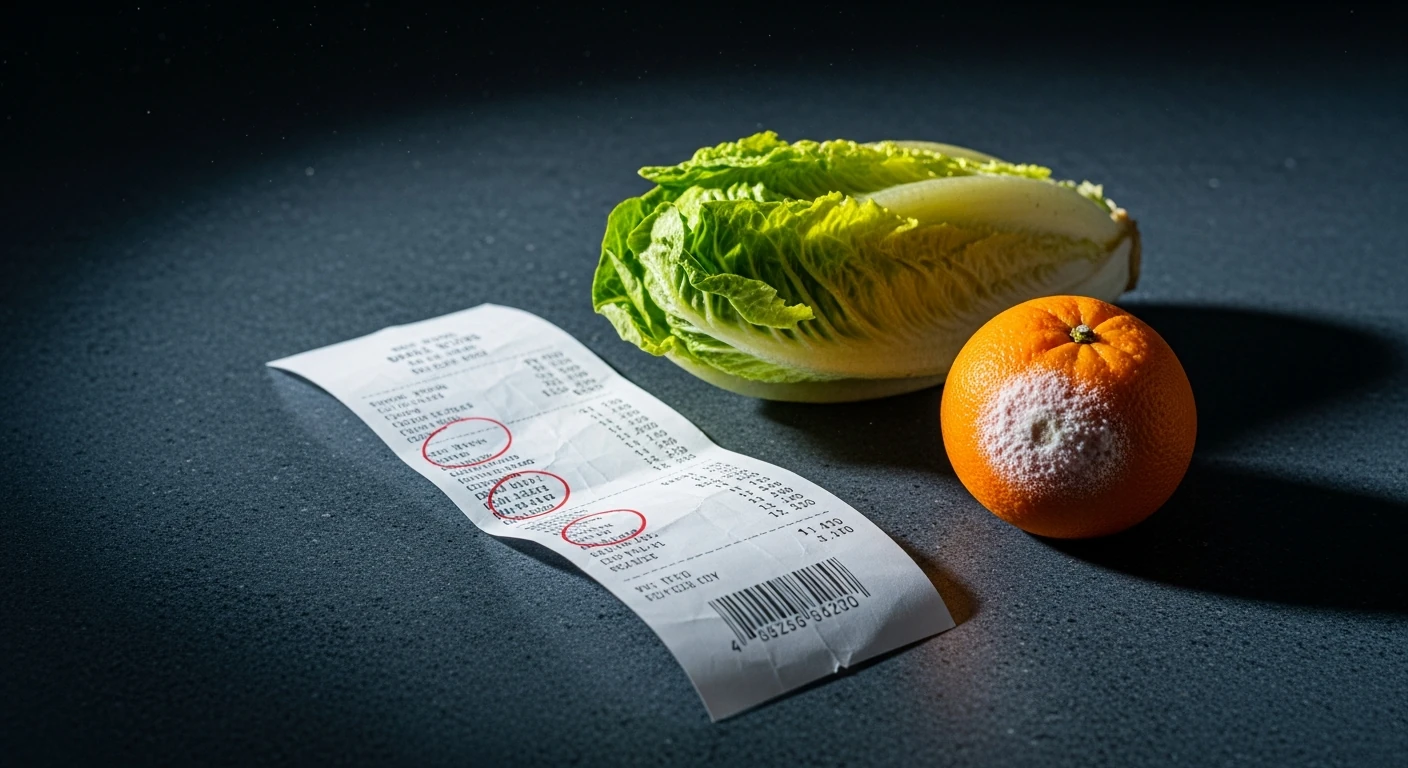
Think your savings mission ends at the checkout line? You’re sabotaging your own budget if you just dump groceries randomly into the fridge and pantry. Proper storage is the final, critical step in protecting the money you worked so hard to save, turning your grocery haul into a long-term asset instead of a ticking clock towards food waste.
Mastering a few key food storage tips is non-negotiable for any serious saver. Keep ethylene-producing fruits like apples and bananas separate from sensitive vegetables to prevent premature wilting and spoilage. For dry goods, effective pantry organization using the “first-in, first-out” method ensures you use what you bought first, preventing items from expiring in the back of a dark shelf and helping to extend shelf life.
This disciplined approach directly fuels your ability to reduce food waste and makes future cooking sessions infinitely easier. When ingredients are stored correctly and are easy to find, meal prep transforms from a chaotic scavenger hunt into a streamlined process. This organization is the secret to truly benefiting from a Weekly Meal Planning Guide for Busy Parents, ensuring every dollar spent on food ends up on your plate, not in the trash.
From Chaos to Control: Reclaiming Your Grocery Budget
Mastering market organization is not about adding another complicated chore to your week; it’s about fundamentally shifting your relationship with grocery shopping from a reactive scramble to a proactive, strategic mission. By implementing a system that includes pre-market planning, disciplined in-store navigation, savvy savings amplification, and proper post-trip storage, you are no longer a passive consumer. Instead, you become the active manager of your food budget, systematically cutting waste, avoiding marketing traps, and ensuring every dollar is spent with purpose. This control is the true foundation of lasting family savings.
Frequently Asked Questions About Market Organization
How can I create an effective grocery list that saves time and money?
An effective grocery list starts with a meal plan. Base your list on the ingredients you need for the week’s meals, after checking your pantry for items you already have. To save time in the store, categorize your list by section, such as produce, dairy, and dry goods, mirroring the layout of your preferred supermarket. This prevents backtracking and reduces the chance of impulse buys.
What’s the best way to save money on groceries using expert market organization tips?
The best way is to use a multi-layered strategy. First, plan your meals and create a detailed, categorized list. In the store, focus on unit pricing rather than just the final price to ensure you’re getting the best deal. Finally, consistently use coupons and cashback apps for items on your list to stack your savings and maximize your budget.
How do I avoid impulse purchases at the supermarket?
The most effective defense against impulse buys is a strict, well-organized shopping list. Commit to only buying what is written on it. Additionally, never shop when you’re hungry, tired, or rushed, as these states make you more susceptible to temptation. Shopping the perimeter of the store first can also help, as you fill your cart with essentials before hitting the snack-heavy center aisles.
What are some tips for storing fresh produce to make it last longer?
To extend the life of fresh produce, store it correctly. Keep ethylene-producing fruits (like apples, bananas, and tomatoes) separate from ethylene-sensitive vegetables (like lettuce, broccoli, and carrots) to prevent premature ripening and spoilage. Store leafy greens with a paper towel in an airtight container to absorb excess moisture, and keep items like potatoes and onions in a cool, dark, dry place.
Is meal planning really worth the effort for busy families trying to save money?
Absolutely. Meal planning is one of the most impactful money-saving habits for busy families. It eliminates the stress and expense of last-minute dinner decisions, which often lead to costly takeout or extra grocery trips. By assigning a purpose to every food item you buy, it drastically reduces food waste and ensures you’re using your budget efficiently.