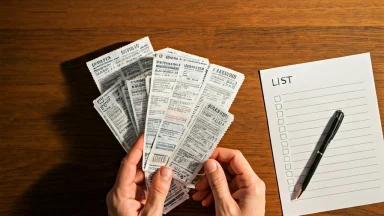
Does your weekly trip to the grocery store feel less like an errand and more like a battle for your budget? You are not alone. With rising food costs and clever in-store marketing designed to encourage impulse buys, many families find their grocery bills spiraling out of control, causing financial stress and undermining savings goals. Walking the aisles without a clear strategy is an open invitation to overspend, resulting in forgotten items, duplicate purchases, and wasted food that ends up in the trash along with your hard-earned money.
This is where the power of market organization transforms your shopping habits from a reactive chore into a proactive, cost-saving mission. It’s a comprehensive approach that extends far beyond simply making a list. True market organization involves a holistic system that begins in your kitchen with inventory checks and strategic meal planning, incorporates modern digital tools like cashback apps and coupons, and guides your navigation through the store to avoid common psychological traps. It is the cornerstone of effective household economics and the key to unlocking significant savings.
This guide provides a complete framework to help you master market organization and reclaim control over your family’s grocery spending. We will walk you through every step of the process, from building a meal plan around what you already own to deploying a digital savings arsenal of apps and deals. You’ll learn how to navigate the store with purpose, identify true bargains, and implement smart post-shopping strategies to drastically reduce food waste. Prepare to turn your grocery bill from a source of anxiety into a predictable, manageable expense.
The Foundation of Frugality: Why Market Organization Matters
Walking into a grocery store without a plan is like walking into a financial trap. Every colorful display and “special offer” is designed to make you spend more, turning a simple errand into a significant drain on your family’s resources. Without a strategy, you’re not just shopping; you’re actively losing money every week.
This lack of preparation leads to impulse buys, forgotten items, and, worst of all, wasted food that gets thrown away. Think about the stress of last-minute dinner decisions or the frustration of realizing you bought something you already had. This chaos directly impacts your wallet and your peace of mind, undermining your efforts at maintaining a stable family budget.
This is where market organization becomes your most powerful tool. It transforms your shopping trips from a guessing game into a deliberate, cost-saving mission. By simply planning what you need before you go, you take back control from the store’s marketing tactics and stick to your budget with confidence.
Mastering this skill is the cornerstone of effective household saving and is a key part of our smart grocery shopping tips to cut costs. It’s not just about saving a few dollars; it’s about building a foundation for long-term financial health. When combined with effective meal planning for busy families, a well-organized approach to the market ensures every dollar is spent with purpose.
Master Your Meal Plan: The Pre-Shopping Strategy
Are you letting the grocery store dictate your family’s budget and dinner table? Walking into a supermarket without a plan is a form of financial self-sabotage, an open invitation for clever marketing and impulse buys to drain your wallet. The most powerful act of rebellion against inflated grocery bills happens before you even leave your house with a strategy for strategic shopping.
Taking Stock: What You Already Have at Home
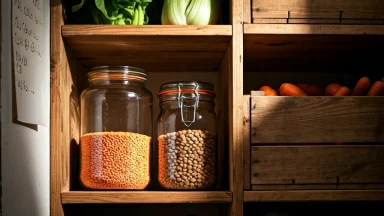
Think of your pantry, fridge, and freezer as a treasure chest of savings waiting to be unlocked. Before even thinking about what to buy, you must conduct a thorough inventory check of what you already own. This simple ten-minute audit prevents you from buying duplicate items and forces you to use food before it expires, directly fighting food waste and saving money.
Create a simple list divided into three columns: pantry, refrigerator, and freezer. Quickly jot down staples like pasta, rice, canned goods, and any proteins or vegetables you have on hand. This is not about micromanagement; it’s about creating a clear picture of your current assets to build a smarter shopping list from.
Crafting a Weekly Meal Plan That Works for Your Family
With your inventory list in hand, the real work of meal planning for budget conscious families begins. Stop starting from scratch; instead, build your meals around the ingredients you already possess. That half-bag of frozen broccoli and a pack of chicken thighs are no longer forgotten items but the foundation for Tuesday night’s dinner.
Challenge yourself to create at least two or three meals solely from your existing inventory. For the remaining days, consult weekly sales flyers to see which proteins, produce, and pantry staples are on sale and plan meals around those deals. This method is central to many guides on meal planning for busy families, as it simplifies decision-making and aligns with your budget.
- Look for Overlap: Plan meals that share ingredients. If you buy a large bag of carrots, use them in a stir-fry one night and as a roasted side dish another.
- Theme Your Nights: Designate specific themes like “Taco Tuesday” or “Pasta Friday” to streamline planning and get the family excited.
- Plan for Leftovers: Cook a larger portion for dinner and designate the leftovers for the next day’s lunch, eliminating the need to buy expensive convenience foods.
Once you have a solid meal plan, your grocery list creation becomes a simple task of filling in the gaps. Your list is now a surgical tool, not a vague wish list. To maximize savings, cross-reference your list with our guides on couponing strategies for beginners and the top cashback apps review before heading to the store.
| Strategy Phase | Key Actions |
|---|---|
| Pre-Shopping Preparation | Conduct a pantry and fridge inventory, create a weekly meal plan based on sales and existing items, and build a detailed grocery list. |
| Savings Tools & Technology | Clip digital and paper coupons, utilize cashback apps for rebates, and use store apps to compare prices on key items. |
| In-Store Tactics | Strictly follow your shopping list, analyze the unit price to identify true deals, and consciously avoid impulse buy zones like end-caps and checkout lanes. |
| Post-Shopping Management | Use proper food storage techniques to extend freshness, plan for and repurpose leftovers to minimize waste, and track your spending against your budget. |
Your Ultimate Savings Arsenal: Coupons, Deals & Digital Tools
Stop leaving money on the table. A well-organized shopping list is your plan of attack, but the real victory is won by deploying a powerful arsenal of savings tools. Combining traditional methods with modern technology transforms your grocery run from a necessary expense into a strategic win for your family’s budget. This is where you move from simple planning to actively slashing your spending.
Maximizing Traditional and Digital Coupons
Coupons are no longer just about clipping from the Sunday paper; they have evolved into a dynamic savings tool. The key is to understand the different types available: manufacturer coupons, issued by the brand, and store coupons, offered by the retailer itself. Many stores allow you to “stack” these, applying both a manufacturer and a store coupon to a single item for maximum discount.
Embrace the digital age by downloading your grocery store’s app and exploring coupon websites. These platforms offer digital coupons you can “clip” with a single click and are automatically applied at checkout when you use your loyalty card. For those just starting, mastering a few simple couponing strategies for beginners can immediately reduce your grocery bill without overwhelming you.
The Power of Cashback Programs and Apps
Imagine getting paid to shop for groceries you were already going to buy. That’s the simple premise behind cashback apps and programs. These services reward you with a percentage of your purchase total back in cash, which you can often redeem via PayPal or as a gift card. It’s a foundational tool for anyone serious about smart grocery shopping.
Most cashback platforms work in one of two ways: you either link your store loyalty card for automatic rewards or scan your receipt after shopping to claim offers. The best part is that cashback is applied after all other discounts, including coupons. Finding the right service is crucial, and a reliable top cashback apps review can guide you to the platforms that offer the best returns for the stores you frequent.
Smart Price Comparison Tactics
Loyalty to a single grocery store can be costly. Prices on everyday items can vary significantly between competitors, and assuming your usual spot is the cheapest is a common budget mistake. Effective market organization includes knowing where to find the best price on the items you need most, which requires a little bit of digital legwork before you leave the house.
Using Store Apps and Loyalty Programs Effectively
Your phone is a powerful tool for price comparison. Nearly every major grocery chain has an app that showcases its weekly digital flyer, allowing you to quickly spot sales on items from your list. Beyond just sales, these apps are the gateway to store-specific digital coupons and loyalty programs that offer personalized deals or points-based rewards, like discounts on future purchases or savings on fuel.
When and How to Buy in Bulk
Buying in bulk can offer substantial savings, but only when done strategically. A larger package does not automatically mean a better deal. The secret is to always check the unit price—the cost per ounce, per pound, or per item—which is usually listed on the shelf tag. This figure tells you the true cost and allows for an accurate comparison between different-sized products.
Before you load up your cart, consider your family’s actual consumption rate and your available storage space. There’s no value in buying a giant container of oatmeal if it goes stale before you can finish it. This is where meal planning for busy families plays a critical role, as it gives you a clear picture of what you’ll use. Focus bulk purchases on non-perishable staples like rice, pasta, canned goods, and paper products that you know you will always need.
Smart Shopping Tactics: Navigating the Store with Purpose
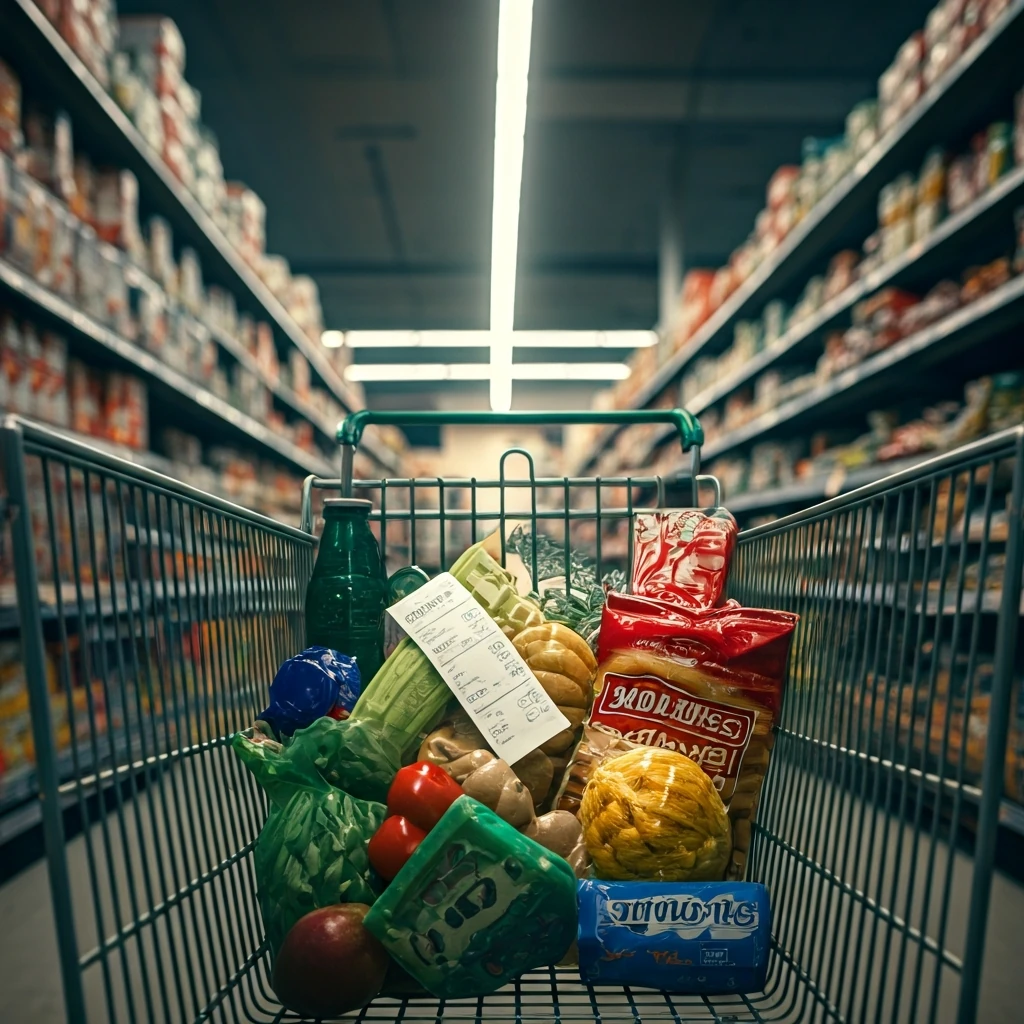
Think you’re in control at the grocery store? Think again. Every vibrant display, every comforting smell, and every “special” offer is a carefully crafted trap designed to separate you from your money. Navigating the aisles isn’t just shopping; it’s a psychological battleground where your budget is the prize, and you need a strategy for grocery store navigation to win.
Sticking to Your List (Mostly): Discipline vs. Deals
Your shopping list is more than a reminder; it’s your primary defense against a store’s layout. Retailers spend millions to encourage impulse buys, and your only counter-attack is unwavering discipline. Treat your list like a mission-critical document, ignoring the siren song of end-cap displays and checkout lane temptations that were never part of your plan for avoiding impulse buys.
But what about a genuinely amazing deal? This is where discipline meets opportunity. If a staple item you use constantly is on a deep discount, buying it might be a smart move, but only if it doesn’t derail your entire budget. This isn’t an excuse for random purchases; it’s a calculated decision, often enhanced by mastering foundational couponing strategies for beginners to maximize the savings.
Understanding Unit Pricing and Identifying True Sales
Retailers hide the truth in plain sight with unit pricing explained on the shelf tag, yet most shoppers ignore it. They want you to compare big, bold sale prices, not the tiny print showing cost per ounce or per count. This number is your key to identifying a true bargain, often revealing that the larger package is cheaper in the long run, a core concept in smart grocery shopping tips to cut costs.
Do not fall for the illusion of a sale. A bright yellow tag doesn’t automatically mean you’re saving money; it is often just marketing noise designed to create urgency. True value comes from comparing the unit price against the item’s regular price or even a competitor’s price. Some of the best in-store shopping tips revolve around being a skeptic first and a shopper second.
You can combine this knowledge with technology to truly level the playing field. Using one of the top cashback apps can help you track prices over time and add another layer of savings on top of a genuinely good deal. This transforms you from a passive consumer into an active adversary against inflated pricing, ensuring your money works for you, not the store’s marketing department.
Post-Shopping Smarts: Storage, Waste & Budget Review
You think the battle for your budget is won at the checkout counter? That’s a rookie mistake. The most critical phase of market organization begins the moment you get home, where your smart purchases can either nourish your family or slowly rot in the back of your fridge, taking your money with them.
Your kitchen isn’t just a place to cook; it’s the final battleground for your grocery budget. Every item you save from spoiling and every dollar you account for is a victory. Stop letting laziness and disorganization sabotage the savings you worked so hard to secure at the store.
Optimal Food Storage for Longevity
Stop throwing money directly into the trash. Every limp vegetable and moldy piece of fruit represents a failure to protect your investment. Treat your groceries with the respect your wallet deserves by mastering a few simple food storage tips that most people ignore.
Keep leafy greens and herbs fresh by trimming their stems and storing them upright in a jar of water, like a bouquet of flowers. Separate fruits and vegetables that produce ethylene gas—like bananas, avocados, and apples—from those sensitive to it, such as leafy greens and carrots, to prevent premature ripening. Store pantry staples like flour, rice, and pasta in airtight containers to lock out moisture and pests, extending their life indefinitely.
Creative Ways to Use Leftovers and Reduce Waste
That half-eaten container of rice isn’t just a leftover; it’s an asset. Reducing food waste is not about being a miser; it’s about being a genius with your resources. Challenge yourself to see potential in every scrap and leftover, transforming what others would discard into delicious, budget-saving meals.
Designate an “eat me first” box in your refrigerator for items nearing their expiration date. Keep a bag in your freezer for vegetable scraps like onion peels, carrot ends, and celery tops to make free, flavorful broth later. Stale bread becomes croutons or breadcrumbs, and overripe fruit is perfect for smoothies or baking into muffins, proving that a little creativity is your best defense against waste.
Quick Meal Prep for Busy Weeks
The Sunday scramble for takeout is a classic budget-killer. Fight back with strategic, simple meal prep that weaponizes your groceries against impulse spending. This isn’t about cooking for hours; it’s about giving your future self a fighting chance. If your schedule is packed, a solid strategy built around meal planning for busy families is non-negotiable.
Spend one hour after your shopping trip to wash and chop vegetables, cook a large batch of grains like quinoa or rice, and portion out proteins. Storing these components in separate containers turns weeknight dinners into a simple assembly job, not a full-blown cooking project. This small upfront effort builds a firewall around your wallet for the entire week.
Tracking and Adjusting Your Grocery Budget
Do you actually know where your grocery money goes, or are you just guessing? A budget without review is just a suggestion. It’s time to get serious about tracking grocery spending and hold yourself accountable for every dollar that leaves your account.
After each shopping trip, sit down with your receipt and log the expenses into a spreadsheet or a budgeting app. Some of the tools discussed in a top cashback apps review even offer features to help categorize and track your spending automatically. This isn’t about shaming yourself for buying a treat; it’s about gathering the data you need to make smarter decisions next time.
Monthly Budget Check-in and Goal Setting
Your grocery budget is not a static document; it’s a dynamic battle plan that requires constant adjustment. A monthly budget review is your strategy session. This is where you analyze your performance, identify weaknesses, and prepare for the next month’s offensive against high prices.
At the end of each month, compare your total spending against your initial budget. Did you overspend on snacks? Did your couponing efforts pay off? Use this information to set concrete goals, such as “reduce coffee spending by 10%” or “try two new leftover-based recipes.” This process of reflection and goal-setting is the core of any successful budgeting for beginners: a comprehensive guide and is what separates amateur savers from true financial masters.
Making It a Lifestyle: Sustaining Your Organized Shopping Habits
Are you ready to stop *trying* to save money and actually start *doing* it? The difference between a temporary fix and true financial control is consistency. A one-off organized trip is a good start, but a sustained market organization routine is what builds real wealth and eliminates the constant stress of overspending.
Don’t treat this as another chore; reframe it as a core part of your family financial planning. Every planned list, every coupon clipped, and every dollar earned back using one of the top cashback apps reviewed on our site contributes to a larger goal. This isn’t just about penny-pinching; it’s about buying back your time and mental energy for the things that truly matter.
Integrating these sustainable grocery habits makes them second nature, freeing you from decision fatigue. When combined with effective meal planning for busy families, this system becomes an automatic pilot for savings. You’ll stop worrying about your grocery bill because you’ll be living a life where waste is minimized and value is maximized.
Ultimately, this discipline provides more than just long-term savings; it delivers freedom. Stop letting grocery store chaos dictate your budget and your mood. Take control, make it a lifestyle, and watch your financial well-being transform from a source of anxiety into a point of pride.
From Shopper to Strategist: Your Path to Lasting Savings
You have now explored the complete lifecycle of smart grocery shopping, from the initial planning stages at your kitchen table to the final act of storing food and tracking your budget. The journey from a reactive shopper to a financial strategist is built on these foundational principles of market organization. By consistently taking inventory, planning meals, leveraging savings tools, and navigating the store with a clear purpose, you dismantle the systems designed to make you overspend and build a fortress around your family’s budget.
Remember, every step in this process is a victory. Every meal planned around existing ingredients, every coupon stacked, and every leftover creatively used is a direct deposit back into your savings. This isn’t about deprivation; it’s about empowerment. Mastering market organization gives you the control, confidence, and financial breathing room to focus on what truly matters, transforming a weekly chore into a powerful tool for long-term financial well-being.
Frequently Asked Questions
How can I save money on groceries without relying heavily on coupons?
You can achieve significant savings by focusing on strategic meal planning around weekly sales flyers and the ingredients you already have. Prioritize buying store brands over name brands, which often offer similar quality for a lower price. Furthermore, mastering food storage and reducing waste ensures you use everything you buy, effectively stretching your budget.
What’s the most effective way to create a grocery list for a family?
The most effective method starts with a quick inventory of your pantry, fridge, and freezer to see what you already have. Next, plan your week’s meals using those existing items first, then supplement with ingredients that are on sale. Your final grocery list should only contain the specific items needed to fill in the gaps for your meal plan.
How often should I review and adjust my market organization budget?
A thorough review of your grocery budget should be done on a monthly basis to analyze spending patterns and identify opportunities for improvement. However, it’s also wise to do a quick check-in after each shopping trip. This allows you to see how well you stuck to your plan and make immediate adjustments for the following week.
Are cashback apps truly worth the effort for everyday grocery shopping?
Yes, cashback apps are definitely worth the minimal effort required. They act as a simple, automated savings layer on top of your regular shopping, providing rebates on purchases you were already making. Since they can be combined with sales and coupons, they represent a powerful tool for maximizing your overall savings.
What are the best strategies to significantly reduce food waste at home?
The best strategies include implementing proper food storage to prolong freshness and planning meals that use up ingredients before they spoil. Creatively repurposing leftovers into new meals is also key. A simple but effective trick is to create an “eat me first” box in your refrigerator to prioritize items that are nearing their use-by date.