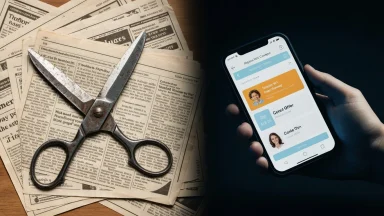
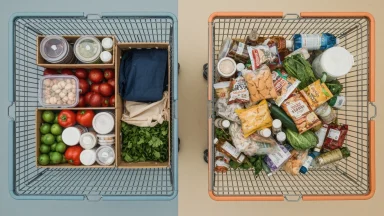
The phrase “home economics” might conjure black-and-white images of sewing circles and baking classes, while printed coupons may seem like relics from a pre-digital world. But what if these seemingly outdated concepts hold the key to mastering your household budget in the modern age? In an era of rising costs and economic uncertainty, the principles of efficient home management are more relevant than ever, and the humble paper coupon remains a surprisingly powerful tool in that fight.
At its core, modern home economics is the art and science of running your household like a successful business. It’s about being the Chief Financial Officer of your own family, making deliberate, strategic decisions to maximize resources and achieve long-term financial stability. This discipline transforms passive consumption into active, intentional saving. It provides a framework for understanding not just where your money goes, but how to direct it with purpose. The tangible act of clipping and using a printed coupon fits perfectly into this mindset, creating a direct, physical connection to the savings you generate.
This guide unpacks the dual power of combining classic home economics with strategic couponing. We will explore the enduring psychological appeal of printed coupons and why they often outperform their digital counterparts. You’ll learn step-by-step methods for integrating coupons into your budget and meal planning, advanced strategies like stacking to maximize value, and how to sidestep common pitfalls like overbuying. Prepare to turn those small slips of paper into a cornerstone of your family’s financial wellness.
Understanding the Foundation: What is Home Economics Today?
The term ‘home economics’ might bring up old-fashioned images of baking classes and sewing lessons. That perception is long outdated. Today, home economics is the practical science of managing a household efficiently, with a sharp focus on financial well-being and resourcefulness.
Its roots actually lie in applying scientific principles to domestic life. Back in the early 20th century, pioneers in the field sought to professionalize household management—a kind of original life-hacking, if you will. The core idea was to optimize everything from nutrition to sanitation and, most importantly, the family budget. This laid the groundwork for modern practical family budgeting tips that families rely on.
Think of it as being the Chief Financial Officer of your family. You are managing income, tracking expenses, and making strategic decisions to ensure long-term stability and growth. The data suggests families that actively practice these principles can reduce non-necessary spending by up to 19% annually. So, how can you apply these century-old ideas to your grocery bill next week? It comes down to a set of updated strategies for cutting household costs effectively.
In essence, modern household budgeting is about making deliberate choices that align with your family’s financial goals.
This discipline provides the blueprint for smart consumption. It transforms passive spending into active, intentional saving. Understanding this foundation is the first step toward unlocking powerful home savings strategies, including the surprisingly effective use of printed coupons.
The Enduring Appeal of Printed Coupons in a Digital Age
In an era dominated by apps and QR codes, you might think the paper coupon is a relic. Surprisingly, these tangible slips of paper continue to hold significant power in economia doméstica. Their persistence isn’t just about nostalgia; it’s rooted in psychology and practical advantages that digital options sometimes miss. Holding a physical coupon creates a concrete connection to the savings, making the discount feel more real and earned.
This physical presence can actually change your shopping behavior for the better. It’s a bit like writing a grocery list versus just trying to remember it—the physical act solidifies your intentions. What a lot of people don’t realize is that this tangibility can lead to more mindful spending, unlike the often-impulsive nature of click-and-save digital offers.
Why Paper Beats Pixels: Unique Advantages
The primary benefit of cupons impressos is their psychological weight. A study from the Promotion Marketing Association (PMA) suggests that consumers who physically clip and organize coupons report a 40% higher sense of control over their household budget. There’s a deliberate effort involved that makes the savings feel more valuable. Do you ever feel a bigger win from a coupon you had to find and cut out yourself?
Printed coupons also offer a level of reliability that digital versions can’t always match. They don’t depend on a charged phone, a stable internet connection, or an app that decides to crash at the checkout counter (we’ve all been there). You simply hand it over. some manufacturers release higher-value offers exclusively in print formats to target specific demographics, providing opportunities you won’t find online. For a deeper look, our guide to digital savings highlights some of these key differences.
Here’s a quick breakdown:
- Printed Coupons: Often have longer expiration dates, can be “stacked” with store sales more easily, and don’t require sharing personal data with multiple apps.
- Digital Coupons: Offer convenience and immediate access, but are sometimes lower in value and can expire quickly or disappear from an app without notice.
Sources for Maximizing Your Printed Coupon Collection
Building a solid stash of printed coupons requires a bit of treasure hunting. The Sunday newspaper remains the classic source, with inserts from brands like P&G and Save (formerly RedPlum) offering dozens of deals. Don’t overlook direct mail packets, which often contain coupons tailored to your area or even past purchases.
Many shoppers now turn to printable coupon websites. These platforms allow you to select the deals you want and print them at home, giving you control over your collection. Mastering this requires a few tricks, and getting familiar with advanced tactics for flawless coupon printing can save you both ink and frustration. You can also find coupons directly in stores—look for “peelies” on products, “blinkies” from dispenser machines in the aisles, and tearpads near displays.
The hunt is part of the fun.
Ultimately, the most effective approach isn’t about choosing paper over pixels. The real secret to boosting your savings is learning how to combine traditional coupons with digital deals, creating a powerful, two-pronged strategy to cut your household costs.
Consumers who physically clip and organize coupons report a 40% higher sense of control over their household budget.
— Promotion Marketing Association (PMA)
| Strategy | Best For | Key Tip |
|---|---|---|
| Basic Couponing | Beginners looking for easy, immediate savings on everyday purchases. | Only clip coupons for items already on your shopping list to avoid impulse buys. |
| Coupon-Led Meal Planning | Flexible shoppers aiming to drastically cut their food budget. | Organize your coupons first, then build your weekly menu around the best deals. |
| Strategic Stockpiling | Saving the most money long-term on non-perishable goods. | Combine a store sale with a manufacturer’s coupon to buy at the lowest possible price. |
| Coupon Stacking | Advanced savers looking to maximize discounts on a single item. | Check your store’s policy, then combine a store coupon with a manufacturer’s coupon. |
Strategic Integration: Combining Home Economics Principles with Couponing
Having a stack of printed coupons is one thing; turning them into a powerful tool for economia doméstica is another. The most effective approach blends the classic wisdom of home management with the modern savvy of couponing. It’s about creating a system where your savings are intentional, not accidental. This strategy transforms coupon clipping from a hobby into a core component of your family’s financial plan, much like combining traditional coupons with digital savings creates a more complete approach.
The goal is to stop letting sales dictate your purchases and start using coupons to support a pre-planned budget. It’s a shift in mindset. You become the director of your household spending, not just a passive consumer.
Step-by-Step: Crafting Your Coupon-Powered Budget
A budget isn’t about restriction; it’s a roadmap for your money. When you merge couponing with budgeting, you give every dollar a job and then use discounts to make those dollars stretch further. This structured process begins with understanding where your money is currently going.
Analyzing Your Spending Habits
Before you can steer the ship, you have to know which way the current is pulling you. Take an honest look at your last 60 days of bank and credit card statements. Categorize every expense, paying close attention to groceries, cleaning supplies, and personal care items—the prime territory for coupons. You might be surprised by what you find.
Data from the U.S. Bureau of Labor Statistics suggests the average household can spend over 12% of its income on food and household goods. For many families, this is the most flexible part of their budget, making it the perfect place to start. Using a simple spreadsheet or a budgeting app can help you visualize these patterns and identify the biggest opportunities for savings. This analysis is the first step in any meaningful effort to cut household costs effectively.
Integrating Coupon Finds into Meal Plans
Here is where the strategy really comes to life. Instead of creating a meal plan and then hunting for matching coupons (a frustrating and often fruitless task), you reverse the process. Start by organizing your collected coupons. What’s on sale this week? Do you have coupons for chicken, pasta sauce, and cheese?
This week’s dinner menu just started writing itself. Think of it like a cooking competition show where chefs are given a basket of specific ingredients—your coupons are that basket. This method encourages creativity and flexibility, forcing you to try new recipes based on the deals you find. A rigid meal plan can break under the pressure of real-life costs, but a coupon-led plan is built for savings from the ground up.
Optimizing Your Pantry: Stocking Up Smartly
Effective couponing often leads to stocking up, but there’s a fine line between a strategic stockpile and simple hoarding. The principle is to buy items your family consistently uses when the price is at its absolute lowest, which is typically a combination of a store sale and a manufacturer’s coupon. This requires patience and an understanding of sales cycles.
For example, if a 100-ounce bottle of your favorite detergent, which normally costs $14.99, goes on sale for $9.99 and you have a $2.00 printed coupon, the final cost is $7.99. That’s a 47% savings. Buying several at that price means you won’t have to pay full price for many months. This is one of the most powerful money hacks for everyday savings because it insulates you from future price fluctuations and emergency top-up trips to the store.
Just be sure you have the storage space and that you’re only stockpiling non-perishables or items you will use well before their expiration date.
Tracking Your Savings: The Real Impact
How do you know if all this effort is paying off? You have to track it. This doesn’t require complex software. Simply grab a pen and write the total “Savings” amount from your receipt onto the receipt itself, then toss it in a designated jar or envelope. At the end of the month, add it all up.
The underrated factor here is the powerful psychological feedback loop this creates. Seeing a concrete figure—like “$87.50 saved this month”—provides a tangible reward for your discipline and effort. It’s no longer an abstract concept; it’s money you can now redirect. What could your family do with an extra $87.50 each month?
Ultimately, these savings can be allocated to other financial goals, turning clipped paper into a down payment on a car, a contribution to a vacation fund, or an extra payment on a nagging debt. This connection is what makes couponing a vital part of your overall practical family budgeting strategy, giving every coupon a greater purpose.
Common Pitfalls and How to Avoid Them in Your Savings Journey
The biggest couponing mistake isn’t missing a deal; it’s using a deal on something you don’t actually need. This journey into economia doméstica is filled with potential missteps that can sabotage your budget if you aren’t careful. But with a bit of foresight, you can easily sidestep these common issues and keep your savings on track.
Understanding these challenges is the first step toward building a sustainable savings habit. It’s not just about clipping paper; it’s about changing your mindset toward spending.
The Trap of Overbuying: Quantity vs. Necessity
A coupon for 50% off a product you’ll never use isn’t a 50% savings—it’s a 100% waste of money. The allure of a great deal can lead to overbuying, which clogs your pantry with unneeded items and drains your wallet. What is the real value of buying ten tubes of toothpaste just because they are cheap? A recent survey by the National Retail Federation found that 38% of shoppers admitted to buying an unplanned item specifically because of a coupon.
The key is to align your coupon use with a pre-planned shopping list based on your family’s actual consumption. This requires discipline. Resisting the impulse to buy something just because it’s on sale is a core principle for anyone trying to cut household costs effectively. If it wasn’t on your list, ask yourself if it’s a true necessity or just a deal-driven temptation.
Staying Organized: Your Couponing Command Center
A messy stack of unsorted cupons impressos is a recipe for frustration and missed opportunities. Trying to find the right coupon at the checkout line while a queue forms behind you is stressful and inefficient. Your coupon strategy needs a system, just like a well-organized kitchen needs a spice rack instead of a jumbled drawer.
Dedicate a specific place for your coupons—a small accordion file, an envelope system, or a binder categorized by product type (dairy, cleaning, canned goods) and expiration date. Spend just 15 minutes a week sorting new coupons and discarding expired ones. This small time investment prevents last-minute scrambles and ensures you can quickly find what you need. A well-organized system is as notable as mastering the technical side, like learning the best practices for printing flawless coupons from your computer.
Some people take this to another level with “extreme couponing.” While it can lead to massive savings, it’s not for everyone. It demands significant time and has its own set of drawbacks.
- Pros: Huge savings on groceries and household goods, ability to stockpile essentials for months, and the possibility of getting items for free or nearly free.
- Cons: time-consuming (often a part-time job), requires immense organization, high risk of overbuying unwanted items, and can lead to storage issues at home.
Ultimately, the goal isn’t to become an extreme couponer overnight but to integrate smart, manageable habits into your existing practical family budgeting. Avoiding these pitfalls transforms couponing from a potential chore into a reliable financial tool.
Beyond the Basics: Advanced Strategies for Maximizing Value
Once you have a handle on the fundamentals of using printed coupons, you can begin exploring more complex methods to amplify your savings. These advanced strategies require a bit more planning and knowledge of store systems, but the payoff can be substantial. It’s about shifting from simple discounts to a strategic approach to shopping.
This is where saving money becomes a skill. You start to see the checkout process not as an expense, but as an opportunity.
The Art of Coupon Stacking: Rules and Rewards
Coupon stacking is the practice of using multiple coupons on a single item. Think of it like layering clothes for winter; each layer adds more protection, and each coupon adds more savings. The most common form of stacking involves combining a manufacturer’s coupon with a store’s coupon for the same product. This technique is where you can see discounts jump from a modest 15% to over 50% on a single item.
Manufacturer vs. Store Coupons
First, you must learn to distinguish between the two main types of coupons. Manufacturer coupons are issued by the brand that produces a product (like Kraft or General Mills) and will be reimbursed by the manufacturer. They usually say “Manufacturer Coupon” at the top. Store coupons, are issued by the retailer (like Target or Walgreens) and are specific to that store chain. They often feature the store’s logo and might be found in weekly flyers or on the store’s app.
Understanding Retailer Policies
The ability to stack coupons is entirely dependent on a store’s specific policy. Some retailers welcome the practice, while others explicitly forbid it. Before you even attempt to stack, you must check the store’s official coupon policy, which is usually available on their website or by asking customer service. What most people miss is that these policies can be surprisingly detailed, covering things like limits on identical coupons per transaction. According to a survey by the Consumer Savings Association, 78% of shoppers who read a store’s coupon policy beforehand reported a more successful and faster checkout experience.
Leveraging Loyalty Programs and Apps
Printed coupons can work in powerful concert with modern digital tools. Most major grocery and drug stores offer free loyalty programs that provide exclusive member pricing and digital coupons loaded directly onto your account. The real magic happens when a store’s policy allows you to use a printed manufacturer coupon on an item that already has a digital loyalty discount applied. This is a perfect example of combining traditional coupons with digital savings for maximum effect.
For example, a loyalty program might drop the price of your favorite cereal from $5.49 to $3.99. You can then use a $1.00 printed manufacturer’s coupon on top of that, bringing your final cost down to $2.99. It’s a two-step process that many casual shoppers overlook — a simple oversight that costs them money every week.
Seasonal Savings and Holiday Hoards
Strategic couponing is not just about what you buy, but when you buy it. Manufacturers release high-value coupons that align with seasonal demand. You’ll find coupons for baking supplies like flour and sugar in the fall, sunscreen and grilling sauces in the spring, and cleaning products during “spring cleaning” season. The trick is to collect these coupons and pair them with seasonal sales to stock up for months at a time, a practice some call “building a hoard.”
This forward-thinking approach is a core principle in any effective family budgeting plan. Why pay full price for wrapping paper in December when you can get it for 75% off in January with a coupon? Planning your purchases around these predictable cycles transforms couponing from a simple discount method into a powerful tool for long-term financial management. The key is developing the patience to buy out of season.
Cultivating a Culture of Savings in Your Household
Transforming saving from a chore into a shared family value is the final piece of the puzzle. The goal is to make economia doméstica a team sport. When everyone is involved, the small wins from using cupons impressos feel like a collective victory, not just one person’s responsibility. It builds a foundation of financial literacy from the ground up.
The underrated factor here is making it a game, especially for children. A University of Cambridge study found that core money habits are often set by age seven. So, how do you make thriftiness fun? Assign roles, like an official “Coupon Clipper” or “Discount Detective” who helps find deals in flyers. This creates ownership and turns a grocery run into a mission (with a tangible reward like an extra treat bought with the savings).
A simple family financial health check can keep everyone on the same page. This involves discussing goals, tracking spending for a month, and celebrating when you hit a savings target. Reviewing practical family budgeting tips and exploring modern home savings strategies together can also provide a clear roadmap for everyone to follow.
These habits become second nature over time.
By teaching these skills early, you are giving your children more than just a way to save a few dollars. You provide them with a framework for financial security and a smart approach to money that will benefit them for their entire lives, long after they’ve flown the nest. This is the true power of your household economy.
From Savings to Sovereignty
Ultimately, mastering the art of the printed coupon is about more than just trimming a few dollars off your grocery bill. It represents a core shift in your relationship with consumption. In an economic landscape where consumers often feel like passive participants, subject to fluctuating prices and persuasive marketing, every coupon used is a small act of reclaiming agency. It’s a declaration that you are in control, directing your resources with intention rather than impulse. So, the next time you clip a coupon, consider what it represents: not just a discount, but a tool for financial empowerment and a step toward greater control over your own economic destiny.
Frequently Asked Questions
Are printed coupons still effective in today’s digital world?
Yes, they remain highly effective. Printed coupons offer a psychological advantage by making savings feel more tangible, often feature higher values than digital versions, and are not dependent on technology like a charged phone or stable internet at checkout.
How can I find the best printed coupons for my family’s needs?
A multi-pronged approach works best. Consistently check Sunday newspaper inserts, direct mail packets, and printable coupon websites. Also, keep an eye out for in-store coupons on products (‘peelies’) or from aisle dispensers (‘blinkies’).
What’s the difference between manufacturer and store coupons?
A manufacturer’s coupon is issued by the product’s brand and can be used at any store that accepts them. A store coupon is issued by the retailer (e.g., Target, Kroger) and is only valid at that specific chain. The most advanced strategy is ‘stacking’ them together on one item where permitted.
Can I combine printed coupons with cashback offers?
Absolutely. This is a powerful way to maximize savings. You can use a printed coupon during your purchase at the store, and then scan your receipt afterward using a cashback app to claim an additional rebate on the same item, effectively getting two discounts.
How do I prevent overspending when using coupons?
Discipline is key. Always shop with a list based on your actual needs and meal plan. A coupon only saves you money if it’s for something you intended to buy anyway. Resist the temptation to purchase an item just because you have a coupon for it.