As you navigate the aisles of your local grocery store, the reality of rising food costs can feel overwhelming. Every item added to your cart seems to push your budget further to its limit, prompting a search for any available savings. In an era dominated by smartphone apps and digital discounts, it’s easy to dismiss the humble paper coupon as a relic of the past. Yet, for millions of savvy shoppers, these tangible slips of paper remain a powerful and reliable tool in the ongoing battle against inflation.
The prevailing narrative suggests that we are in a completely paperless age, where convenience is king and digital solutions have rendered all physical media obsolete. This has led many to predict the imminent demise of the printed coupon, replaced entirely by QR codes, loyalty apps, and automatic online discounts. While the growth of digital savings is undeniable, the story isn’t that simple. The persistence of printed coupons reveals a more complex picture of consumer behavior, psychology, and the universal need for financial control.
This article delves into the enduring appeal of the printed coupon, exploring the reasons why it continues to hold its own against digital dominance. We will examine the tangible and psychological benefits of clipping coupons, their crucial role in accessibility for all generations, and how they are cleverly evolving to integrate with modern technology. By understanding both sides of the digital versus paper debate, you’ll discover how to build a hybrid savings strategy that leverages the best of both worlds, ensuring you never miss an opportunity to reduce your grocery bill.
The Current Landscape of Printed Coupons: A Snapshot
In an increasingly digital world, you might think the paper coupon has gone extinct, but it is still very much alive and well. Millions of shoppers continue to rely on these tangible discounts to lower their grocery bills every week. This classic method of saving money proves that sometimes the old ways are still incredibly effective for managing a household budget.
You can still find these valuable slips of paper in many of the same places you always have. The Sunday newspaper insert remains a primary source for printed coupons today, alongside direct mail packets filled with local deals and in-store flyers. These traditional couponing channels continue to deliver savings directly into the hands of consumers looking to stretch their dollars.
Contrary to popular belief, the user base for printed coupons is surprisingly diverse. While they are popular with older generations, many younger families and millennials also embrace them as part of a smart financial strategy. Using coupons is a cornerstone of many Effective Grocery Budgeting Strategies, helping to control spending and keep finances on track.
There is a unique satisfaction that comes with physically clipping a coupon, providing a tangible reminder of the money you are about to save. For many, the simple act of finding and sorting deals is a rewarding ritual. Learning how Organizing Your Coupon Stash for Maximum Savings can transform a small habit into significant financial benefits over time.
Of course, digital options have expanded the savings landscape, and it’s wise to be familiar with them. While many are learning about Understanding Digital Coupons and Cashback Programs, the simplicity of a paper coupon holds a special appeal. It requires no app, no login, and no battery life to work its magic at the checkout counter.
Digital Dominance: Why Some Predict the End of Paper
There’s no denying the massive shift toward digital savings in modern household budgeting. Many shoppers now instinctively reach for their phones instead of scissors, as technology puts instant discounts and online savings directly at their fingertips. This fundamental change in consumer behavior is leading many experts to question the long-term viability of traditional paper coupons.
The core of the digital vs printed coupons debate often boils down to a single word: convenience. Digital tools are integrated into the devices we carry everywhere, making them accessible anytime. This constant availability presents one of the biggest challenges for paper coupons in a fast-paced world.
The Convenience Factor of Digital Savings
Let’s be honest, the primary appeal of digital coupons is their incredible ease of use. Instead of spending Sunday mornings clipping inserts, you can simply load offers to a store loyalty card with a few taps. This eliminates the need for Organizing Your Coupon Stash for Maximum Savings and the frustrating moment of discovering you left your coupons on the kitchen counter.
Many store apps and browser extensions take this convenience a step further by automatically finding and applying the best available discounts at checkout. This “set it and forget it” approach saves not only money but also precious time and mental energy during a busy shopping trip. For families trying to stick to a plan, this can be a powerful tool for more Effective Grocery Budgeting Strategies.
Furthermore, digital platforms excel at combining various savings methods into one seamless experience. It is often simple to stack store promotions with manufacturer deals and earn cashback on the very same purchase. Fully Understanding Digital Coupons and Cashback Programs reveals how these integrated systems provide a compelling reason for shoppers to go paperless.
Environmental Concerns and Paper Waste
Beyond simple convenience, another significant factor driving current coupon trends is the environmental impact of paper. Consider the resources required to produce and distribute millions of Sunday inserts, from the paper and ink to the fuel used for transportation. A vast number of these coupons are never even clipped, contributing directly to paper waste.
For shoppers conscious of their environmental footprint, digital offers present a greener alternative. Downloading a coupon to an app or scanning a barcode from your phone screen generates no physical waste. This reduction in paper consumption aligns with a broader societal push toward more sustainable living and mindful consumption.
While a single unclipped coupon insert may seem insignificant, the cumulative effect is substantial. The enormous scale of production means that a large percentage of printed materials are discarded without ever being used. This reality poses a serious challenge to the future of printed coupons as more consumers prioritize eco-friendly habits.
| Feature | Printed Coupons | Digital Coupons |
|---|---|---|
| Accessibility | High; no technology or internet required. Accessible to all generations. | Lower; requires a smartphone, app, and digital literacy. |
| Convenience | Lower; requires clipping, organizing, and remembering to bring them. | High; can be loaded to a card instantly, often applied automatically. |
| Psychological Impact | High; tangible feeling of saving, gratifying ‘checkout high’. | Lower; savings are more abstract and less visible during the process. |
| Personalization | Traditionally low, but increasing with print-at-home and register-printed offers. | Very high; offers are often tailored to individual shopping habits. |
| Environmental Impact | Higher; contributes to paper waste from production and unused inserts. | Lower; generates no physical waste. |
| Planning & Control | Encourages hands-on budget planning and mindful shopping trips. | Can be more passive, especially with automatic application. |
The Undeniable Power of the Physical: Why Printed Coupons Endure
In a world dominated by screens, the simple paper coupon continues to hold a special place in the hearts and wallets of savvy shoppers. The reasons for their staying power go beyond simple nostalgia; they tap into fundamental aspects of human psychology and offer practical benefits that digital alternatives can’t always replicate. The tangible savings offered by a physical piece of paper create a powerful connection that keeps families clipping.
Tangibility and Control in Budgeting
There is a unique psychological benefit to holding a coupon in your hand. Unlike a digital code that exists only on a screen, a paper coupon is a physical object that represents a specific, concrete discount. This tangibility makes the savings feel more real and gives you a greater sense of control over your spending as you plan your shopping trip.
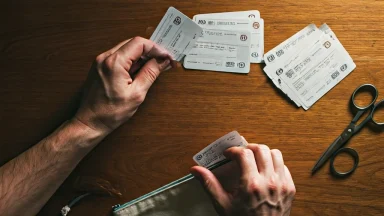
For many families, laying out coupons on the kitchen table is a key part of the weekly meal and budget planning process. You can physically sort them, match them to your grocery list, and calculate your potential savings before you even leave the house. This hands-on approach is one of the most Effective Grocery Budgeting Strategies because it transforms saving money from an abstract concept into a manageable, visual task.
Accessibility for All Generations
A significant advantage of printed coupons is their universal accessibility. They require no special technology, no smartphone app, no stable internet connection, and no digital literacy. Anyone who can read and use a pair of scissors can participate, making it an inclusive way to save money that bridges generational and technological gaps.
This is particularly important for households where multiple generations may live together or share shopping duties. Grandparents who may not be comfortable with apps can still contribute to the family’s savings by clipping coupons from the newspaper or mailers. While many find value in Understanding Digital Coupons and Cashback Programs, paper coupons ensure that no one is left out of the opportunity to save.
The Joy of the Hunt and Physical Clipping
For many, couponing is more than just a chore; it’s an engaging activity that feels like a treasure hunt. The process of searching through flyers, Sunday papers, and mailings for the best deals provides a sense of proactive accomplishment. Finding a high-value coupon for a product you regularly buy can feel like a small victory.
This active participation is very different from the more passive nature of digital offers that are often automatically applied. The act of physically clipping and collecting coupons invests you in the saving process. It transforms you from a passive consumer into a strategic shopper on a mission to maximize your budget.
Building a Strategic Coupon Stash
The “hunt” culminates in creating a personal inventory of savings. An organized coupon stash is a powerful tool for slashing your grocery bill week after week. Whether you use a small accordion file, a dedicated binder, or a simple envelope system, this collection represents potential money in the bank.
Having your coupons sorted by category and expiration date allows you to quickly find what you need and plan your shopping trips around the best deals. This methodical approach is the secret behind serious savings, and mastering the art of Organizing Your Coupon Stash for Maximum Savings is a game-changer for any family budget.
The ‘Aha!’ Moment at Checkout
Perhaps the most powerful reinforcement for using printed coupons is the experience at the cash register. Watching the cashier scan your carefully selected coupons and seeing the final total on the screen drop significantly is incredibly gratifying. This moment provides immediate, tangible feedback on your efforts.
This “checkout high” is a powerful motivator that encourages you to continue the habit. It’s the satisfying conclusion to your treasure hunt, confirming that your time and effort were worthwhile. This instant gratification is a key reason why the psychology of couponing makes it such an enduring and rewarding practice for so many.

Adapting to Change: How Printed Coupons Are Evolving
To predict the future of printed coupons, you don’t have to look into a crystal ball. Instead, you just have to look at how they are cleverly merging with modern technology. Rather than disappearing, paper coupons are becoming smarter, more personal, and deeply integrated into the digital tools we already use for shopping.
This evolution ensures that the tangible satisfaction of clipping a coupon isn’t lost; it’s simply being enhanced for a new era of savvy shoppers. The core appeal remains, but the delivery method is getting a significant upgrade. This blend of old and new is securing the place of printed savings in family budgets for years to come.
Smart Printing and Personalization at Home
One of the biggest shifts is the move away from generic, mass-produced coupon inserts toward highly personalized, print-at-home offers. Coupon websites and manufacturer portals now use your browsing and previous printing history to offer deals that are relevant to you. This means less time sifting through offers for products you’d never buy and more time saving on your family’s favorite brands.
This level of personalization is a game-changer for hybrid couponing, where digital convenience meets a physical coupon. By printing coupons for items already on your list, you are directly supporting your financial goals. This targeted approach is a cornerstone of many Effective Grocery Budgeting Strategies, ensuring every coupon you clip makes a real impact on your bottom line.
Integration with Store Loyalty Programs
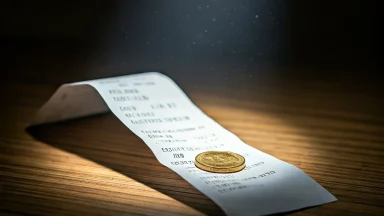
Have you ever checked out at the grocery store and received a long strip of printed coupons along with your receipt? These aren’t random; they are a direct result of integration with store loyalty programs. The checkout system analyzes your purchase in real-time and prints coupons for competing brands or complementary products based on what you just bought.
This creates a powerful feedback loop that keeps you engaged and rewards your loyalty with relevant, tangible savings on your next trip. It’s a brilliant strategy that bridges the gap between your in-store actions and future discounts. For shoppers who enjoy this blend, it’s also a great first step toward Understanding Digital Coupons and Cashback Programs, which often work on similar principles of tracking and rewarding purchases.
Maximizing Your Savings: Practical Tips for Future Couponers
Even with many digital options available, printed coupons are far from obsolete and offer a tangible way to cut down your bills. You can still find them in Sunday newspapers, direct mailers, and even right in the store at the checkout or on product shelves. The key is to be observant and dedicate a small amount of time each week to gathering these valuable slips of paper, forming the foundation of your couponing strategies.
Once you have your coupons, the next step is to keep them in order so you can use them before they expire. A simple folder or envelope system can make all the difference, preventing you from leaving the perfect coupon at home. Mastering the art of Organizing Your Coupon Stash for Maximum Savings ensures you are always ready to save money and makes the process much less overwhelming.
The most effective coupon use happens when it’s part of a larger plan for your household finances. Before heading to the store, try matching your coupons to your shopping list and the store’s weekly sales flyer. This technique, known as “stacking,” dramatically increases your savings potential and is one of the best family budget tips. Aligning couponing with one of the many Effective Grocery Budgeting Strategies transforms your shopping trips into a savings opportunity.
For ultimate savings, consider a hybrid approach by combining your printed coupons with store loyalty programs and digital deals. Many families find that the skills they build with paper coupons make it easier to master other savings methods. This knowledge serves as a fantastic foundation for Understanding Digital Coupons and Cashback Programs, helping you create a comprehensive plan that boosts your budget.
The Future is Hybrid: Blending Paper and Pixels for Maximum Savings
The debate over the future of printed coupons isn’t about one method replacing the other, but rather how they can coexist to create a more powerful savings strategy. While digital coupons offer unparalleled convenience and personalization, printed coupons provide a tangible sense of control, universal accessibility, and a unique psychological satisfaction that technology cannot fully replicate. They are not disappearing; they are evolving, integrating with loyalty programs and print-at-home technologies to stay relevant in a changing world.
The savviest shoppers of tomorrow won’t be exclusively digital or stubbornly paper-only. They will be masters of a hybrid approach, skillfully combining the ease of digital apps with the high-value potential of a well-organized binder of printed deals. By embracing both, you equip yourself with a comprehensive toolkit to tackle rising costs, ensuring your family’s budget is as resilient and resourceful as possible.
Frequently Asked Questions About Printed Coupons
Will printed coupons disappear completely in the coming years?
It is highly unlikely that printed coupons will disappear completely. While digital usage is growing, printed coupons are adapting by integrating with technology, such as personalized print-at-home offers and coupons generated at checkout. They also continue to serve important demographics that may prefer tangible savings or lack consistent access to digital tools.
Are printed coupons still worth the effort compared to digital options?
Yes, for many people, printed coupons are absolutely worth the effort. The process of clipping and organizing encourages mindful budgeting and can lead to significant, high-value savings that aren’t always available digitally. The most effective strategy often involves a hybrid approach, using both printed and digital coupons to maximize savings.
How can I find the best printed coupons for my family’s needs today?
You can still find valuable printed coupons in traditional sources like Sunday newspaper inserts and direct mail packets. Additionally, explore manufacturer websites and coupon portals for print-at-home deals tailored to your interests. Also, pay attention to the coupons printed with your receipt at the store, as these are often personalized based on your purchases.