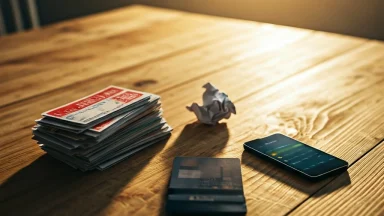
In an era dominated by digital wallets and promo codes, the humble printed coupon might seem like a relic from a bygone era. Many shoppers wonder if clipping paper squares is still worth the effort when apps promise instant savings. However, dismissing these tangible discounts is a common mistake that could be costing your household hundreds of dollars each year. The satisfying act of physically collecting and using coupons offers a unique connection to your savings goals that digital methods often lack.
The enduring relevance of printed coupons lies in their unique power and accessibility. Manufacturers frequently use them to launch new products or drive sales with exclusive, high-value offers that you won’t find anywhere else. Unlike their digital counterparts, paper coupons aren’t dependent on a charged smartphone, a stable internet connection, or a store’s finicky app. This makes them a reliable and universally accessible tool for anyone serious about cutting costs and practicing smart grocery budgeting.
This guide is your masterclass in transforming printed coupons from a pile of paper into a powerful financial tool. We will explore the treasure map of where to find the most valuable deals, from Sunday newspaper inserts to legitimate online printable sites. You’ll learn expert-approved organization systems, like the coupon binder method, to ensure you never miss a chance to save. Finally, we’ll dive into strategic redemption techniques, such as matching coupons with sales cycles and understanding store policies, to maximize every single discount and take control of your grocery spending.
The Enduring Power of Printed Coupons in a Digital Age
In a world filled with digital apps and online codes, it might seem like paper has gone out of style. However, printed coupons continue to hold significant value for savvy shoppers looking to slash their household expenses. There’s a unique satisfaction in physically clipping and organizing deals, a process that helps many families stay grounded in their spending goals.
One of the biggest couponing benefits is that they often provide exclusive, high-value discounts you will not find anywhere else. Manufacturers sometimes use these tangible offers to introduce new products or drive sales on specific items. Plus, traditional coupons do not rely on a charged smartphone or a stable data connection at checkout, making them a reliable tool for everyone.
Integrating printed coupons into your routine can transform your approach to shopping and is a key part of smart grocery budgeting. The simple act of clipping makes you more mindful of your purchases, reinforcing good habits that are central to effective `Budgeting for Groceries: Essential Tips`. While some debate the merits in `Digital Coupons vs. Printed Coupons: A Comparison`, using both methods can lead to even greater savings, especially when combined with `Meal Planning Strategies to Save Money`.
Your Treasure Map: Finding the Best Printed Coupons
Knowing where to find printed coupons is the first step toward unlocking significant savings on your grocery bill. Think of yourself as a treasure hunter, and these sources are the map leading you to discounts. With a little bit of planning, you can easily gather a collection of coupons that will dramatically lower your expenses without requiring a huge time commitment.
Weekly Newspaper Inserts: A Goldmine
The Sunday paper remains one of the most reliable sources for high-value newspaper coupons. These booklets, often called inserts, are typically published by companies like SmartSource and Save (which used to be RetailMeNot Everyday). You will also find P&G BrandSaver inserts filled with discounts on household necessities like laundry detergent, paper towels, and personal care items.
To get the most out of these inserts, consider getting a weekend subscription to your local paper or even asking neighbors for their unwanted copies. Some dollar stores also sell the Sunday paper, providing a low-cost way to access these savings. Organizing these inserts by date can make it much easier to find what you need when you’re preparing your shopping list, a key part of `Budgeting for Groceries: Essential Tips`.
Online Printables: Don’t Overlook Them
The internet offers a vast and convenient way to access coupons you can print at home. Many official manufacturer websites have dedicated coupon sections for their products, and there are also numerous legitimate printable coupon websites that aggregate offers from various brands. This method blends the convenience of online searching with the reliability of a physical coupon at checkout.
This approach highlights the ongoing discussion of `Digital Coupons vs. Printed Coupons: A Comparison`, as you find the deal online but use it in a printed format. Be aware that most printable coupons have a print limit, usually two per device, to prevent fraud. This is a perfect way to grab a coupon for a specific item you need to complete a recipe from your `Meal Planning Strategies to Save Money`.
Don’t forget to look for savings right in the supermarket aisle. Keep an eye out for in-store flyers near the entrance, coupon-dispensing machines (often called “blinkies”), and “peelies,” which are coupon stickers found directly on the product packaging. These are fantastic for on-the-spot deals you might have missed during your planning phase.
| Key Area | Expert Tip |
|---|---|
| Finding Coupons | Prioritize Sunday newspaper inserts (SmartSource, Save) and official manufacturer websites for the highest value offers. |
| Organization System | Use a binder with categorized baseball card sheets or a portable accordion file to keep coupons sorted by aisle or product type. |
| Redemption Strategy | The most powerful technique is matching your coupons with weekly store sales to dramatically reduce the final price of an item. |
| Advanced Savings | Always check a store’s policy on ‘stacking’—using both a manufacturer’s coupon and a store coupon on a single item for double the discount. |
Mastering Your Stash: Organization Systems for Coupon Success
Having a stack of printed coupons is a great start, but it’s only half the battle. If you can’t find the right coupon at the right time, or if it has expired, you’re leaving money on the table. A solid organization system is the secret weapon of every successful saver, turning a chaotic pile of paper into a powerful tool for savings.
The key is finding a method that works for your shopping style and the volume of coupons you handle. Whether you’re a casual clipper or a dedicated deal-hunter, getting organized will make your shopping trips smoother and more profitable. Let’s explore the most popular and effective systems to keep your coupons in check.
The Coupon Binder Method
For those who are serious about couponing, the binder method is the gold standard. It involves using a standard three-ring binder to create a portable, highly organized library of your deals. This system allows you to see many coupons at once, making it easy to spot deals and pull what you need in the store.
Think of it as your personal savings command center. While it requires a small initial setup, the time you save in the shopping aisle is invaluable. Everything has a place, and you can quickly flip through your categories to build the perfect transaction.
Essential Supplies for Your Binder
Creating an effective coupon binder is easy and affordable. You’ll need a few key items to build a system that lasts and keeps you organized trip after trip. Most of these can be found at any office supply or general merchandise store.
- A Sturdy Binder: Opt for a durable 2- or 3-inch three-ring binder with a zipper closure to keep everything secure.
- Plastic Sheet Protectors: Baseball card collector pages are perfect for standard-sized coupons, while full-page protectors work for larger prints or weekly ads.
- Tab Dividers: These are essential for separating your categories. Get a pack with customizable labels so you can create a system that makes sense to you.
- A Pouch: A three-hole punch zipper pouch is great for holding scissors, pens, and any coupons you’ve just clipped.
- Scissors and a Pen: Keep a small pair of scissors for on-the-go clipping and a pen or highlighter to circle expiration dates or important terms.
Categorizing for Quick Finds
How you categorize your coupons inside the binder will determine how quickly you can find them. The best method is one that mirrors how you shop. A popular choice is organizing by grocery store aisle, such as “Cereals & Breakfast,” “Canned Goods,” “Cleaning Supplies,” and “Personal Care.”
This approach is incredibly efficient when you combine it with a well-planned shopping list, a core principle of effective Budgeting for Groceries. Another option is to categorize alphabetically by product name or brand. Experiment with a few methods to see what feels most intuitive for your shopping routine.
Alternative Storage Solutions
If a large binder feels like too much, don’t worry! There are several other effective methods to keep your coupons organized. A popular alternative is a small, portable accordion file box. You can label the tabs with your categories and simply file the coupons inside, making it easy to grab and go.
For a more minimalist approach, try the envelope system. Simply label a set of plain envelopes with your main categories (e.g., “Dairy,” “Frozen,” “Household”) and store them in a small recipe box or pouch. This is perfect for those who only clip a handful of coupons for each trip and don’t want to carry a bulky system.
Tracking Expiry Dates Effectively
An expired coupon is a missed savings opportunity. Make it a habit to circle or highlight the expiration date the moment you clip a coupon. This simple action makes the date stand out, preventing you from accidentally trying to use an invalid offer.
When you file your coupons, place the ones expiring soonest at the front of their respective sections. Schedule a quick 15-minute “coupon audit” once a week to purge any expired ones. This is also a great time to review what you have and see which deals you need to use soon, which can inform your weekly shopping list and even your meal planning.
Staying on top of expirations ensures your collection is always current and ready for action. This level of diligence is similar to monitoring your balances in Cashback Apps to ensure you get every penny you’ve earned. It’s a small time investment that yields significant financial rewards.

Strategic Shopping: Redeeming Your Printed Coupons Like a Pro
Having an organized binder of coupons is a great first step, but the real magic happens when you use them strategically at the checkout counter. Turning a small discount into a massive saving requires a bit of planning and knowledge of the rules. Think of it as the final, most rewarding part of your overall approach to Budgeting for Groceries: Essential Tips, where every decision maximizes your money’s power.
Timing is Everything: Align with Sales Cycles
One of the most powerful expert tips for printed coupons is learning how to combine them with store promotions. Using a coupon on a full-price item saves you a little, but using that same coupon on an item that is already on sale can slash its cost significantly. This technique, often called matching coupons with sales, is the cornerstone of professional-level savings and a key component of effective Meal Planning Strategies to Save Money.
Most grocery and drug stores operate on predictable sales cycles, often detailed in weekly flyers or online ads. Before you shop, review these sales and cross-reference them with your coupon collection. If you have a $1 off coupon for your favorite coffee and the store has it on a “buy one, get one free” offer, you can use a coupon on each item (policy permitting), making the deal incredibly sweet.
Keep an eye out for seasonal clearance events as well, such as after major holidays. Stores will be eager to move themed inventory, from candy to decorations, and combining these deep discounts with a coupon can lead to stocking up on items for pennies on the dollar.
Understanding Store Coupon Policies
Every store plays by its own set of rules, and knowing them is critical to avoiding frustration at the register. A store’s coupon policy dictates exactly how you can use your coupons, so it’s wise to read it. You can usually find it on the store’s website or by asking at the customer service desk.
A key policy to understand is coupon stacking. This is when a store allows you to use both a manufacturer’s coupon and a store-specific coupon on a single item. For example, you might use a manufacturer’s coupon from the Sunday paper and a store coupon from their weekly flyer on the same box of crackers, doubling your discount instantly. Some policies are more complex, and understanding the nuances is similar to knowing the difference between various savings methods, as explored in our Digital Coupons vs. Printed Coupons: A Comparison guide.
Other important rules to look for include limits on the number of identical coupons per transaction, whether they double the value of coupons (a less common but amazing perk), and if they accept competitor coupons. By knowing these rules ahead of time, you can plan your shopping trip with confidence and even combine your paper coupon savings with other methods like Maximizing Savings with Cashback Apps for the ultimate financial win.
Beyond the Basics: Advanced Tips for Super Savings
Once you’ve mastered the fundamentals, it’s time to elevate your savings strategy with some advanced couponing tips. This next level is all about combining different methods and thinking strategically about your purchases. By employing these expert techniques, you can transform small discounts into significant reductions in your monthly spending.
A powerful technique is to pair your printed coupons with modern technology. Many stores offer digital coupons through their apps that can sometimes be combined with manufacturer coupons for the same item. Furthermore, leveraging coupon apps integration by scanning your receipts is a fantastic way to earn money back, a core strategy discussed in Maximizing Savings with Cashback Apps.
Practicing good coupon etiquette is a non-negotiable for serious savers. Being organized at the checkout, knowing the store’s policy beforehand, and treating cashiers with respect keeps the process smooth for everyone. Following coupon limits and rules ensures these deals remain available, fostering a positive environment for the entire savings community.
Finally, become a hunter of deals by setting up deal alerts for products you frequently buy. This allows you to pair your best printed coupons with a store’s lowest sale price, creating a “perfect storm” of savings. This level of planning requires patience but is a cornerstone of effective grocery budgeting and a smart way to get the most out of every coupon.
From Clipper to Savings Pro
Mastering the art of printed coupons is about more than just snipping paper; it’s about taking active control of your household budget. By learning where to find high-value deals, implementing a smart organization system, and redeeming your coupons strategically, you transform a simple habit into a powerful financial strategy. The journey from a casual clipper to a savings expert empowers you to make every dollar count, ensuring your hard-earned money works for you. Embrace these expert tips, and watch your grocery bill shrink while your confidence as a savvy shopper grows.
Frequently Asked Questions
Are printed coupons still relevant today?
Yes, printed coupons are absolutely still relevant. They often provide exclusive, high-value discounts that are not available digitally and are a reliable saving method that doesn’t depend on technology like a smartphone or app at checkout. Using them also helps foster mindful spending habits.
Where are the best places to find high-value printed coupons?
The best sources for high-value printed coupons remain the Sunday newspaper inserts, such as SmartSource and Save. Additionally, you can find legitimate printable coupons directly on manufacturer websites and reputable online coupon portals that aggregate offers from various brands.
Can I use multiple printed coupons on one item?
This practice, known as ‘stacking’, depends entirely on the individual store’s coupon policy. Some retailers allow you to use one manufacturer’s coupon and one store-specific coupon on the same item, maximizing your savings. It is crucial to read the store’s policy online or ask customer service to confirm before shopping.