Have you ever found yourself staring out the window, dreaming of swapping your office desk for a café table in Lisbon or a beachfront bungalow in Colombia? For a growing number of professionals, this isn’t just a daydream—it’s a tangible reality. The global shift towards remote work has unlocked unprecedented freedom, allowing individuals to perform their jobs from anywhere with a stable internet connection. This lifestyle, once reserved for a select few, is now becoming accessible to millions who are eager to combine their career ambitions with a passion for travel and cultural immersion.
In response to this global trend, countries around the world are rolling out a new type of authorization: the digital nomad visa. Unlike a tourist visa, which strictly prohibits work, this permit legally sanctions your ability to live in a foreign country while earning an income from remote sources. It’s a formal recognition of a new way of living and working, designed to attract talented individuals who can contribute to the local economy without taking local jobs. This creates a win-win scenario, boosting local spending while offering nomads a stable, legal base for their adventures.
This comprehensive guide is your essential roadmap to navigating the exciting world of digital nomad visas. We’ll demystify the entire process, starting with the core requirements that virtually every country asks for, such as proof of income and health insurance. We will then explore the top destinations, from established European hubs to emerging markets, helping you choose the perfect location for your goals. Finally, we’ll dive into the critical financial strategies you need to master, including global budgeting, tax considerations, and saving money on everyday expenses, ensuring your transition to a remote work lifestyle is both successful and sustainable.
Understanding the Digital Nomad Visa Landscape
A digital nomad visa is a specific authorization that allows you to live and work remotely in a foreign country for an extended period, typically from six months to a few years. Unlike a standard tourist visa, which prohibits any form of work, this permit legally recognizes your status as a remote professional. This allows you to settle in one place longer than a tourist could, without needing to be employed by a local company.
These visas are designed for a specific type of professional: the digital nomad. This term refers to anyone who uses technology to earn a living while traveling and working from anywhere with an internet connection. This could include freelancers, entrepreneurs, or employees of companies that allow fully remote work. The remote work visa essentially bridges the gap between tourism and traditional work residency, catering to this growing workforce.
Countries offer these visas to attract talented individuals who bring foreign income into the local economy without taking local jobs. For the nomad, it provides a stable legal base and simplifies long-term planning. Successfully managing your finances is key to this lifestyle, making topics like Smart Budgeting for Travel essential for anyone considering this path.
Why a Digital Nomad Lifestyle Might Be Right for You
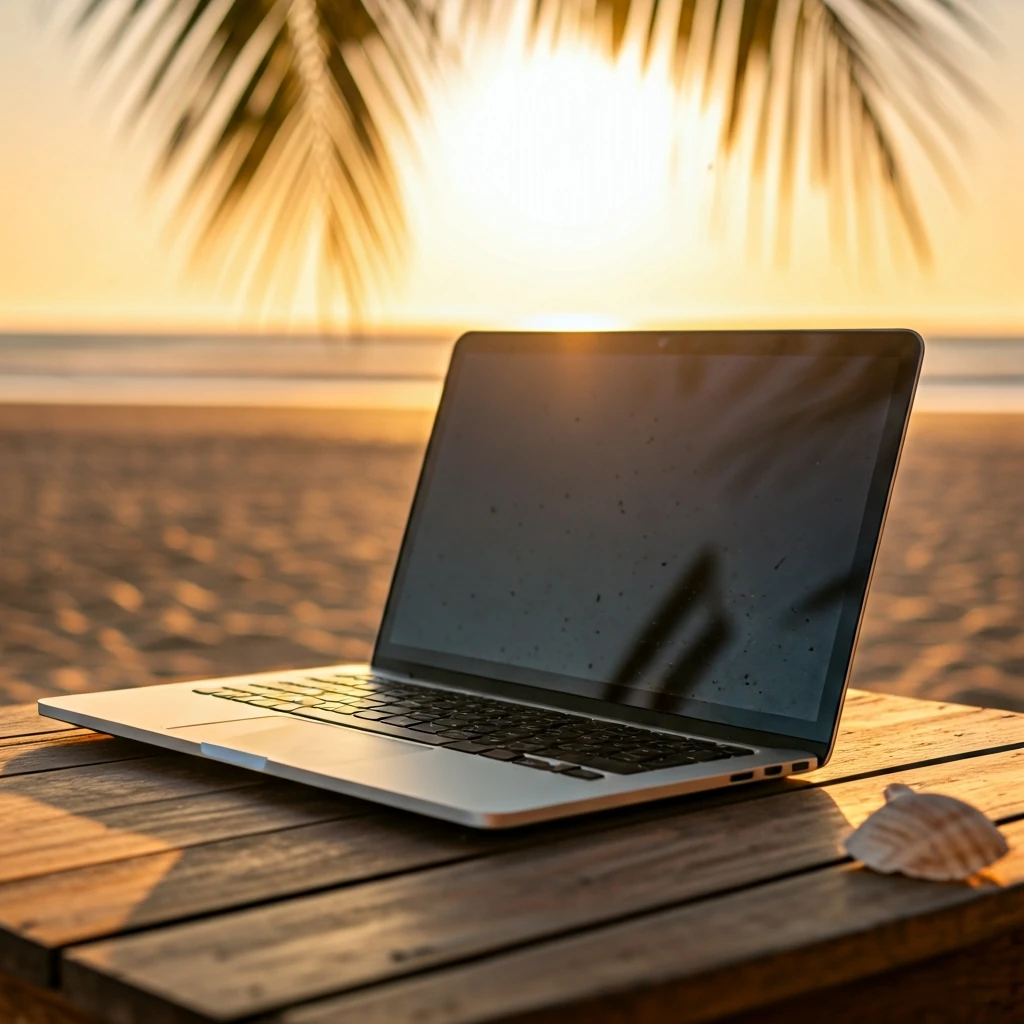
Imagine swapping your daily commute for a walk on the beach before starting your workday. The primary draw of the digital nomad lifestyle is this unique blend of work and travel, offering unparalleled freedom. It’s an opportunity to break from routine, immerse yourself in new cultures, and create a life that feels more like an adventure than a schedule.
Beyond the incredible experiences, the financial advantages are a major pull for many. With the rise of remote work, you can earn a salary from your home country while living somewhere with a much lower cost of living. This strategy can dramatically accelerate your savings goals, making it easier to focus on Saving on Everyday Expenses Abroad and build wealth faster than you might at home.
This lifestyle empowers you to design a life rich in both experiences and financial security. Smart money management, like understanding International Money Transfer Fees, becomes a crucial skill for thriving on the road. By combining a steady income with savvy strategies like Maximizing Cashback Rewards, you can achieve a form of financial freedom that allows you to truly live and work on your own terms.
| Aspect of Digital Nomad Visas | Key Consideration | Pro Tip |
|---|---|---|
| Income Requirement | Most countries require proof of stable, remote income, typically ranging from $2,000 to $5,000+ per month. | Keep clean, organized bank statements for at least 6 months prior to applying. If you’re a freelancer, have clear client contracts ready. |
| Health Insurance | Comprehensive health coverage for the duration of your stay is mandatory. Standard travel insurance is often insufficient. | Look for insurance plans specifically designed for expatriates or long-term travelers, as they meet most visa requirements. |
| Application Process | Processes vary from simple online portals (e.g., Colombia) to in-person consulate appointments (e.g., Germany). | Create a digital and physical folder for all required documents. Get official translations done well in advance to avoid delays. |
| Tax Implications | Your tax liability can be complex, depending on your citizenship, residency, and local tax treaties. | Consult with a tax advisor specializing in expatriate finances before you move to avoid double taxation and ensure compliance. |
| Choosing a Destination | Consider cost of living, internet infrastructure, community, and visa renewal options. | Spend a short period in a potential country on a tourist visa first (if rules permit) to see if the lifestyle is a good fit before committing. |
Key Requirements and Application Process for Digital Nomad Visas
So, you’re ready to trade your office cubicle for a laptop with a view. While the idea is thrilling, getting a digital nomad visa involves some important steps. Each country has its own specific set of rules, but most share common requirements designed to ensure you can support yourself while living abroad.
Understanding these common themes is the first step toward a successful application. Think of it as a universal checklist to get you started on your journey. From proving your income to securing health coverage, being prepared is your best strategy for a smooth and stress-free process.
Financial Stability: Income & Savings Proof
The most critical requirement for nearly every digital nomad visa is proving you have a stable income. Countries want to see that you can financially support yourself without needing to find work in the local economy. This is where income proof for a digital nomad visa becomes essential, typically in the form of bank statements, employment contracts, or client invoices.
Most programs set a minimum monthly or annual income threshold you must meet, which can range from modest to quite high depending on the country’s cost of living. This is why having a solid financial plan is so important. Consistently practicing Smart Budgeting for Travel not only helps you save for your adventure but also builds the financial history you need to show on your application.
Health Insurance and Safety Nets Abroad
You wouldn’t drive without car insurance, and you shouldn’t move abroad without health insurance. Host countries make this a mandatory requirement to ensure their own healthcare systems aren’t burdened by visitors. You will need to show proof of a comprehensive health insurance policy that covers you for the entire duration of your stay.
Your policy must typically include coverage for medical emergencies, hospitalization, and sometimes even repatriation. Standard travel insurance often isn’t enough; you’ll likely need a specific plan designed for long-term travelers or expatriates. This is a crucial safety net that protects both your health and your savings from unexpected medical bills.
Navigating the Application & Documentation
Once you’ve confirmed you meet the financial and insurance requirements, it’s time to tackle the paperwork. The application process itself can vary greatly, from a simple online form to an in-person appointment at a consulate. Staying organized is key to avoiding delays and potential rejection.
Choosing the Right Country for Your Journey
Before you even start filling out forms, your first step is to research which country’s visa program is the right fit for you. Consider the income requirements, visa length, potential for renewal, and local tax laws. A country with a lower cost of living might make your income stretch further, reinforcing good habits for Saving on Everyday Expenses Abroad and making it easier to meet savings goals.
Gathering All Necessary Paperwork
Precision is everything when it comes to your application packet. A single missing document can halt the entire process. While the exact list varies, most countries will ask for a standard set of documents to prove your identity, employment, and financial standing.
Be prepared to collect and, in some cases, officially translate the following items:
- Valid Passport: Ensure it has at least six months of validity beyond your intended stay.
- Proof of Remote Work: This could be an employment contract or letters from clients confirming your remote status.
- Proof of Income: Bank statements for the last several months are standard.
- Health Insurance Certificate: A document clearly stating your coverage details and duration.
- Criminal Background Check: A clean record is almost always required.
- Application Fee: Be mindful of how you pay this, as managing International Money Transfer Fees can save you money right from the start.
Top Destinations Offering Digital Nomad Visas
Deciding where to go is the most exciting part of the journey! The list of countries with digital nomad visas grows constantly, offering a fit for almost any lifestyle and budget. From bustling European capitals to serene South American landscapes, let’s explore some of the most popular remote work destinations and what makes them special.
Established Hubs and Their Perks
Certain countries have become go-to spots for remote workers, known for their solid infrastructure and welcoming communities. These established hubs often have clear requirements and a well-trodden path for newcomers, making the transition smoother for your family. Thinking about one of these destinations requires some careful financial planning, making Smart Budgeting for Travel a crucial first step.
Some of the best digital nomad countries in this category include:
- Portugal: Known for its beautiful coastline, affordable cost of living compared to other Western European nations, and straightforward visa process. The D7 and Digital Nomad visas have relatively accessible income requirements.
- Spain: Offers a vibrant culture, delicious food, and a new digital nomad visa with a reasonable income threshold. It’s an excellent choice for families looking for a mix of city life and beach relaxation.
- Germany: A great option for those seeking a central European base with excellent infrastructure and travel connections. The visa process is known for being thorough, so be prepared with all your documentation.
Emerging Markets and New Opportunities
If you’re looking for a bit more adventure or a lower cost of living, several emerging markets are rolling out the welcome mat for remote workers. These destinations can offer a unique cultural immersion and the chance for your money to go much further. This is where mastering the art of Saving on Everyday Expenses Abroad can make a huge difference to your family’s financial freedom.
Consider these exciting and more affordable options:
- Colombia: Has recently launched a digital nomad visa, attracting remote workers with its friendly culture, biodiversity, and extremely low cost of living. Cities like Medellín have become major hubs with strong Wi-Fi and co-working spaces.
- Brazil: With its stunning natural beauty and lively cities, Brazil offers a visa for digital nomads to live and work for up to a year. It’s a fantastic place to stretch your budget while enjoying an incredible lifestyle.
- Japan: A newer entry, Japan has introduced a visa for high-earning remote workers. While the cost of living is higher, it provides an opportunity to experience a unique and fascinating culture that was previously difficult for nomads to access long-term.
Mastering Your Finances as a Global Remote Worker
Transitioning to a digital nomad lifestyle involves more than just packing your bags; it requires a complete overhaul of your financial strategy. Managing money across different countries, currencies, and tax systems can be complex. However, with the right approach, you can maintain financial stability and even thrive while working from anywhere in the world.
Crafting a Realistic Global Budget
Your home budget won’t simply translate to life on the road. A successful digital nomad budget needs to be flexible and account for new, variable expenses. Start by tracking your spending for a few months to understand your habits, then create categories specific to your new lifestyle, such as visa fees, co-working spaces, travel insurance, and flights between destinations.
Use budgeting apps that can handle multiple currencies to get a clear picture of your finances. Remember to factor in a buffer for unexpected costs, like medical emergencies or last-minute travel changes. A well-planned approach, much like the principles of Smart Budgeting for Travel, will be your best tool for financial peace of mind.
Maximizing Savings and Cashback Opportunities
Being a global citizen doesn’t mean you have to give up on saving money or earning rewards. In fact, a nomadic lifestyle opens up unique avenues for financial optimization. By using the right tools and staying informed, you can significantly reduce your expenses and make your money work harder for you.
Leveraging International Bank Accounts and Cards
Traditional bank accounts can be a major drain on your finances due to high foreign transaction fees and poor exchange rates. Open a multi-currency account with a fintech provider that allows you to hold and spend money in different currencies. Pair this with a travel credit card that offers no foreign transaction fees and provides rewards on your spending, which is a key part of Maximizing Cashback Rewards.
These specialized accounts are essential for avoiding the hidden costs that can add up quickly. When you need to send money, research your options to avoid hefty International Money Transfer Fees. A little planning here can save you a significant amount over the long term.
Finding Local Deals and Discounts
One of the best ways to manage your budget is to live like a local, not a tourist. Seek out local markets for groceries instead of relying on expensive restaurants for every meal. Use public transportation, and look for local apps and websites that offer deals and coupons for activities and dining.
Engage with local and expatriate community groups on social media to get insider tips on the best deals. This approach not only helps your wallet but also enriches your travel experience by connecting you more deeply with the local culture. It’s a practical way of applying the mindset of Saving on Everyday Expenses Abroad to your new life.
Understanding Tax Implications and Financial Planning
Navigating international tax law is one of the most challenging aspects of being a digital nomad, and the rules are constantly changing. Your tax obligations will depend on your citizenship, your residency status, and the tax treaties between the countries you live in and your home country. Many digital nomad visas come with specific tax requirements or benefits.
It is strongly recommended to consult with a tax professional who specializes in expatriate and digital nomad finances. They can help you understand your obligations, avoid double taxation, and plan for retirement. Getting professional advice is a critical investment in your long-term financial health and legal compliance.
Practical Tips for a Smooth Digital Nomad Transition
Once your visa is secured, the real adventure begins. Transitioning to a digital nomad lifestyle involves more than just packing your bags; it requires careful planning to ensure your work and life run smoothly from anywhere in the world. Focusing on a few key areas can make all the difference between a stressful move and a successful new chapter.
Finding Accommodation and Building Community
Securing a place to live is your first major task. While short-term rentals on platforms like Airbnb or VRBO are great for your initial arrival, they can become expensive. For longer stays, look into local rental websites, Facebook groups for expats, or even coliving spaces, which combine accommodation with a built-in community. Planning your housing is a core part of Smart Budgeting for Travel, ensuring you don’t overspend on your biggest fixed cost.
Feeling at home is also about finding your people. Loneliness can be a real challenge, so be proactive about building a social circle. Joining a coworking space is an excellent way to meet other professionals, while apps like Meetup can connect you with locals who share your hobbies. Don’t underestimate the power of simply striking up conversations at local cafes or markets to feel more integrated.
Staying Productive and Connected Globally
Working remotely requires discipline, especially with the temptations of a new location. Establish a consistent work routine and create a dedicated workspace, even if it’s just a specific corner of your apartment. This separation helps signal to your brain when it’s time to focus and when it’s time to explore. Maintaining productivity is essential to sustaining this lifestyle long-term.
Reliable internet is the lifeline of any digital nomad. Before committing to an apartment, always run a speed test if possible. For mobile data, buying a local SIM card is almost always cheaper than international roaming plans. This simple step is a great example of Saving on Everyday Expenses Abroad and keeps you connected without surprise bills.
Finally, manage your finances wisely across borders. Be mindful of currency conversion rates and bank fees when moving money or paying for things. Understanding the nuances of International Money Transfer Fees can save you a significant amount over time, keeping more of your hard-earned money in your pocket for what truly matters.
Your Journey to Global Work-Life Freedom Awaits
Embarking on the digital nomad journey is more than a career move; it’s a profound lifestyle transformation. It’s about reclaiming your time, designing a life rich with new experiences, and achieving a unique blend of personal and financial freedom. While the process involves careful planning, from securing the right visa to mastering your global finances, the rewards are immeasurable. The world is more connected than ever, and the opportunities to live and work on your own terms have never been greater. Use this guide as your blueprint, take that first step with confidence, and get ready to turn your dream of a global life into a well-planned reality.
Frequently Asked Questions
What is the average income requirement for a digital nomad visa?
The average income requirement varies significantly by country. Some more affordable destinations like Colombia require around $700-$900 per month, while many European countries like Portugal or Spain ask for approximately $2,500-$3,000 per month. High-cost-of-living nations or those targeting high earners, like Japan, can have much higher thresholds.
Can I apply for a digital nomad visa with dependents?
Yes, many digital nomad visa programs allow you to bring dependents, such as a spouse and children. However, this almost always increases the minimum income requirement you must prove, often by 25-50% for a spouse and an additional amount for each child. You will also need to provide extra documentation, like marriage and birth certificates.
How long does it typically take to get a digital nomad visa approved?
The approval timeline for a digital nomad visa can range from a few weeks to several months. The duration depends on the country’s efficiency, whether the application is submitted online or at a consulate, and the completeness of your documentation. It is wise to apply at least 3-6 months before your planned departure date to account for potential delays.
Are digital nomad visas a path to permanent residency?
Sometimes, but not always. Some digital nomad visas, like Portugal’s, can be renewed and may eventually lead to an application for permanent residency after a set number of years. Many other visas, however, are strictly temporary and do not count towards residency or citizenship. It is crucial to research the specific rules of each country’s program.