The dream of swapping a traditional office for a beachside café or a bustling foreign city is more attainable than ever. This is the essence of the digital nomad lifestyle, a movement where professionals leverage technology to work remotely while exploring the globe. While the idea seems glamorous and expensive, the reality is that a nomadic life can be significantly more affordable than living in a major Western city—if you make strategic financial choices.
Sustaining this lifestyle requires a sharp focus on budgeting and smart savings, principles often associated with diligent home economics. It’s not about being on a perpetual vacation; it’s about building a sustainable, enriching life where your income is maximized. By choosing destinations with a low cost of living and actively seeking out savings opportunities like cashback rewards, you can transform a travel fantasy into a financially sound reality. The same discipline used for managing a family budget at home becomes your greatest asset on the road.
This guide is designed to be your financial roadmap to becoming a savvy digital nomad. We will explore the essential criteria for selecting a city that balances affordability with a high quality of life, from internet speeds to personal safety. We’ll then reveal the top cities in Southeast Asia, Latin America, and even surprising pockets of Europe where you can live well for less. Finally, we’ll dive into actionable strategies and essential apps for mastering cashback programs and smart spending, ensuring you can thrive, not just survive, on your global adventures.
Embracing the Digital Nomad Life: A Budget-Friendly Perspective
The dream of working from a laptop on a foreign shore is more accessible than ever before. This is the core of the digital nomad lifestyle, where individuals use technology to work remotely while traveling and living in different locations around the world. It combines the freedom of travel with the stability of a steady income, but succeeding requires more than just a passport and a reliable internet connection.
Making this lifestyle sustainable hinges on smart financial planning. While it sounds expensive, choosing destinations with a lower cost of living can dramatically reduce expenses compared to staying home, offering significant opportunities for remote work savings. This isn’t about constant vacationing; it’s about building a life that is both enriching and financially sound by being strategic about where you earn and spend your money.
Success as a digital nomad requires the same discipline as managing a household budget. The principles behind effective travel budgeting are very similar to those used for Budgeting for Families, focusing on tracking expenses and maximizing every dollar. By applying smart saving techniques, such as earning cashback on everyday purchases, you can stretch your income further and make your travel dreams a long-term reality.
Essential Criteria for Choosing Your Next Digital Nomad Hub
Picking the right city is about more than just finding a cheap flight; it’s the foundation of your entire remote work experience. Just as with effective Budgeting for Families, making a smart choice upfront sets you up for long-term success and financial well-being. The ideal location offers a perfect blend of affordability, modern conveniences, and a lifestyle that truly excites you, allowing you to work efficiently while enjoying your surroundings.
Before you pack your bags, it’s crucial to evaluate potential destinations against a set of core criteria. These factors will determine not only your monthly expenses but also your daily happiness and productivity. Considering these elements carefully helps you avoid common pitfalls and ensures your new home base supports your professional and personal goals.
Balancing Cost of Living with Quality of Life
The most significant factor for many is the cost of living abroad, which directly impacts how far your income can stretch. This includes everything from monthly rent and utility bills to the price of groceries and public transport. A lower cost of living means your savings go further, and the cashback you earn on purchases has a greater impact on your overall budget.
However, affordability is only half of the equation. A low-cost city with a poor quality of life is no bargain. You must also consider factors like personal safety for remote workers, the friendliness of the local community, access to healthcare, and the availability of leisure activities. The goal is to find a place where you feel comfortable, secure, and inspired, not just a location where you can save a few dollars.
Think about what makes you happy and productive. Do you thrive in a bustling metropolis with endless cafes, or do you prefer a quieter town close to nature? Researching the local culture, food scene, and social opportunities is just as important as creating a spreadsheet of potential expenses.
Connectivity and Infrastructure: A Nomad’s Priority
For any digital nomad, reliable and fast internet is a non-negotiable utility. Your ability to work depends entirely on your connection, so researching internet speed for nomads in your target cities is a critical first step. Look for places known for their robust fiber-optic networks and widespread Wi-Fi availability in cafes, co-working spaces, and apartments.
Beyond the digital realm, physical infrastructure plays a huge role in your day-to-day life. Consider the quality and cost of public transportation, the prevalence of co-working spaces for when you need a dedicated office, and the accessibility of modern amenities. The presence of well-stocked supermarkets and online delivery services that accept digital payments also makes it easier to manage expenses and earn cashback on daily spending.
| City | Region | Key Benefit | Top Savings Tip |
|---|---|---|---|
| Chiang Mai, Thailand | Southeast Asia | Extremely low cost of living | Use Grab app for food/transport rewards. |
| Bali, Indonesia | Southeast Asia | Vibrant expat community & lifestyle | Leverage Gojek/Grab for delivery and payment points. |
| Medellín, Colombia | Latin America | ‘Eternal Spring’ climate & innovation | Utilize the Rappi app for frequent discounts on deliveries. |
| Mexico City, Mexico | Latin America | Big city culture on a budget | Shop at local ‘mercados’ and use supermarket loyalty programs. |
| Lisbon, Portugal | Europe | Affordable Western European capital | Use supermarket loyalty cards (e.g., Pingo Doce) and TheFork app for dining deals. |
Top Global Cities Where Digital Nomads Thrive and Save
Choosing the right city is about more than just a good internet connection; it’s about finding a place where your money goes further without sacrificing quality of life. The best cities for digital nomads blend affordability with a rich cultural experience, creating the perfect environment to work and explore. These destinations offer a low cost of living, welcoming communities, and plenty of opportunities to make your savings work even harder through local deals and digital payment rewards.
Southeast Asia: Budget Paradises with Rich Culture
For decades, Southeast Asia has been a magnet for travelers seeking adventure on a shoestring budget, and it has evolved into a premier destination for remote workers. The combination of incredibly low living costs, delicious food, and friendly locals makes it an easy choice. In many of these cities, digital infrastructure is surprisingly robust, making it simple to stay connected while enjoying a paradise-like setting.
Chiang Mai, Thailand: Low Costs, High Value
Chiang Mai is often considered the original hub for digital nomads, and for good reason. The city offers an exceptional quality of life for a fraction of the cost of Western cities, with modern apartments, countless cafes with reliable Wi-Fi, and a vibrant expatriate community. The local culture is rich and accessible, from ancient temples to bustling night markets filled with incredible street food that can cost just a few dollars per meal.
Savings are built into the Chiang Mai lifestyle. Beyond the low rent and food costs, you can leverage technology for extra benefits. Food and transport apps like Grab are widely used and often feature points systems or promotions that act like cashback opportunities abroad. Using a travel-friendly credit card for larger purchases at malls or supermarkets like Big C can also help you accumulate rewards while managing your expenses effectively.
Bali, Indonesia: Island Life on a Budget
The Indonesian island of Bali offers a unique blend of spiritual retreat, surf culture, and entrepreneurial energy. Areas like Canggu and Ubud are packed with co-working spaces, yoga studios, and healthy cafes, catering directly to the remote work community. While it can be a place to splurge, it’s also one of the most affordable digital nomad destinations if you live like a local by eating at warungs (small family-owned eateries) and shopping at local markets.
To maximize savings, lean into the local digital economy. Apps like Gojek and Grab are essential for everything from scooter taxis to food delivery and even paying bills, all of which often include a rewards component. Many local businesses, especially in tourist-heavy areas, accept credit cards, allowing you to earn cashback on co-working memberships, groceries, and social outings. This makes it easier to stick to a plan, an important skill covered in our guides on Budgeting for Families.
Latin America: Vibrant Hubs for Every Budget
Latin America presents a tapestry of diverse cultures, stunning landscapes, and energetic cities that have become hotspots for remote workers. With favorable exchange rates against the dollar and euro, many locations offer a high standard of living for less. From the mountains of Colombia to the bustling streets of Mexico, you can find a community that fits your pace and budget.
Medellín, Colombia: Innovation and Affordability
Once known for a troubled past, Medellín has transformed into a city of innovation, earning it a top spot among cost-effective remote work locations. Nicknamed the “City of Eternal Spring” for its perfect weather, it boasts a modern metro system, beautiful green spaces, and a welcoming population. The cost of living is remarkably low, especially for high-quality housing in safe, popular neighborhoods like El Poblado or Laureles.
Daily savings are easy to find, with affordable “menú del día” lunch specials providing a full meal for just a few dollars. The delivery app Rappi is a dominant force in the city, and its premium service or frequent promotions can lead to significant savings on groceries and restaurant orders. By using a combination of cash for small purchases and a rewards credit card for larger ones, you can optimize your spending and easily track your budget.
Mexico City, Mexico: Diverse Experiences, Smart Spending
As one of the largest cities in the world, Mexico City offers an endless variety of experiences, from world-class museums and historic ruins to a cutting-edge culinary scene. For digital nomads, its appeal lies in its diversity; you can live a high-end lifestyle in neighborhoods like Condesa or find incredibly affordable options in other safe, well-connected areas. The city is a vibrant hub of activity with a surprisingly low cost of living for a major global capital.
Navigating this metropolis affordably is part of the adventure. The extensive metro system is one of the cheapest in the world, making it easy to get around. For groceries, shopping at local “mercados” is cost-effective, while large supermarket chains like Soriana and Chedraui have loyalty programs and accept international credit cards for cashback. Ride-sharing and food delivery apps are also competitive, often offering discounts to frequent users.
Europe: Unexpected Pockets of Affordability
While Europe is often associated with high costs, it’s home to several cities that offer a fantastic lifestyle without breaking the bank. These destinations provide the charm and history the continent is known for but with a much more manageable price tag. They are becoming increasingly popular with digital nomads seeking a European base with a strong community and excellent infrastructure.
Lisbon, Portugal: Charming City, Growing Nomad Scene
Lisbon has exploded in popularity as a remote work destination, captivating visitors with its historic trams, beautiful tiled buildings, and coastal atmosphere. Despite its growth, it remains one of Western Europe’s most affordable capitals. The city is walkable, has excellent public transportation, and boasts a thriving food scene where you can enjoy fresh seafood and local wine affordably.
Smart savings here mirror strategies you might use at home, like those found in our guides on Maximizing Coupon Savings. Supermarket chains like Pingo Doce and Continente have robust loyalty card programs that offer direct discounts and buildable credits. Additionally, using apps like TheFork to book restaurants can provide significant discounts on your bill. By combining these local deals with a good travel rewards card, you can enjoy the best of Lisbon while keeping your budget firmly in check.
Mastering Cashback and Savings Strategies While Traveling
While specific deals vary by city, the core principles of smart saving remain the same wherever you go. Building a solid financial strategy is key to making your nomadic lifestyle sustainable and rewarding. By combining global tools with local knowledge, you can stretch your budget further without sacrificing experiences.
Leveraging Local and International Cashback Programs
Many popular cashback apps for travel, like Rakuten, have international versions, but their best offers are often concentrated in North America and Europe. To truly maximize your returns, you need to dig into the local scene. Before you arrive in a new country, a quick search for “[Country Name] cashback app” or “[City Name] deals app” can reveal platforms specifically designed for that region.
These local apps are fantastic for everyday purchases like groceries, coffee, and transportation. They operate on the same principles you might be familiar with from Maximizing Coupon Savings at home, but are tailored to local merchants. This hyper-local approach ensures you’re getting relevant deals instead of scrolling through offers that don’t apply.
Once you identify the top local apps, create a system to manage them. Signing up for multiple services can clog your inbox, so consider using a separate email address just for shopping and rewards programs. This keeps your primary communication channels clear while ensuring you never miss a deal notification for earning rewards abroad.
Smart Spending: Credit Cards, Debit Cards, and Payment Apps
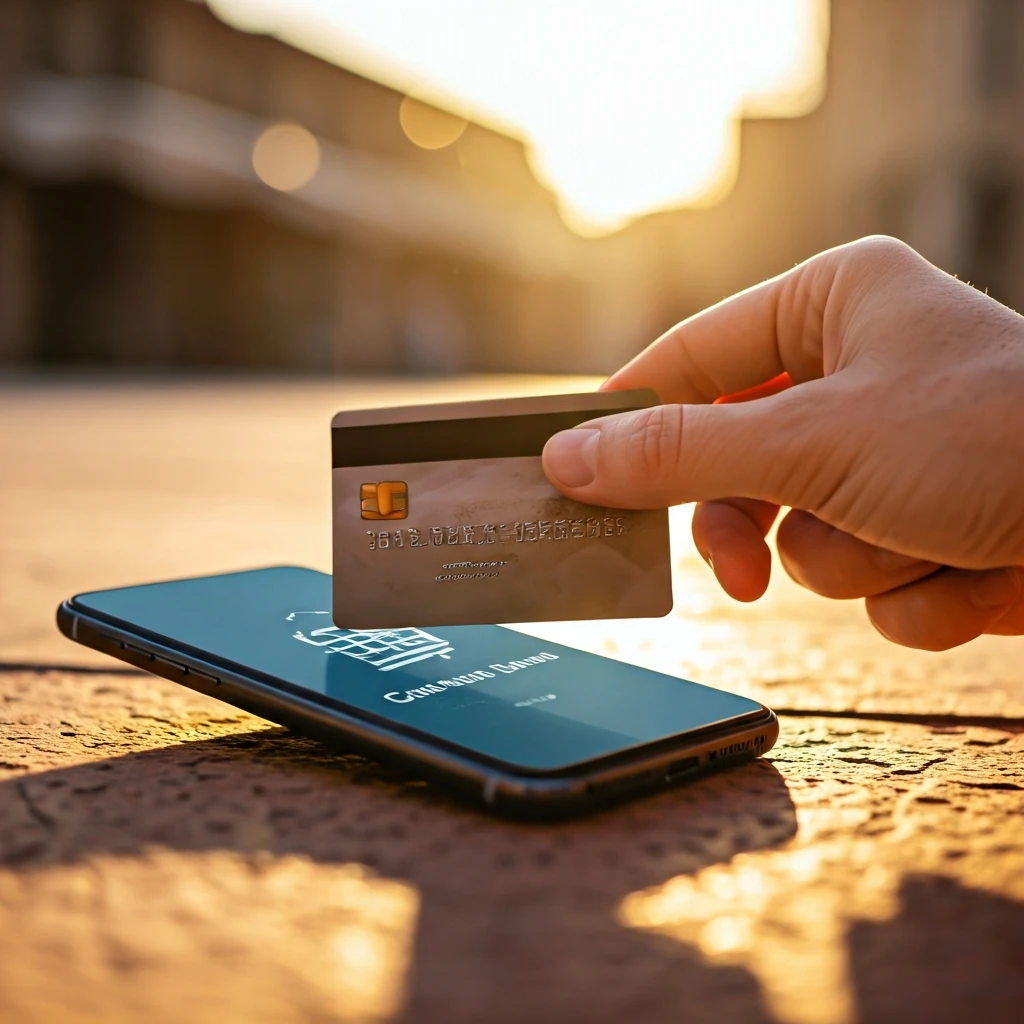
Your wallet is your most powerful savings tool, and choosing the right cards is critical. Prioritize travel credit cards that have no foreign transaction fees, as these charges can add up to a significant amount over time. Look for cards that offer high reward rates on categories where you spend the most, such as dining and travel, to constantly earn points or cash back on your expenses.
Your approach to spending abroad should be as carefully planned as your overall financial plan, much like you would approach Budgeting for Families. For cash withdrawals, use a debit card from a bank that reimburses international ATM fees. This single move can save you a substantial amount of money, as out-of-network and international fees can be steep.
Finally, embrace modern digital nomad budgeting tools like multi-currency accounts from services such as Wise or Revolut. These platforms allow you to hold money in different currencies and spend like a local, often providing much better exchange rates than traditional banks. When paying with any card, always choose to be billed in the local currency to avoid poor exchange rates set by the merchant’s bank.
Essential Tools and Apps for the Savvy Digital Nomad
Beyond a multi-currency bank account, a solid suite of digital nomad apps is crucial for managing your finances. Start with a robust budgeting tool like Mint or YNAB to track your spending across different categories and currencies. Think of it as applying the same smart principles from Budgeting for Families, but adapted for a life on the move, giving you a clear picture of where your money is going.
For handling international payments and transfers, apps like Wise (formerly TransferWise) are indispensable for money management for remote workers. These platforms offer transparent, low fees and real exchange rates, saving you a significant amount compared to traditional bank wires. They are perfect for receiving client payments or sending money between your own accounts without losing value to hidden charges.
Don’t forget about finding deals on the ground. While your go-to cashback site might not work everywhere, many regions have local equivalents for discounts and rewards. Before you arrive, research popular deal apps in your destination city, which can help you save on everything from dining to activities, much like Maximizing Coupon Savings at your local grocery store back home.
Your Journey to Smart Nomadism Starts Now
Becoming a successful digital nomad is less about escaping reality and more about redesigning it with financial intelligence. As we’ve explored, the key to a sustainable life of travel and work lies in a powerful combination: choosing the right destination and mastering the art of smart spending. Cities like Chiang Mai, Medellín, and Lisbon prove that a high quality of life doesn’t have to come with a high price tag. By balancing cost, infrastructure, and culture, you can find a place that supports both your professional goals and your personal well-being.
Ultimately, the principles that lead to financial success at home are the same ones that will guide you abroad. Leveraging local cashback apps, using fee-free travel cards, and tracking your expenses with budgeting tools are the building blocks of a rewarding nomadic experience. The world is full of affordable, vibrant communities waiting to be explored. With careful planning and a strategic approach to your finances, you can stop dreaming and start living your global adventure.
Frequently Asked Questions
How can digital nomads find the best cashback deals in a new country?
To find the best cashback deals, start by researching local savings apps with a search like “cashback app in [Country]”. Complement this by using a travel credit card that offers no foreign transaction fees and high reward rates on dining or travel. Also, be sure to sign up for loyalty programs at major local supermarket chains, which often provide direct discounts and points on everyday purchases.
What are the most budget-friendly regions for digital nomads right now?
Currently, Southeast Asia and Latin America are the most budget-friendly regions for digital nomads. Countries like Thailand and Indonesia in Southeast Asia, and Colombia and Mexico in Latin America, offer a very low cost of living, excellent infrastructure, and vibrant communities. Additionally, certain parts of Eastern and Southern Europe, such as Portugal, provide affordable options for those seeking a European base.
Is it possible to maintain a family budget while being a digital nomad?
Yes, it is entirely possible to maintain a family budget as a digital nomad by applying the same financial discipline you would at home. Success hinges on choosing affordable locations, meticulously tracking all expenses with budgeting apps, and actively seeking savings on housing, food, and activities. This approach allows a family to enjoy the benefits of world travel while adhering to a sustainable financial plan.